Comparison: Oil vs Water Hydraulic Maintenance Cycles
Oil-based hydraulic maintenance focuses on fluid replacement and filter care, while water-based cycles target system flushing. Choose oil changes for routine health and water flushing for contamination recovery. The right cycle depends on machine duty and history.
- Oil maintenance cycles control wear and heat in normal operation
- Water flushing cycles remove built up contamination and varnish
- Use water flushing after major repairs or contamination events
- Match cycle length to machine duty and fluid condition
- Track fluid samples to adjust intervals instead of using fixed dates
Hydraulic systems fail when fluid degrades or when debris stays in the circuit. Two common cleaning approaches address these problems: oil maintenance and water-based flushing. Both serve different functions in a machine lifecycle.
Oil maintenance keeps the working fluid in good condition. It manages heat, corrosion, and fine particles. Water flushing removes material that oil changes alone cannot clear out.
The choice between them depends on the machine history. A unit with clean fluid needs regular oil service. A unit with varnish or water contamination needs a flush first.
What does oil maintenance actually do?
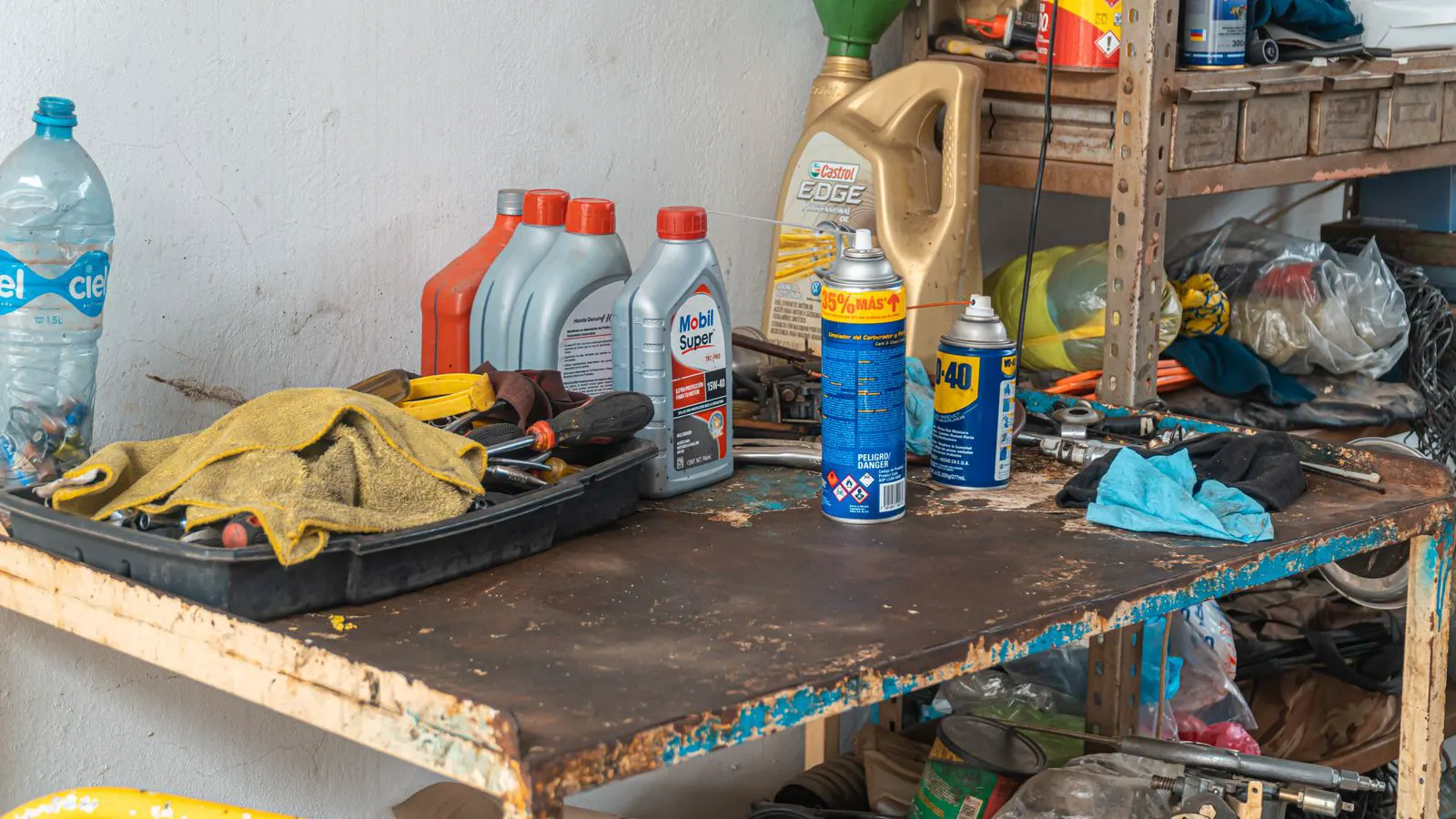
Oil maintenance is the baseline for hydraulic health. It replaces fluid that has lost its protective additives. It removes particles that have settled in the reservoir.
Typical oil service includes draining the tank, replacing the main filter, and checking the cooler. Some machines also have case drain filters. These catch leakage from pumps and cylinders.
Fluid breaks down from heat and oxidation. Additives burn off. Moisture builds up. This changes the fluid chemistry.
If you ignore oil maintenance, sludge forms on valve spools. Wear increases on pump vane and piston surfaces. The system loses pressure and responds slowly.
Most OEMs recommend oil changes based on operating hours. Heavy duty units may need changes every 250 to 500 hours. Light duty units may last longer.
What does water-based flushing do?
Water flushing is a more aggressive cleaning method. It uses water, sometimes with a surfactant, to strip material from lines, valves, and the pump.
The process usually involves connecting a flush line to the tank inlet. The pump circulates the water through the circuit. Debris comes out in the tank.
Water is good at dissolving varnish and breaking up oil films. It can remove material that has built up inside the pump housing. It also helps reveal worn parts after cleaning.
There is a risk, though. Water and oil do not mix. If you do not dry the system properly after flushing, you get a two phase fluid problem. This causes rapid corrosion and seal failure.
The flush must be followed by a thorough drain and drying step. Some technicians use nitrogen gas to push water out of the lines. Others run the system with a dry fluid until the tank water content drops.
Oil versus water: direct comparison
| Option | Best for | Limitations |
| Oil maintenance | Routine service and wear control | Does not remove heavy contamination |
| Water flushing | Removing varnish and debris after faults | Requires drying and risks corrosion |
| Filter replacement | Removing suspended particles | Does not clean internal surfaces |
| Fluid sampling | Detecting contamination trends | Cost and lab access required |
| Cooler service | Managing heat and fluid breakdown | Does not address internal damage |
Oil maintenance is a maintenance task. Water flushing is a repair or restoration task. They are not interchangeable.
When should you choose oil changes?
Use oil changes for normal operation. This keeps the system protected and responsive.
Choose this cycle when the machine runs clean. The fluid color is clear. The filter element is not clogged. The tank has no free water.
This is the most common scenario for excavators, loaders, and haulers. The operator sees no issues. The machine responds well.
The goal is to keep wear down. The fluid carries heat away from the pump. It lubricates the spool valves. It protects the seals from dry rubbing.
If you extend oil change intervals, you risk fluid breakdown. Additives burn off. The fluid becomes acidic. This attacks the metal parts.
A good practice is to take fluid samples at the end of each oil change interval. This tells you if the next interval should be shorter or longer.
When should you use water flushing?
Use water flushing when the system is dirty. This happens after a major repair, a fluid leak, or a long period of inactivity.
It also helps after a pump replacement. The new pump may pick up debris from the old circuit. A flush cleans the lines before the pump runs.
Water flushing is useful when oil changes are not enough. You see dark fluid. You hear noise from the pump. The valves stick. The machine has lost pressure.
In these cases, oil changes just dilute the problem. You need to remove the material first.
The flush process can take time. You may need multiple cycles. The water comes out dirty at first. You keep cycling until it runs clear.
After the flush, you must drain the system completely. Then you fill it with fresh oil. The system should be checked for leaks before returning to service.
How do you set the right frequency?
There is no one size fits all answer for hydraulic maintenance frequency. It depends on duty cycle and operating conditions.
A machine that runs 20 hours a day in dusty conditions needs more frequent service. A machine that idles in a clean shop needs less.
Start with the OEM recommendation. Then adjust based on fluid condition. If your samples show high particle counts, shorten the interval. If the fluid looks clean and the filters are not clogged, you may extend the interval.
Water flushing does not have a fixed schedule. It is event based. You do it when the system needs it.
Keep records. Note the hours, the date, the reason for service, and the fluid condition. This helps you predict when the next problem will happen.
Common mistakes to avoid
The biggest mistake is treating oil changes as a cure for contamination. They are not.
Another is skipping the drying step after a water flush. This causes immediate corrosion problems.
Some technicians use water flushing too often. This wears seals and introduces moisture. It is not a routine service.
Ignoring cooler service is another error. If the cooler is clogged, the oil gets hot. Hot oil breaks down fast. This shortens the life of the fluid and the parts.
Finally, using the wrong oil grade is a problem. The viscosity must match the machine and the temperature range. Too thick and the system is hard to start. Too thin and the seals wear.
How to combine both approaches
The best maintenance plan uses both methods. Oil maintenance keeps the system healthy. Water flushing handles problems when they arise.
Think of it like this. Oil changes are your daily check. Water flushing is your tune up after a long road trip.
Set your oil change interval based on hours and samples. Keep a log of fluid condition. When the fluid looks bad or the machine acts up, plan a flush.
After the flush, run the oil maintenance cycle as normal. The system is clean. The new oil will protect it for the next interval.
This combination gives you the best balance. You avoid breakdowns. You extend part life. You keep the machine available for work.
Practical checklist for your fleet
- Check fluid level and condition at every shift
- Replace the main filter every oil change
- Take fluid samples at regular intervals
- Inspect the cooler for dirt and blockage
- Plan water flushing after major repairs
- Dry the system thoroughly after flushing
- Use the correct oil grade for your machine
- Keep a maintenance log with hours and dates
- Train operators to spot leaks and noise
- Review fluid samples to adjust service intervals
This checklist covers both oil and water based maintenance. It helps you keep the system in good shape.
Hydraulic maintenance is not just about pouring fluid. It is about understanding the system. It is about knowing when to clean and when to replace.
Use oil maintenance for routine health. Use water flushing for recovery. Get the balance right and your machines will run longer and with fewer problems.
Frequently asked questions
Can I use water flushing instead of oil changes?
No. Water flushing removes contamination but does not provide the lubrication and heat protection that oil gives. You still need oil maintenance after a flush.
How often should I flush a hydraulic system?
There is no fixed schedule. Flush the system after major repairs, when contamination is detected, or when the machine shows signs of internal wear.
What is the main risk of water flushing?
The main risk is leaving water in the system. This causes corrosion and seal failure. You must drain and dry the system completely after flushing.
Does oil maintenance remove debris?
Oil maintenance removes suspended particles through the filters. It does not remove material that has built up on internal surfaces.
How do I know if my fluid needs a flush?
Look for dark fluid, noise from the pump, sticking valves, or loss of pressure. Fluid samples can also show high contamination levels.