Cost and Lead Time: Importing Hydraulic Pump Assemblies
Hydraulic pump import costs depend on freight, duties, and transit routing. Lead times stretch from weeks to months based on origin and shipping method. A clear RFQ and fair quote comparison reduce delays and avoid surprise charges that disrupt fleet operations.
- Total import cost includes freight, insurance, duties, and local handling, not just the part price.
- Lead time is driven by origin distance, shipping mode, and customs clearance speed.
- A precise RFQ with part numbers and specifications prevents back-and-forth delays.
- Compare quotes on total landed cost and delivery reliability, not sticker price alone.
- Track shipments with customs brokers to avoid port storage fees and project delays.
Why Pump Imports Cost More Than the Tag Price
A hydraulic pump replacement often looks like a single line item on a purchase order. In practice, the final invoice includes several layers of cost that appear only after the part crosses borders. The manufacturer price covers the pump body, shafts, valves, and seals. The landed cost adds ocean or air freight, marine insurance, port handling, customs duties, and inland trucking to the worksite.
Construction equipment operators sometimes budget only for the part and discover the final price exceeds the original estimate. This gap matters when a pump failure stops a crew. A tracked excavator or load hauler can generate significant revenue per shift. Every day of delay costs money beyond the part itself.
The cost structure changes depending on whether the pump arrives via sea or air. Sea freight is cheaper per ton but slower. Air freight is faster but expensive, often reserved for critical stops where downtime costs outweigh freight premiums.
What Drives the Price of a Hydraulic Pump Import
Several variables move the final number. The first is the part itself. OEM pumps command higher prices than aftermarket units, and certified remanufactured units sit between the two. The second is the shipping mode. A pump shipped by container across an ocean adds weeks and lower freight. The same pump shipped by air freight arrives in days but at a much higher rate.
The third driver is origin. Shipping from a nearby manufacturing hub shortens transit and reduces carrier risk. Long-haul routes add fuel surcharges, port congestion risks, and longer customs queues. The fourth is commodity classification. Hydraulics may fall under specific tariff codes that carry higher duty rates than standard mechanical parts.
The fifth factor is packaging. Pumps are dense and sometimes irregular. Poor packaging increases volumetric weight calculations for air freight and risks damage during handling.
How Lead Time Changes by Route and Mode
Delivery timelines stretch further than most buyers expect. A pump from a regional supplier might arrive in five to ten days. A pump from a distant manufacturing region can take four to eight weeks by sea. Air freight compresses this to one to three days, but only if the part is ready to ship.
Customs clearance adds another layer. Incomplete documentation can hold a shipment at the port for days. A missing part number, wrong HS code, or missing invoice copy can trigger inspection. Inspections add days and sometimes storage fees.
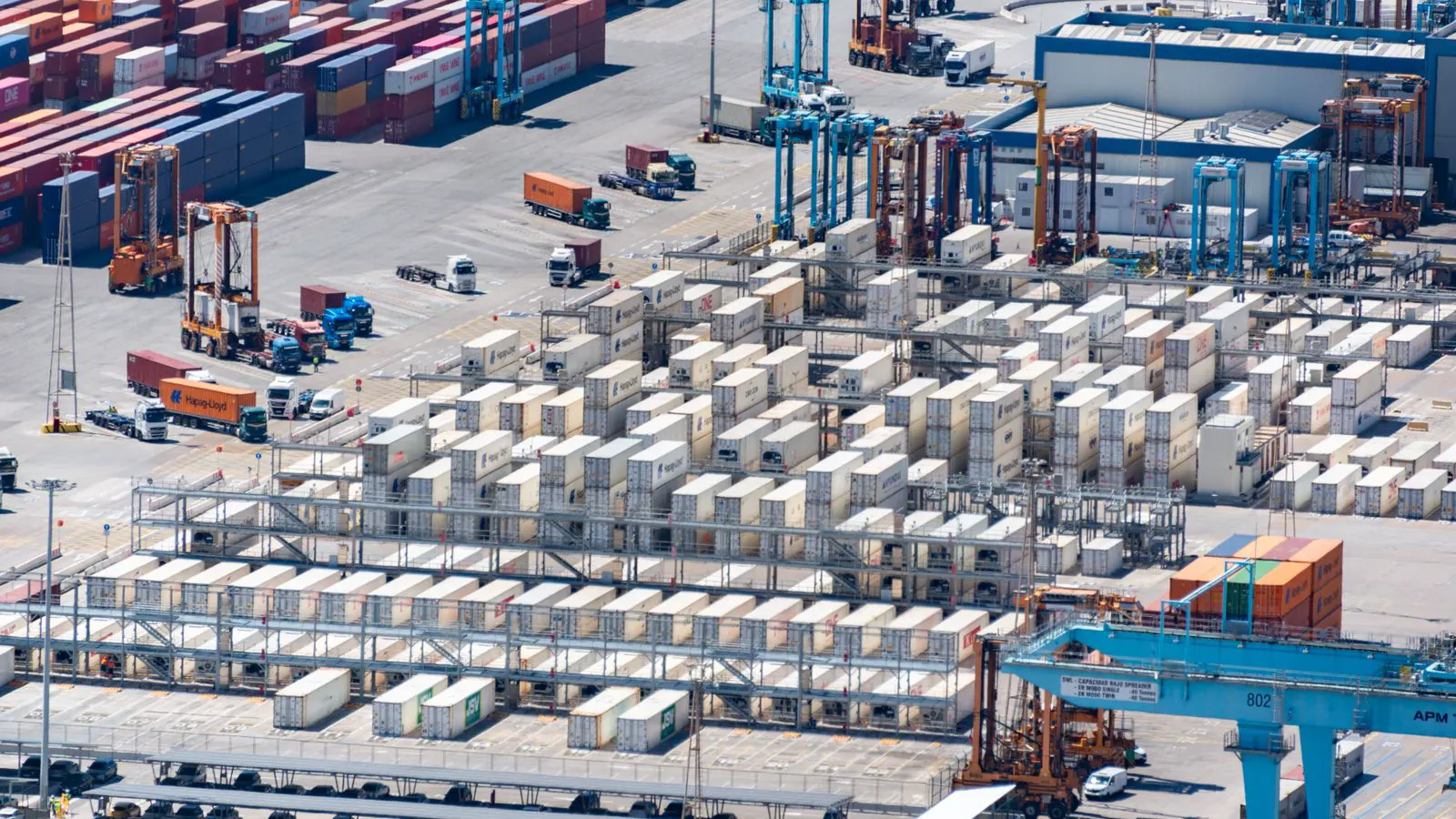
The mode of transport also affects reliability. Container shipping depends on port schedules. A delayed vessel or a congested terminal extends the timeline. Rail and road segments add their own variables. A pump that clears customs on Monday may still sit in a bonded warehouse until the customer’s yard is ready to receive it.
How to Write a Clear RFQ for Faster Quotes
A vague request for a hydraulic pump generates slow, inaccurate quotes. The RFQ should include the machine model, serial number, and the exact pump part number from the service manual. If the part number is unavailable, provide the pump displacement in milliliters per revolution, the bore size, and the shaft type.
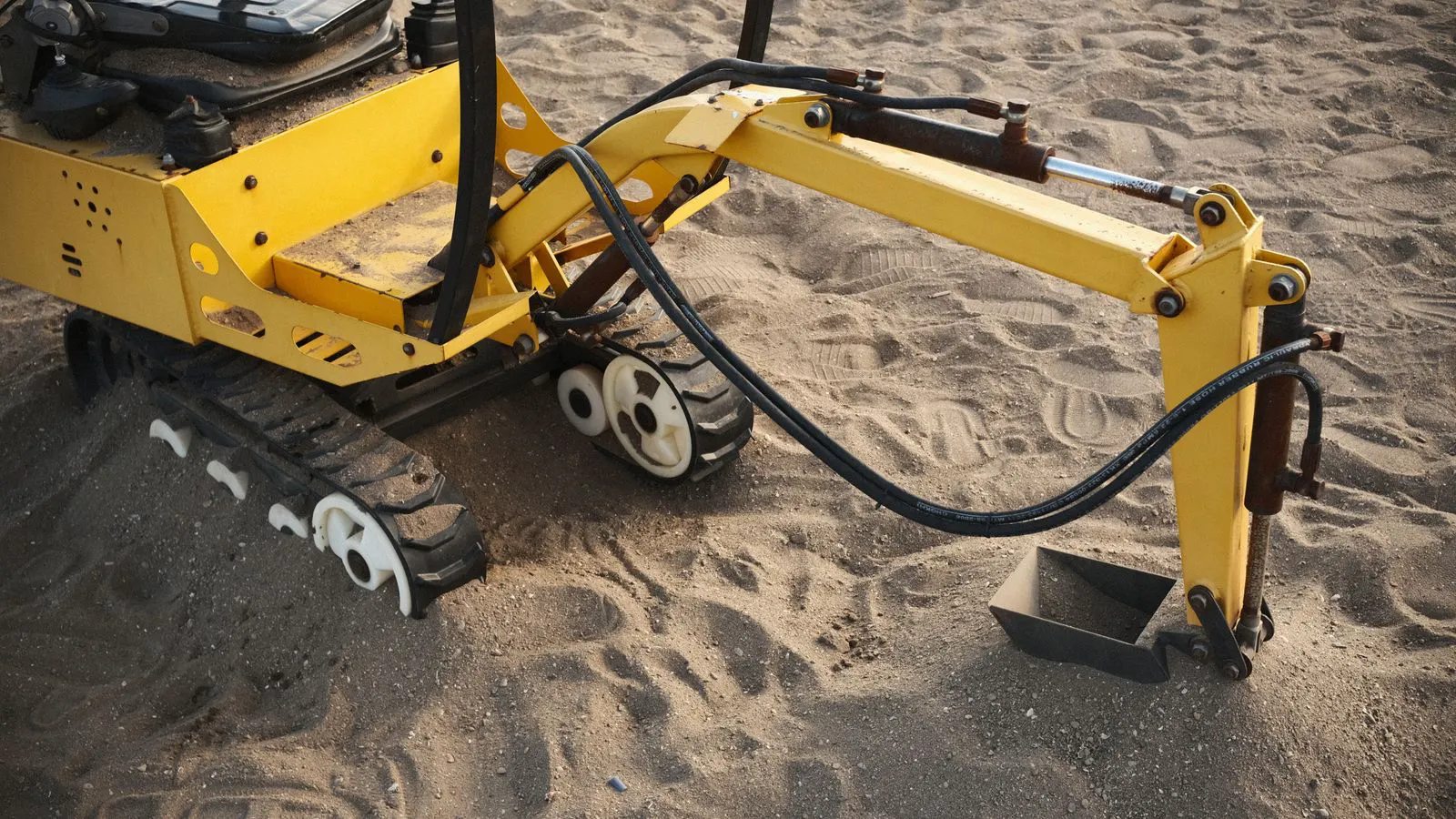
Include the application context. A pump for a crawler excavator boom circuit behaves differently from one for a load hauler dump gate. The operating pressure, flow rate, and duty cycle affect which pump type fits.
State the required delivery date. If the pump must be on the machine by a specific date, say so. Add the destination address and the preferred incoterms, such as FOB, CIF, or DDP. FOB means the seller handles export; the buyer handles shipping and duties. DDP means the seller delivers duty-paid to the destination.
List the required documentation. Commercial invoice, packing list, certificate of origin, and any material test reports. Ask for a quote that breaks out freight, insurance, duties, and local handling. Without this breakdown, you cannot compare quotes fairly.
How to Compare Quotes Fairly
Two quotes for the same hydraulic pump can look identical on the part price. The difference appears in the delivery terms. One quote may offer DDP pricing with a long lead time. Another may offer FOB pricing with a shorter transit window but higher local handling risk.
Compare the total landed cost. Add freight, insurance, duties, and any port fees to the part price. A cheaper pump from a distant origin may cost more once freight and duties are included. A more expensive pump from a nearby supplier may arrive faster and with lower risk.
Check the delivery reliability. Ask about the carrier, the transit route, and the expected customs processing time. A supplier who ships weekly to your region may be more reliable than one who ships monthly. Ask for past transit records if the supplier has them.
Review the warranty terms. Some aftermarket pumps carry shorter warranties than OEM units. If the pump fails in the field, who covers the cost of a replacement and the labor to install it? A longer warranty may offset a higher part price.
A Table of Cost Drivers and Their Impact
| Cost Driver | Typical Impact | What to Check |
|---|---|---|
| Freight Mode | Air freight costs several times sea freight | Confirm transit days and fuel surcharges |
| Origin Distance | Longer routes add time and carrier risk | Ask for the port of origin and destination |
| Customs Duties | Rates vary by tariff classification and country | Verify the HS code and duty rate |
| Packaging | Poor packaging raises volumetric weight and damage risk | Confirm crate type and weight dimensions |
| Local Handling | Port fees and inland trucking add hidden costs | Ask for a full landed cost breakdown |
| Currency Fluctuation | Exchange rates change between quote and payment | Agree on currency and payment terms |
How to Reduce Risk and Avoid Delays
The most common mistake is waiting until a pump failure to start the import process. By then, the delivery date is fixed by the machine’s downtime window, not by the supplier’s schedule. Ordering a backup hydraulic pump for critical machines reduces emergency pressure.
Another mistake is assuming the shipper knows the local customs rules. Hire a customs broker who specializes in construction machinery parts. They can pre-clear documentation and flag issues before the shipment arrives.
Track the shipment. Use the carrier’s tracking number and the broker’s status updates. If a delay appears, contact the supplier immediately. Early intervention can reroute the part or arrange a local source if the original shipment is stuck.
Keep records. Save the RFQ, the quote, the packing list, and the customs entry. If the pump fails shortly after installation, these documents support the warranty claim. Without them, the supplier may deny coverage.
What to Do If the Quote or Timeline Is Wrong
Sometimes the first quote is wrong. The part may be out of stock, the freight rate may have changed, or the duty rate may be higher than expected. Do not accept a revised quote without asking why the number moved. A reasonable supplier explains the change clearly.
If the timeline is too long, ask for alternatives. A similar pump from a different manufacturer may fit the circuit. A remanufactured unit with a longer warranty may be available faster. A local distributor may have the part in stock.
If the cost is too high, negotiate the terms. Ask for DDP instead of FOB to simplify logistics. Ask for a fixed freight rate that does not change with fuel surcharges. Ask for a delivery guarantee with a penalty if the part arrives late.
A hydraulic pump is not a commodity. It is a precision component that controls the machine’s power. The import process reflects that. Clear requirements, fair comparison, and early planning turn a high-stakes replacement into a manageable part of the maintenance cycle.
Frequently asked questions
What is the most common reason for delayed hydraulic pump imports?
Incomplete customs documentation causes the most frequent delays. Missing part numbers, incorrect HS codes, or missing invoices trigger inspections at the port.
Should I choose air freight for a hydraulic pump replacement?
Air freight makes sense when the machine is a critical asset and downtime costs exceed the freight premium. For non-critical machines, sea freight is usually more cost-effective.
What should I include in my RFQ to get accurate quotes?
Include the machine model, serial number, pump part number, displacement, bore size, shaft type, application context, delivery date, destination address, and required documentation.
How do I compare two quotes for the same hydraulic pump?
Calculate the total landed cost by adding freight, insurance, duties, and local handling to the part price. Compare delivery timelines and warranty terms before choosing.
Can I get a lower price by importing from a distant manufacturer?
A distant manufacturer may offer a lower part price, but freight, duties, and handling can erase the savings. Always compare the total cost, not just the sticker price.