Troubleshooting: Excavator Track Splay and Alignment
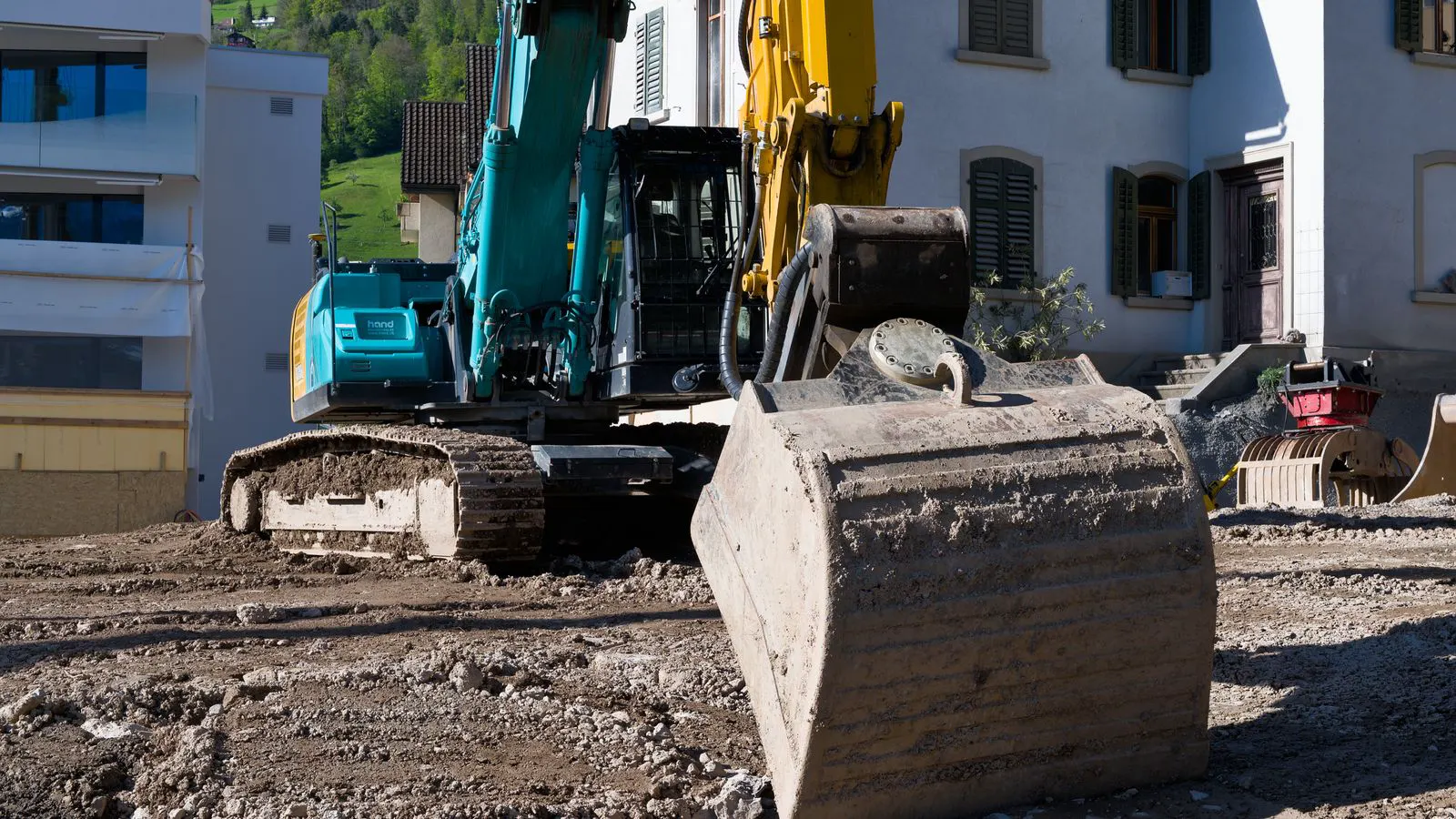
Uneven track wear and splay indicate loose links, misaligned rollers, or damaged sprockets. Correcting excavator track alignment involves checking tension, inspecting rollers, and replacing worn parts. Regular undercarriage maintenance prevents costly structural damage and extends machine life.
- Track splay is a visible sign of uneven wear that signals immediate inspection needs.
- Uneven tension between left and right tracks accelerates wear on rollers and frames.
- Proper undercarriage maintenance requires consistent tension checks and part replacement.
- Early detection of alignment issues prevents expensive frame and chassis repairs.
Excavator track alignment directly impacts machine stability, operator comfort, and the lifespan of the undercarriage assembly. When tracks wear unevenly, the machine pulls to one side during travel and digging. This condition, often called track splay, forces the structure to work against itself. It leads to premature wear on rollers, idlers, and sprockets. A properly aligned undercarriage distributes load evenly across the ground surface. The hydraulic system and engine work more efficiently. The operator can maintain better control over the bucket and boom. Neglecting alignment often results in a cascading failure where one small wear issue triggers damage to more expensive components.
What symptoms indicate track splay or misalignment?
Track splay appears as a visible gap or angle between the track and the frame. The left and right tracks no longer run parallel to the chassis. You can spot this while the machine is on level ground. The tracks may look like a “V” shape when viewed from the rear. This visual cue is the most immediate sign that the undercarriage geometry has shifted.
| Symptom | Likely cause | What to do |
|---|---|---|
| Visible gap between track and frame at the rear | Loose track links or worn sprocket teeth | Inspect sprocket teeth and replace worn links or sprockets. |
| Machine pulls to one side during travel | Uneven track tension or damaged roller bearings | Adjust track tension and check roller bearings for play. |
| Uneven wear on the left or right track | Misaligned idler or roller shaft | Realine the idler or replace the worn roller assembly. |
| Excessive noise from the undercarriage | Worn bushings or loose pins | Lubricate pins and replace worn bushings. |
| Track bouncing or walking off the sprocket | Incorrect tension or worn drive sprocket | Re-tension the track and inspect the drive sprocket teeth. |
If you notice these symptoms, stop heavy work. Continue digging or traveling with a misaligned track can damage the final drive gears. It can also bend the frame rails. The repair cost for a bent frame is significantly higher than replacing a few rollers or adjusting tension. A bent frame often requires cutting and welding, which compromises the structural integrity of the chassis. It is a major expense that extends downtime well beyond a simple parts replacement.
How do you diagnose the root cause of uneven wear?
Start with a visual inspection. Park the machine on a level surface. Lower the boom and attachments to the ground. Walk around the undercarriage. Look for obvious gaps between the track and the frame. Check the wear on the track shoes. The inner and outer edges should wear evenly. If one edge is worn down faster, the track is likely out of alignment.
Check the track tension next. Lift the rear of the machine slightly if safe to do so. Measure the slack in the track at the bottom of the run. The manual specifies the correct slack. A general rule is that the slack should be equal to the width of a track link. If one side has more slack than the other, the tension is uneven. Uneven tension causes the tighter side to bear more load. This accelerates wear on the rollers and pins on that specific side.
Inspect the rollers. Rollers rotate freely on their shafts. Place a pry bar or wrench on the roller and try to wiggle it. If it moves more than a few millimeters, the bushing is worn. Worn bushings cause the roller to sit lower or higher than it should. This changes the track path. A roller that sits too low pushes the track outward. A roller that sits too high allows the track to sag inward. Both conditions contribute to splay.
Look at the idlers. The idlers guide the top of the track. If the idler is misaligned, it pulls the track off center. Check the idler shaft for play. If it moves, the bearing is worn. A worn idler bearing can cause the track to splay outward. The idler also acts as a tensioner. If it is not seated correctly in its frame mounting, it cannot maintain consistent pressure on the upper run.
How do you correct excavator track alignment?
Correcting alignment requires a systematic approach. First, relieve the track tension. Loosen the tensioning bolts on the rear frame. This allows the track to move freely. If the tension is too tight, it puts stress on the final drive. If it is too loose, the track may skip on the sprocket. You need to find the balance point specified in the operator manual.
Next, replace any visibly damaged parts. If the sprocket teeth are hooked or worn, replace the sprocket. Worn sprocket teeth wear the track links unevenly. The teeth act as the driving force for the track. If they are damaged, the drive force becomes erratic. This causes the track to jump or slide during acceleration. If a roller is damaged, replace the entire assembly. Do not try to repair a cracked roller housing. The housing holds the bushing and shaft in precise alignment. A crack changes that geometry and leads to immediate failure.
After replacing parts, re-tension the track. Tighten the bolts evenly. Do not over-tighten one side. Over-tightening can warp the frame. Adjust the tension on both sides to the same level. Run the machine at low speed in a straight line. Watch the tracks. They should run parallel to the frame. If they do not, re-check the tension and inspect the final drive.
If the machine still pulls to one side, check the final drive. A worn final drive gear can cause the track to run at a different speed. This creates a pulling effect. If the gears are worn, replace them. This is a major repair. It often requires lowering the machine and removing the drive units. The final drive gears mesh with the sprocket teeth. If the mesh is worn, the track cannot maintain consistent speed. The machine will pull toward the side with the tighter or faster track.
What role does undercarriage maintenance play in prevention?
Prevention is cheaper than repair. Establish a routine inspection schedule. Check track tension at the start of each shift. Look for signs of wear. Clean the undercarriage. Mud and debris can hide damage. They also increase friction. Mud packed around the rollers creates a barrier that prevents proper lubrication. It adds weight and drag to the moving parts.
Lubricate the pins and bushings. Use the correct grease. Follow the manufacturer’s interval. Dry bushings wear out quickly. They cause rollers and idlers to sit at the wrong height. This leads to splay. The grease must be the right viscosity for the operating temperature. Too thin a grease washes out. Too thick a grease can cause overheating in the pins.
Rotate the tracks if the machine allows it. Some excavators have reversible tracks. Rotating them helps distribute wear. If the tracks are not reversible, focus on keeping tension even. Uneven tension is the most common cause of splay. Operators can influence tension by how they dig. Aggressive digging on one side can stretch the track on that side.
Train operators to notice changes. An operator who feels the machine pulling to one side should report it immediately. Do not ignore a pulling tendency. It is an early warning sign. The operator is the first line of defense. They feel the machine in ways that a visual inspection cannot detect. A slight vibration or a change in the feel of the controls indicates that the undercarriage is under stress.
How do you prevent track splay in the long term?
Long-term prevention requires discipline. Keep the machine on level ground when possible. Avoid sharp turns at high speed. Sharp turns stress the undercarriage. They can bend the frame rails. The undercarriage is designed to handle linear travel and moderate turning. Sharp, high-speed turns apply lateral forces that exceed the design limits of the frame rails.
Use the correct attachments. Heavy attachments change the load on the machine. If you switch from a standard bucket to a heavy crusher, re-check the track tension. The extra weight can pull the tracks out of alignment. The weight of the attachment also changes the center of gravity. This shifts the load distribution on the tracks. A heavier attachment on one side can cause the track on that side to sit lower.
Store the machine correctly. When the excavator is not in use, lower the attachments. Do not leave the machine on a slope for long periods. Gravity can pull the tracks out of alignment. A machine left on a slope for days or weeks can develop a permanent splay. The tracks will slide down the slope, stretching one side and compressing the other.
Keep records. Note the date of any track repair. Record which parts were replaced. If the same area wears out repeatedly, there may be a hidden issue. Check the frame for cracks or bends. A hidden crack in a frame rail can widen over time. This changes the geometry of the undercarriage. The tracks will no longer sit in the correct position relative to the chassis.
When should you call a professional?
Some alignment issues are easy to fix. Tension adjustments and minor part replacements can be done by the operator or a site mechanic. Others require specialized tools. If the final drive gears are worn, a professional is needed. If the frame is bent, a repair shop is required. The final drive and frame are complex structural components. They require specific tools and techniques to repair safely.
Do not attempt to straighten a bent frame. Bending metal weakens it. It can snap under load. If you see cracks in the frame rails, stop work. Call a qualified technician. They can assess the damage and determine if the machine is safe to operate. A cracked frame rail is a critical safety hazard. The machine may fail catastrophically under load. The risk to the operator and the surrounding site is too high to ignore.
Track alignment is a simple concept. It takes practice to diagnose. Start with the basics. Check tension. Look for wear. Listen for noise. If the machine runs smooth and the tracks look even, you are on the right track. Regular maintenance and quick attention to small issues keep the undercarriage in good shape. It saves money and keeps the machine in service.
Frequently asked questions
How often should I check excavator track alignment?
Check track alignment at the start of each shift. Look for visible gaps, uneven wear, and tension changes. Report any pulling to one side immediately.
Can I fix track splay myself?
You can fix minor issues like tension adjustment and replacing a few rollers. If the frame is bent or the final drive is worn, call a professional.
What causes one track to wear faster than the other?
Uneven tension, a worn idler, or a misaligned roller are common causes. Check the tension on both sides and inspect the rollers for play.
How do I know if the sprocket is worn?
Look at the teeth. If they are hooked, thin, or uneven, the sprocket is worn. A worn sprocket will wear the track links unevenly.
Can I ignore a slight pulling tendency?
No. A slight pull is an early warning sign. It will get worse over time. Fix it before it causes major damage.