Hybrid Excavators: Market Trends and Adoption
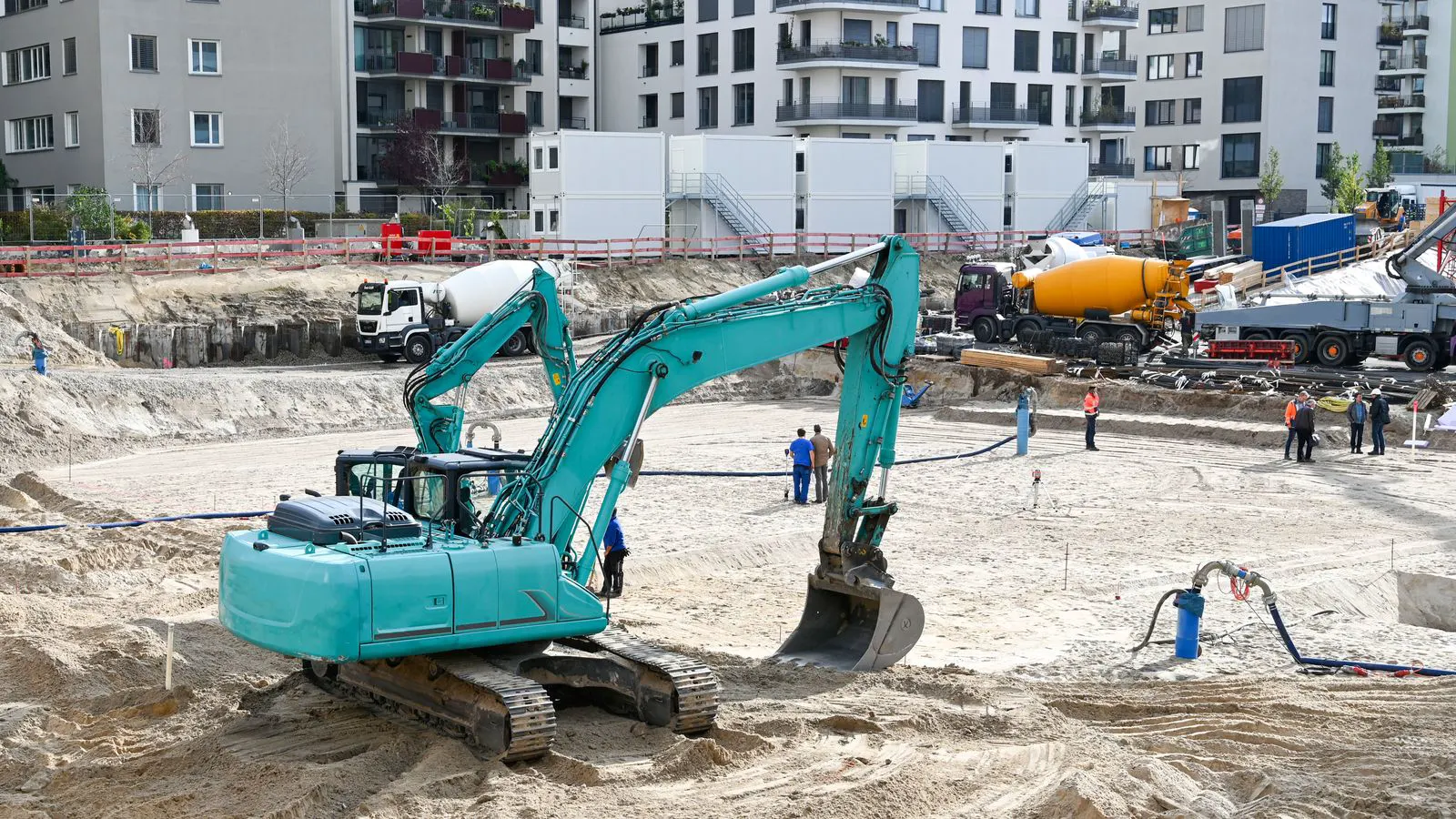
Hybrid excavators are gaining traction in urban and fuel-sensitive sites. Buyers should plan for battery integration, regenerative braking, and operator training. This guide outlines five shifts in adoption and practical preparation steps.
- Hybrid excavators shift power from diesel to battery and electric motors, changing maintenance routines and fuel costs.
- Urban and fuel-sensitive sites are driving adoption, with buyers weighing upfront cost against long-term savings.
- Operators need retraining to manage regenerative braking and power distribution.
- Fleet managers must evaluate charging infrastructure and battery replacement costs before purchase.
- Maintenance teams should plan for hybrid-specific diagnostics and electrical safety checks.
Why hybrid excavators are gaining attention
Hybrid excavators replace or supplement the diesel engine with a battery and electric motor. The machine still performs excavation, lifting, and digging, but the power delivery changes. Diesel power remains available for heavy tasks, while the battery handles low-speed operations and idling. This split reduces fuel use and emissions in specific work conditions.
The shift matters for buyers who operate in cities, near residential areas, or on sites with strict noise and emission rules. Hybrid systems also lower idling costs. An excavator idling for ten minutes uses fuel and wears the engine. A hybrid can run on stored battery power during those idle periods.
Adoption is not uniform. Some regions move faster than others due to local regulations and fuel prices. Buyers need to look past the label and understand how the hybrid system fits their actual work cycle.
Five shifts buyers should plan for
1. Maintenance changes from oil and filters to electrical checks
Traditional excavator maintenance focuses on engine oil, air filters, hydraulic fluid, and coolant. Hybrid excavators add electrical components. Battery packs, power electronics, and inverter systems require their own checks.
Battery health monitoring is a new routine. Technicians must inspect connector integrity, check for corrosion, and verify cooling systems. Battery thermal management is critical. Overheating reduces life and creates safety risks. Undercooled packs also perform poorly in hot climates.
Maintenance teams should expect longer service intervals for the diesel engine if the hybrid system handles low-load tasks. However, the electrical system may need more frequent attention. A single bad connector can cause the machine to enter a fault mode and shut down.
2. Operator training expands to power management
Operators used to diesel excavators manage throttle, hydraulic pressure, and engine load. Hybrid operators must also manage battery state of charge and power distribution. Regenerative braking captures energy during lower work. This energy returns to the battery. Operators need to understand when the system is using the battery versus the engine.
Training should cover fault codes, battery indicators, and safe shutdown procedures. Electrical systems carry high voltage. Operators must know where the main disconnect is located and when to call a technician.
A common mistake is ignoring battery warnings. An operator who sees a low battery light and continues heavy work can drain the pack below safe levels. This forces a longer charge cycle and may reduce long-term battery life.
3. Fuel cost savings depend on the work cycle
Hybrid excavators save fuel when they idle or move slowly. They save less when they run at high engine load for long periods. A site that requires constant digging at full power sees smaller savings. A site with frequent stops, repositioning, and waiting sees larger savings.
Buyers should track their current fuel consumption for two to three months. Record idle time, travel distance, and load cycles. Use this data to model expected savings. If the work cycle is heavily loaded, a hybrid may not pay back its higher purchase price quickly.
4. Charging infrastructure becomes a site requirement
Hybrid excavators need charging. Some models can be charged by the diesel engine while idling. Others require external power. External charging changes site planning. Buyers need to assess electrical capacity at the work site.
A typical hybrid excavator battery may require several hours of charging from a standard outlet. Fast charging reduces downtime but increases electrical demand. Site managers should talk to utility providers early. Upgrading a service can cost more than expected and take months.
Portable battery swapping is another approach. Some fleets use exchangeable battery packs. This adds storage space and handling equipment but reduces charging time. It also requires a charging station that can cycle through multiple packs.
5. Battery replacement and end of life planning
Battery packs have a finite life. Most last several years of operation, but the exact duration depends on duty cycle, climate, and maintenance. A battery in a hot desert environment wears faster than one in a cool climate.
Buyers should ask about warranty coverage and replacement costs. Some manufacturers offer extended warranties. Others treat batteries as consumables. The replacement cost can be a significant percentage of the machine purchase price.
End of life planning matters. Battery packs contain materials that require proper disposal or recycling. Some regions have strict rules. Buyers should ask the dealer or manufacturer about take-back programs.
How to evaluate a hybrid excavator purchase
When comparing models, look beyond the headline fuel savings. Ask the dealer for a duty cycle analysis. Provide them with your typical workday. They should model the expected fuel use and battery wear.
Check the service network. If the nearest technician is two hours away, a fault can halt your operation for a full day. A local service center with hybrid training reduces risk.
Inspect the electrical components. Look at the battery pack size, cooling system, and power electronics. A larger battery may increase cost but also extends the period between charges. A better cooling system may add weight but improves reliability in hot weather.
Table: Hybrid vs Diesel Excavator Comparison
| Factor | Diesel Excavator | Hybrid Excavator |
|---|---|---|
| Power source | Diesel engine | Diesel engine plus battery and electric motor |
| Idle fuel use | Continuous fuel burn | Reduced or zero fuel burn during low-load idle |
| Maintenance focus | Engine oil, filters, hydraulic fluid | Adds battery health, electrical connectors, cooling |
| Operator training | Standard throttle and hydraulic control | Adds battery management and fault code awareness |
| Site infrastructure | Fuel storage and refueling | Charging or battery swap capability |
| Best fit | High-load continuous digging | Urban, fuel-sensitive, or high-idle work cycles |
Preparing your fleet for hybrid adoption
Step one: Audit your current fleet
List each excavator by age, hours, and work location. Mark the machines that spend the most time idling or moving slowly. These are the best candidates for hybrid replacement.
Step two: Map the work cycle
For each candidate site, log a full day of operations. Note fuel stops, idle periods, and heavy digging blocks. This data helps you understand where a hybrid system saves the most.
Step three: Talk to the dealer
Ask for a written duty cycle analysis. Request a breakdown of expected fuel savings by year. Ask about battery warranty and replacement cost. Get service response times in writing.
Step four: Train the operator
Schedule training before the machine arrives. Cover battery indicators, regenerative braking, and electrical safety. Have the operator practice with the machine on a controlled site.
Step five: Plan the charging
Determine where charging will happen. Check the electrical panel capacity. If needed, order a dedicated circuit. For battery swap models, plan storage and handling.
Common mistakes to avoid
Buying a hybrid because of the label alone. A hybrid is a tool, not a badge. If your work cycle is 90 percent heavy digging, the savings may be small.
Ignoring electrical safety. High voltage is dangerous. Never attempt to open a battery pack yourself. Only trained technicians should work on the electrical system.
Assuming the dealer can service it. Some dealers handle diesel only. Confirm they have hybrid training and diagnostic tools before signing the purchase order.
Not planning for charging. A machine that cannot charge is a machine that cannot work. Secure power before the delivery date.
What to expect in the next few years
Hybrid technology is moving toward higher battery density and faster charging. Expect smaller batteries to deliver the same runtime. Expect faster charge times to reduce downtime.
Manufacturers are also improving the integration between the diesel engine and the electric system. The goal is to make the hybrid system feel like a single power unit. Operators should not think of it as two machines in one.
The market will continue to split. Some buyers will go hybrid for urban and fuel-sensitive work. Others will stick with diesel for continuous heavy digging. A few will move to full electric in controlled environments where charging is easy.
The key is to match the power system to the work. A hybrid excavator is not a universal upgrade. It is a specific solution for a specific set of conditions.
Final preparation checklist
- Review your fuel logs for the last six months.
- Identify sites with high idle time or low-load cycles.
- Contact two local dealers for hybrid service capabilities.
- Request a written duty cycle analysis for your top candidate site.
- Check your electrical panel capacity for charging.
- Schedule operator training for the first month of operation.
- Ask the manufacturer about battery warranty and replacement terms.
- Confirm service response times in the purchase contract.
Hybrid excavators are not a trend that will pass. They are a power option that fits certain jobs. The adoption outlook is steady. Buyers who plan carefully will get more value from the technology. Those who buy on impulse will find the savings smaller than expected. The difference is in the preparation.
Frequently asked questions
Do hybrid excavators save fuel on all sites?
No. Savings are largest on sites with high idle time, frequent stops, and low-load cycles. Continuous heavy digging at full engine power produces smaller savings.
How much does a hybrid excavator cost more than a diesel model?
The price difference varies by model and configuration. Battery size and charging equipment add cost. Ask the dealer for a written comparison before deciding.
Can I run a hybrid excavator without charging?
Yes, the diesel engine can power the machine. However, without charging, the battery will not recover energy from regenerative braking, and fuel savings will be reduced.
What training do operators need for a hybrid excavator?
Operators need training on battery indicators, regenerative braking, fault codes, and electrical safety. They should know where the main disconnect is and when to call a technician.
How often do battery packs need replacement?
Battery life depends on duty cycle, climate, and maintenance. Most packs last several years, but the exact duration varies. Ask the manufacturer for warranty terms and replacement cost estimates.