Buyer's Guide to Choosing Concrete Finishing Machines
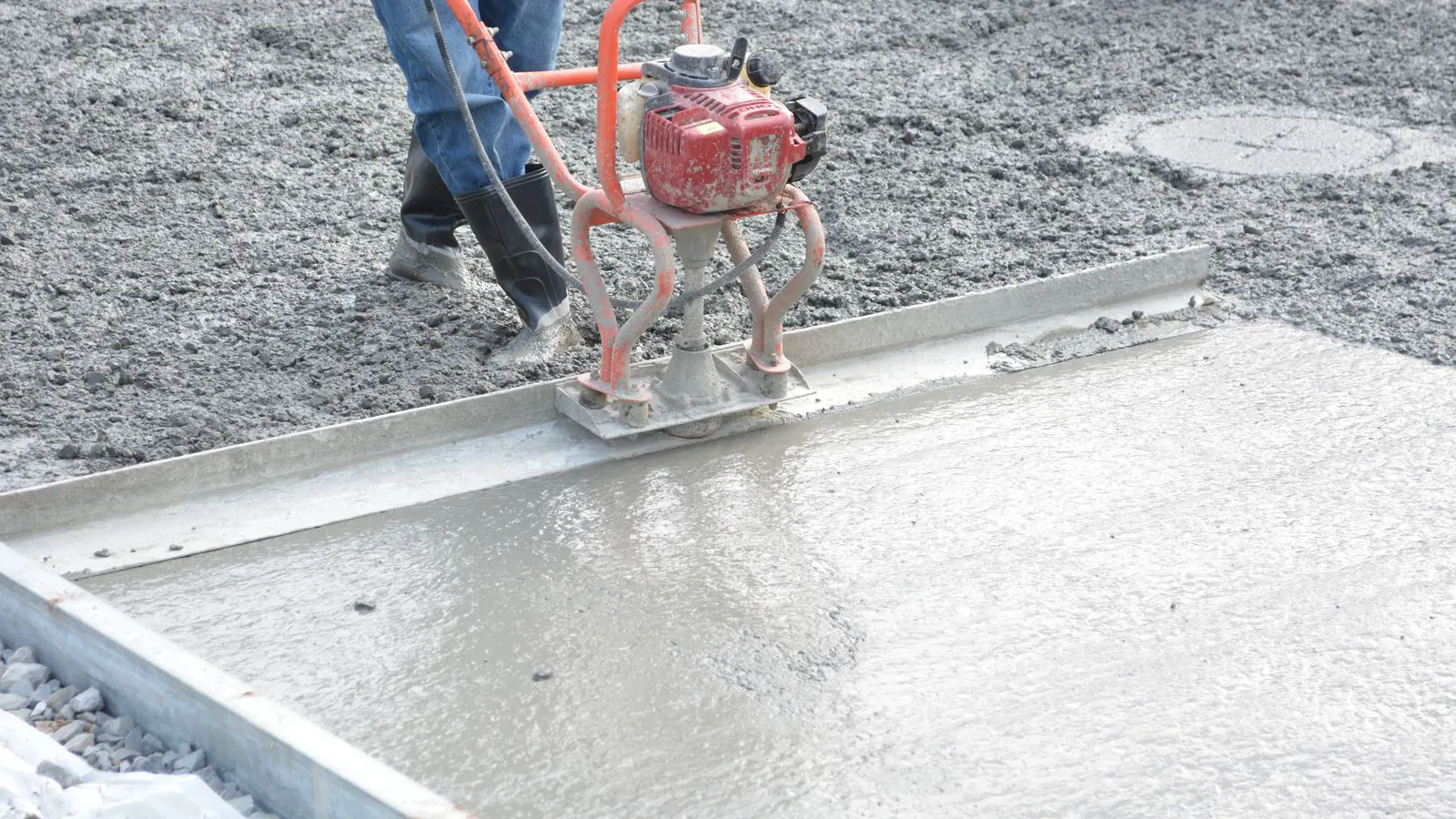
Selecting the right concrete finishing tools requires matching power source, surface type, and job volume. This guide provides a framework for evaluating power options, machine types, and operational costs to ensure durable, high-quality results.
- Match the power source to job duration and site access.
- Evaluate machine type based on surface geometry and access constraints.
- Prioritize serviceability and spare parts availability over minor speed gains.
- Test equipment on small sections before committing to full-scale use.
- Calculate total cost of ownership, not just the initial purchase price.
Define the Job Requirements First
Concrete finishing is the final stage of slab construction. The goal is to achieve a uniform, workable surface before the concrete sets. The right machine depends on the slab size, the presence of reinforcement, and the final use of the surface. A floor that will host heavy machinery needs a denser surface than one that will hold light office traffic.
Procurement managers should start with a site survey. Measure the area to be finished. Note the thickness of the concrete. Identify the location of columns, rebar, and utility penetrations. These details determine the machine footprint and the operator’s path. A large area with few interruptions favors a larger drum or a walk-behind model. A small, congested area demands a compact, maneuverable unit.
Consider the timeline. Some projects require finishing a slab within hours of placement. Others allow for a longer cure before finishing. If the team must work through the night or in extreme heat, the machine must handle sustained loads without overheating. This requirement often drives the choice between battery, gas, or electric power.
Match the Power Source to Site Constraints
Power selection is the first major decision. Each option has distinct trade-offs for the operator and the site logistics.
Electric corded machines offer consistent power and low maintenance. They require a nearby power source. If the slab is far from a generator or a site outlet, the cord limits the operator’s reach. Long extension cords create tripping hazards and add weight. Use corded units for small, accessible areas with reliable power.
Gas-powered machines are self-contained. They run on propane or gasoline. They offer freedom of movement but require fuel management. Operators must carry fuel cans and ensure safe storage. Gas machines produce exhaust fumes. Indoor or enclosed spaces require ventilation or a different power source. They are heavier and noisier than electric units. The engine adds maintenance burden. Oil changes and spark plug replacements become part of the routine.
Battery-powered machines are gaining ground. Modern packs deliver high torque and quiet operation. The key constraint is runtime. A large slab may require two or three battery swaps. This downtime affects the crew’s workflow. Battery packs are heavy. They must be stored properly to maintain capacity. Check the charging time. A slow charger can stall the finishing process. Battery machines are ideal for medium-sized jobs with reliable charging infrastructure.
Choose the Machine Type for the Surface
The geometry of the slab dictates the machine shape. Flat, open areas suit larger machines. Tight spaces and small slabs require compact tools.
Walk-behind trowels have two drums. The operator walks behind the unit. These machines cover ground quickly. They work best on wide slabs. The operator controls speed and pressure. The wide footprint leaves a smoother finish because the drums overlap. However, the machine is hard to turn in corners. It cannot reach tight spaces near walls or columns.
Single-drum trowels are compact. The operator rides a seat or a handle. They turn tightly. They fit in small rooms and around obstacles. The operator must make multiple passes to cover the area. This increases the time per square meter. Single-drum units are preferred for parking lots, small garages, and confined interior spaces.
Power trowels and bull floaters serve different functions. A bull float is used early in the placement process to level the surface. A power trowel is used later to polish and seal the surface. Procurement teams must distinguish between these tools. They are not interchangeable. A bull float creates a smooth bed. A power trowel creates a durable, sealed finish. Buying the wrong tool leads to rework and surface defects.
Evaluate Machine Specifications and Build Quality
Specifications tell you what a machine can do. Build quality tells you how long it will last.
Check the drum size. Larger drums smooth more area per pass. Smaller drums offer better control. The drum material matters. Steel drums are durable but heavy. Aluminum drums are lighter but wear faster. The drum teeth should be replaceable. Worn teeth leave grooves in the concrete.
Examine the motor and engine. Look for a rated horsepower that matches the concrete strength. Underpowered machines stall under load. Overpowered machines waste energy and add weight. The transmission should handle the torque needed to spin the drums through setting concrete.
Inspect the frame and handle. The frame must be rigid. It should not vibrate or warp under load. The handle should be adjustable. Operators of different heights need comfortable reach. Poor handle design causes fatigue. Fatigued operators make errors.
Check the safety features. Guard covers prevent debris from hitting the operator. Emergency stops shut down the machine quickly. These features are non-negotiable. They protect the crew and reduce liability.
Consider Operator Skill and Training
The machine is only as good as the person operating it. Concrete finishing is a skill. It requires feel and timing.
New operators struggle with power trowels. They may apply too much pressure, creating cracks. They may move too slowly, dragging the drums into the surface. They may miss spots. Experienced operators can read the concrete. They know when to speed up and when to slow down.
Provide training. Let operators run the machine on a small test area. Show them how to adjust the pressure. Demonstrate the turn patterns. Explain how to handle the transitions between passes. A short training session reduces defects and speeds up the crew.
Consider the crew’s experience level. If the team has little experience, choose a machine with forgiving controls. A machine that is easy to learn reduces the risk of damage. If the team is experienced, a machine with higher performance and faster cycle times may be worth the investment.
Weigh Total Cost of Ownership
The purchase price is only part of the equation. Total cost of ownership includes fuel, maintenance, parts, and labor.
Calculate the fuel cost per square meter. Gas machines consume more power per hour. Electric machines draw from the site grid. Battery machines require charging time. Each option affects the hourly cost of the job.
List the maintenance tasks. Oil changes, belt replacements, and spark plug swaps take time and money. Electric machines have fewer moving parts. They need less routine service. Battery machines need battery replacement every few years. Budget for this cost.
Check the parts availability. If a drum or motor fails, how fast can you get a replacement? A machine that sits in a shop for two weeks costs money. Choose equipment with common parts that local dealers stock.
| Criterion | What to look for | Why it matters |
|---|---|---|
| Power Source | Access to outlets, fuel storage, battery charging time | Determines operational range and downtime |
| Machine Type | Drum size, turn radius, footprint | Matches slab geometry and access constraints |
| Build Quality | Frame rigidity, drum material, handle adjustability | Affects operator fatigue and machine lifespan |
| Serviceability | Parts availability, maintenance interval | Reduces downtime and repair costs |
| Total Cost | Fuel, labor, parts, battery replacement | Determines the true cost per project |
Final Decision Checklist
Before signing the purchase order, run through this checklist.
- Confirm the slab size and geometry. Does the machine fit the space?
- Check the power source. Is there reliable power, fuel storage, or charging access?
- Review the build quality. Is the frame rigid and are the handles adjustable?
- Verify parts availability. Can local suppliers source replacement drums and motors quickly?
- Plan the training. Has the crew practiced on a small section?
- Calculate the total cost. Have you included fuel, maintenance, and battery replacement?
- Inspect the safety features. Are the guards and emergency stops in place?
If you check all boxes, you are ready to buy. If any box is empty, go back and reassess. A well-matched machine delivers a smooth surface and a profitable job. A poorly matched machine creates defects and delays. The selection process takes time, but it pays off in every square meter finished.
Frequently asked questions
Can I use a single-drum trowel on a large parking lot?
Yes, but it takes longer than a walk-behind trowel. The operator must make many passes to cover the area, which increases labor costs and extends the finishing window.
What is the difference between a bull float and a power trowel?
A bull float levels the concrete early in the placement process. A power trowel polishes and seals the surface later. They serve different stages of the concrete curing process.
How often do battery packs need replacing?
Battery packs degrade over time. The replacement interval depends on usage and storage conditions. Plan for replacement every few years of regular use.
Is a gas machine suitable for indoor finishing?
No. Gas machines produce exhaust fumes. Indoor spaces require ventilation or a different power source. Use electric or battery machines for enclosed areas.
What is the first step in choosing concrete finishing equipment?
Survey the site. Measure the slab, note the thickness, and identify obstacles. This data determines the machine footprint and power source requirements.