Explainer: What Determines Concrete Mixer Mixing Capacity?
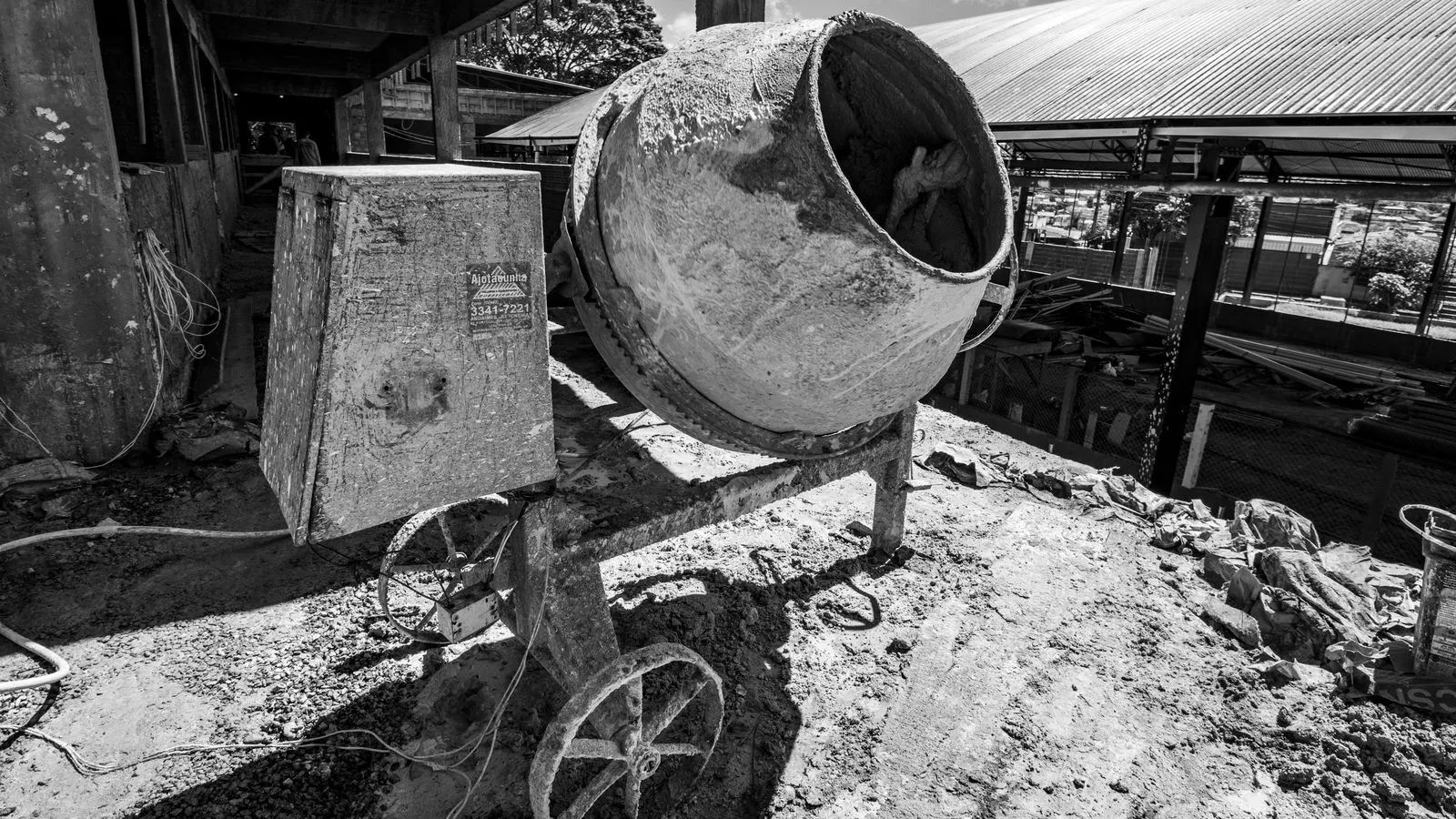
A concrete mixer's rated capacity is not just drum volume. It depends on cycle time, discharge speed, material load factors, and duty cycle. These technical factors determine the actual batch size your equipment can deliver per hour.
- Rated capacity often reflects drum volume, but true output depends on cycle time, discharge speed, and material load.
- Batch size is the amount of material mixed per cycle, while mixing capacity measures total output per hour.
- Duty cycle and discharge time directly limit how many batches a mixer can produce in a shift.
- Choosing a machine requires matching rated capacity to site demand, not just the largest drum available.
- Always verify specifications against actual site conditions, material consistency, and required delivery windows.
What Is the Difference Between Rated Capacity and Actual Output?
A concrete mixer has two numbers that matter. The first is rated capacity, usually expressed in liters or cubic meters per batch. The second is actual output, which is the amount of finished concrete the machine delivers per hour. These two figures rarely match in real work.
Rated capacity is a design number. It tells you the maximum material the drum can hold during one mixing cycle. Actual output is a performance number. It depends on how long the machine takes to load, mix, and discharge each batch. If the drum holds 350 liters, the rated capacity is 350 liters. But if the full cycle takes nine minutes, the hourly output is far lower than the raw volume suggests.
Buyers often confuse these two values. They see a large drum and assume high throughput. In practice, a smaller drum with a fast cycle can outperform a larger drum with a slow discharge. The key question is not just how much the mixer holds, but how fast it turns over.
How Drum Volume Sets the Starting Point
Drum volume is the baseline for every concrete mixer specification. It is the internal working space of the rotating drum. Manufacturers use this number to classify the machine, and buyers use it to compare options at a glance.
The drum holds the aggregate, cement, and water during the mixing process. The shape of the drum matters as much as its size. A cylindrical drum with a spiral liner creates a specific flow path. A double-cone or planetary design moves material differently. Each configuration changes how much material actually fits in the working zone versus how much sits in dead areas.
A larger drum does not always mean a larger usable batch. If the discharge opening is small, or if the drum geometry leaves material trapped near the bottom, the effective batch size drops. Engineers check the discharge opening diameter and the drum angle when evaluating a machine. A 500-liter drum with a narrow outlet may deliver less per cycle than a 400-liter drum with a wide opening.
For sourcing decisions, drum volume is a filter, not a final answer. It narrows the field of machines that can handle the project. But the real capacity question comes from the next set of factors.
How Cycle Time Controls Hourly Output
Cycle time is the total duration of one complete batch. It includes loading, mixing, and discharging. This is the single most important factor after drum volume. A mixer that completes a cycle in four minutes produces more per hour than one that takes eight minutes, even if the drum size is identical.
Each phase of the cycle has a floor. Loading takes a minimum time based on material flow. Mixing requires a set duration to homogenize the concrete. Discharging depends on gravity, drum speed, and the size of the outlet. If any phase runs long, the whole cycle stretches.
Site conditions affect each phase. If the supplier delivers aggregate in small loads, the loading phase extends. If the mix is too thick, it clings to the drum walls and slows discharge. If the operator runs the drum at low speed to reduce wear, the cycle lengthens. A 300-liter drum that cycles in five minutes yields a different hourly figure than the same drum cycling in seven minutes.
When comparing machines, buyers should ask for the manufacturer’s stated cycle time under normal conditions. They should also account for their own site variables. A machine that performs well in a controlled plant may run slower on a remote site with inconsistent material quality.
How Discharge Speed Affects Real-World Throughput
Discharge speed is the rate at which finished concrete leaves the drum. It is determined by drum rotation speed, outlet size, and the workability of the mix. A fast discharge keeps the drum empty and ready for the next load. A slow discharge becomes the bottleneck for the whole cycle.
The discharge opening is a critical design element. A wide opening allows concrete to fall freely. A narrow opening restricts flow and forces the operator to wait. Some mixers use a discharge chute or a hopper to direct the material, but the fundamental constraint is the opening diameter.
The consistency of the mix changes discharge behavior. A wetter mix flows faster but may be harder to place. A drier mix holds together better but sticks to the drum and discharges slowly. The operator adjusts water content to balance these needs. That adjustment changes cycle time.
In sourcing decisions, discharge speed is often underestimated. Buyers focus on the mixing action and ignore the outlet. A machine with excellent mixing but slow discharge will not meet delivery schedules. The hourly output calculation must include a realistic discharge time, not an ideal one.
How Duty Cycle and Material Load Factors Change the Math
Duty cycle describes how often a mixer runs and how long it rests. A continuous-duty machine can run for long periods without overheating. A short-cycle machine needs rest intervals to cool the motor and reduce wear. The duty cycle rating tells you the maximum sustained operation before service is required.
Material load factors account for the fact that raw materials do not fill the drum completely. Aggregate, cement, and water occupy space differently than water alone. A 400-liter drum does not hold 400 liters of finished concrete. It holds a mix of materials whose combined volume is less than the drum capacity due to air gaps and packing density.
Manufacturers apply a reduction factor to convert drum volume to actual batch size. This factor is usually between 60 and 80 percent, depending on the design. A 500-liter drum might produce a 350-liter batch. The gap between the two numbers is the material load factor at work.
Buyers who ignore this factor overestimate their output. They calculate based on drum volume and find the machine falls short of demand. The correct approach is to use the manufacturer’s stated batch size, which already accounts for load factors. If the specification sheet only lists drum volume, ask for the effective batch size in liters of finished concrete.
How to Calculate True Hourly Output
True hourly output is a simple calculation once you know the variables. You take the effective batch size and divide it by the cycle time in hours. The result is the number of batches per hour. Multiply by the batch size again, and you have the volume of concrete produced per hour.
Consider a practical example. A portable concrete mixer has a drum volume of 400 liters. The effective batch size, after load factors, is 280 liters. The full cycle takes six minutes. Six minutes is one-tenth of an hour. Dividing 10 by 1 gives ten cycles per hour. Multiply ten cycles by 280 liters, and the hourly output is 2,800 liters, or 2.8 cubic meters.
That number is the basis for comparing machines. If a site needs 12 cubic meters of concrete per hour, the 4.2 cubic meters per hour machine falls short. A larger drum or a faster cycle is required. The calculation is straightforward, but the inputs must be accurate. A wrong cycle time or an inflated batch size produces a misleading result.
In sourcing decisions, this calculation replaces guesswork. It turns the specification sheet into a planning tool. Buyers can model different scenarios, adjust for site conditions, and identify the machine that meets demand without overbuying. The goal is not the largest drum, but the right output for the job.
How to Match Capacity to Site Requirements
Matching capacity to site requirements means starting with the demand, not the machine. The first step is to define the concrete volume needed per hour and per shift. This depends on the placement schedule, the crew size, and the delivery windows. A small residential pour may need 2 to 3 cubic meters per hour. A commercial slab may need 8 to 12 cubic meters per hour.
The second step is to account for downtime. No machine runs at 100 percent efficiency for a full shift. Breaks, material changes, cleaning, and minor adjustments reduce effective operating time. A machine with a 6 cubic meter hourly rating may deliver 4 to 5 cubic meters in a real shift. Buyers should apply a reduction factor when comparing options.
The third step is to check the material consistency. The site may receive aggregate from different suppliers, or the cement batch may vary in moisture content. These changes affect mix workability and discharge speed. A machine that performs well with consistent materials may struggle with variable inputs.
The final step is to review the duty cycle rating. If the site requires long, continuous operation, a short-cycle machine will need more frequent rest periods. Those rest periods reduce the effective hourly output. The duty cycle must match the operating pattern. A machine rated for intermittent work will underperform in a continuous pour.
By working through these steps, buyers can select a concrete mixer that meets the actual demand. The rated capacity is a starting point. The true output, after cycle time, discharge speed, load factors, and duty cycle, is the number that matters. That is the figure that belongs in the procurement plan.
How to Verify Specifications Before Purchase
Verification is the step that separates informed buying from assumption. The specification sheet lists the numbers, but it does not tell the whole story. Buyers should request a detailed data sheet that includes drum volume, effective batch size, cycle time, discharge speed, and duty cycle. If any of these numbers are missing, ask.
The data sheet should state the conditions under which the numbers were measured. Cycle time is usually given under standard material conditions. If the site uses different materials, the cycle time may change. Buyers should confirm the assumptions behind the published figures.
A site visit or a demonstration helps. Watching a machine load, mix, and discharge a real batch gives a sense of the actual pace. The sound of the drum, the speed of the discharge, and the operator’s effort all provide information that a data sheet cannot. If a demonstration is not possible, request a video of a full cycle.
The warranty and service terms also affect capacity decisions. A machine with a longer warranty and better service coverage reduces the risk of downtime. If the mixer breaks down during a pour, the hourly output drops to zero. The total cost of ownership includes not just the purchase price, but the cost of maintenance and the cost of delay.
By verifying the numbers and watching the machine in action, buyers can make a confident decision. The concrete mixer is a tool that must match the job. The right choice comes from understanding how each factor shapes the true mixing capacity.
Key Factors at a Glance
| Factor | What It Means | Effect on Output |
|---|---|---|
| Drum Volume | Internal capacity of the mixing drum | Sets the maximum possible batch size |
| Load Factor | Reduction for material packing and air gaps | Lowers effective batch size below drum volume |
| Cycle Time | Total time for load, mix, and discharge | Directly limits batches per hour |
| Discharge Speed | Rate of material exiting the drum | Controls the discharge phase of the cycle |
| Duty Cycle | Maximum sustained operation before rest | Limits total operating time per shift |
| Material Consistency | Variation in aggregate and cement properties | Affects workability and cycle time |
Frequently asked questions
What is the main difference between rated capacity and actual output?
Rated capacity is the maximum material the drum holds. Actual output is the volume of concrete delivered per hour, which depends on cycle time, discharge speed, and load factors.
How does drum volume relate to batch size?
Drum volume is the total internal space. Batch size is the amount of finished concrete produced per cycle, which is lower than drum volume because of air gaps and material packing.
Why is cycle time important when choosing a mixer?
Cycle time determines how many batches the machine completes per hour. A shorter cycle time directly increases the hourly output, even if the drum size is small.
How do I calculate the true hourly output of a concrete mixer?
Divide the effective batch size by the cycle time in hours to get cycles per hour. Multiply that by the batch size to get the volume of concrete produced per hour.
Should I buy the largest drum available for my site?
No. The largest drum may not be the best fit. The right machine matches the required hourly output, not the largest capacity. A smaller drum with a fast cycle can outperform a larger drum with a slow cycle.