How to Calibrate Concrete Pumps for High-Rise Placement
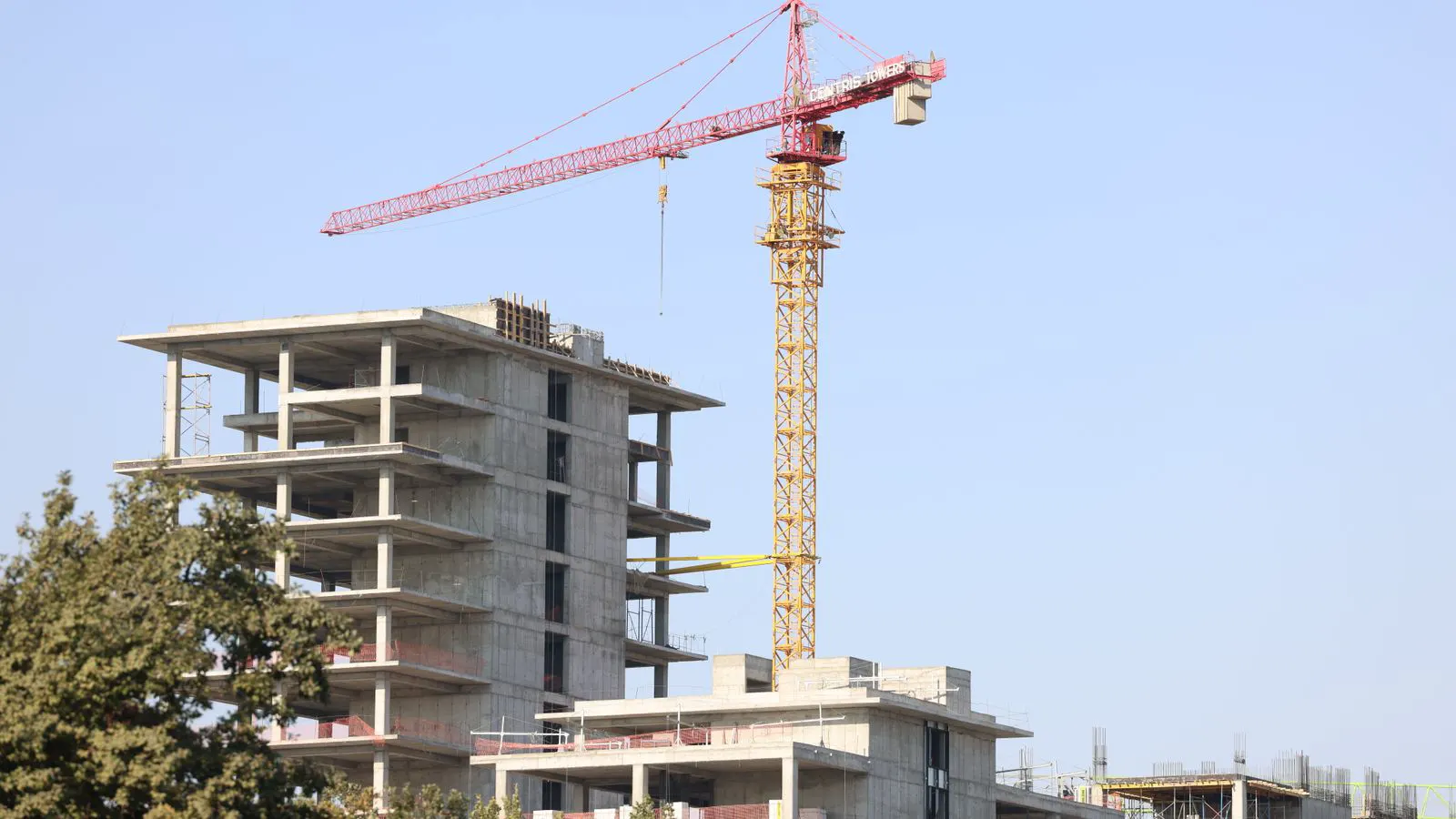
Calibrating a concrete pump for high-rise work requires verifying pump pressure, hose integrity, and flow rates against site specs. This guide outlines the setup, testing, and verification steps engineers need to prevent blockages, maintain placement speed, and protect the tower.
- Calibrate the concrete pump by testing static pressure, flow rate, and hose tension before placing into the tower.
- Verify that the pump control panel displays stable readings and that all hose couplings are torqued to specification.
- Perform a dry-run and a wet-run to confirm the pump handles the specified concrete consistency without cavitation or blockages.
- Document all calibration values on the site log for traceability and future maintenance reference.
Why high-rise pumping demands strict calibration
High-rise placement is unforgiving. The pump must hold steady pressure over long vertical runs, deliver consistent flow to a tower, and tolerate the exact consistency of the concrete mix. A small calibration drift can show up as a hose surge, a tower blockage, or a sudden loss of flow mid-placement. Engineers who treat the concrete pump as a precision instrument rather than a simple mover get fewer interruptions and better finish quality.
The core of calibration is matching the pump output to the job. You are not just checking that the machine turns on. You are confirming that the hydraulic pressure, flow rate, and hose configuration work together under the exact conditions the tower will impose. That means testing against the site specification, not just the manufacturer defaults.
Prerequisites before you start
Before you touch the controls, confirm the site and machine are ready. A calibrated pump on an unprepared site will fail.
- Concrete mix specification: obtain the mix design, slump or flow value, and maximum pump pressure from the contractor or engineer.
- Hose configuration: measure the total hose length and count the bends. Long vertical runs and tight bends increase friction loss.
- Power and cooling: verify the power source is stable and the hydraulic cooling system is full and operating.
- Safety zone: clear the area around the pump and the tower connection point.
- Documentation: have the calibration log ready to record values.
A missing mix specification is the most common prerequisite failure. Without it, you are guessing at the pressure and flow targets.
Step-by-step calibration for high-rise placement
-
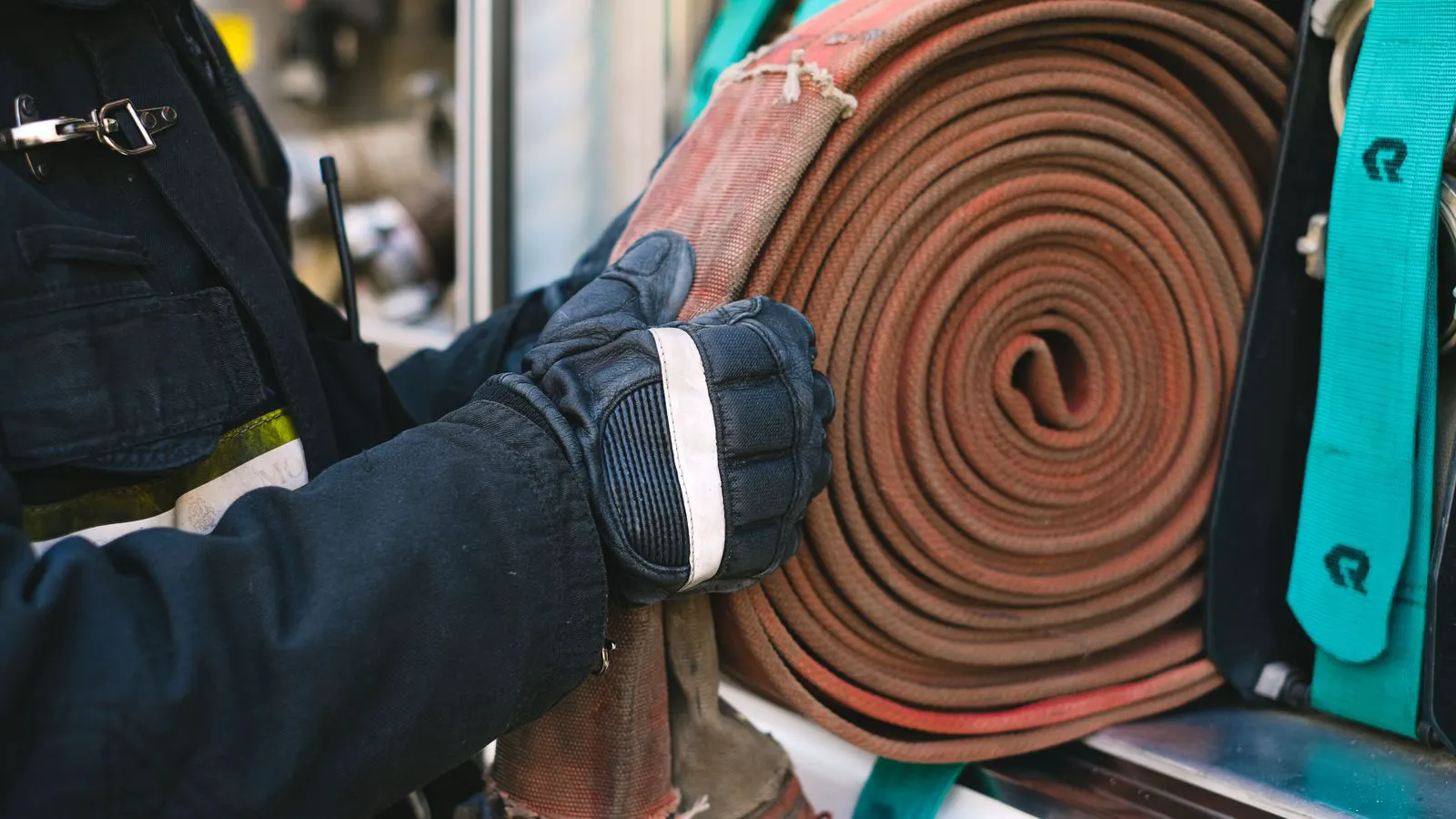
Inspect hoses and couplings. Walk the entire hose length. Check for abrasion, bulges, and worn seals. Torque each coupling to the specified value. Reason: a loose coupling is the fastest way to lose pressure and create a leak at a critical point.
-
Install the pump and set the boom or stationary position. Level the machine on firm ground. Reason: an unlevel pump can cause hydraulic imbalance and uneven wear on the pump seals.
-
Connect the discharge hose to the tower. Route the hose so the first bend after the pump is gentle. Reason: sharp bends near the pump increase friction loss and create a weak point.
-
Prime the system. Run water through the hose and pump until no air remains. Reason: air in the line causes cavitation, which damages the pump and creates pressure spikes.
-
Set the pump to low speed. Engage the control panel and bring the pump up slowly. Reason: a slow start lets you hear and feel the system settle before you apply load.
-
Record static pressure. With the hose closed or the flow restricted, read the pressure gauge. Reason: static pressure confirms the pump is producing the expected output before concrete is introduced.
-
Run a wet test with the specified concrete mix. Deliver a small volume into a safe area. Monitor pressure, flow rate, and temperature. Reason: wet test exposes problems that dry runs miss, such as seal leaks or inconsistent flow.
-
Adjust flow rate to the target. Match the pump output to the tower demand. Reason: over-pumping wastes material and stresses the system. Under-pumping creates long waits and cold concrete.
-
Verify stability over time. Run the pump for a sustained period and watch the readings. Reason: drift over time indicates cooling issues or hydraulic wear that will show up later.
Reading the control panel correctly
The control panel is your primary data source. Learn what each reading means before you rely on it.
- Pressure gauge: shows the hydraulic pressure in bar or PSI. A stable reading is the goal.
- Flow meter: shows the volume of concrete or water being moved per minute.
- Temperature sensor: indicates hydraulic oil temperature. High temperature means the pump is working harder than it should.
- Alarm indicators: these flash on faults. Do not ignore them.
A common mistake is watching only the pressure gauge. Flow rate and temperature tell you more about the condition of the pump. If pressure is stable but temperature is climbing, something is wrong.
Typical hose and tower setup errors
Hose setup is where high-rise calibration often fails. The hose is not just a pipe. It is a pressure vessel under dynamic load.
- Excessive bends: each 90 degree bend adds friction. Too many bends reduce flow and increase pressure loss.
- Kinked hose: a kink creates a choke point. It can cause a sudden pressure spike and a hose burst.
- Unsecured hose: a loose hose can whip during operation. It can damage the tower connection or strike workers.
- Overly long hose: longer hose means more friction. If the hose is longer than necessary, the pump must work harder.
A practical fix is to plan the hose route on paper before you move the equipment. Measure the run, count the bends, and adjust the pump settings to match.
Common mistakes during calibration
Even experienced teams make errors. These are the ones that cause the most downtime.
- Skipping the wet test. A dry run feels good but does not prove the pump can handle the actual material.
- Assuming the manufacturer defaults are correct. Site conditions change. The defaults may not fit the tower height or the mix design.
- Ignoring small pressure drift. A few bar change over time can signal a developing problem.
- Not documenting the calibration. Without a log, you cannot trace a blockage or a failure back to a specific setup.
Final verification step
Calibration is not complete until you have verified the pump under real placement conditions.
- Place a small batch into the tower.
- Watch the pressure and flow readings for the first three minutes.
- Confirm the concrete reaches the tower at a steady rate.
- Check the hose for leaks at each coupling.
- Record the final values in the calibration log.
If any reading drifts from the target, stop. Do not push through it. A small issue now becomes a blockage or a hose failure later.
Quick reference: typical calibration values
| Parameter | Typical range | Why it matters |
|---|---|---|
| Static pressure | 20 to 40 bar | Confirms pump output before load |
| Flow rate | 10 to 25 cubic meters per hour | Matches tower demand |
| Hose temperature | Below 60 degrees Celsius | Prevents seal damage and cavitation |
| Coupling torque | Per manufacturer spec | Prevents leaks and hose failure |
Use these ranges as a starting point. The exact values depend on the pump model, hose length, and tower height. Always follow the site specification.
Troubleshooting after calibration
If the pump does not behave as expected, check these items in order.
- Pressure too low: check the hydraulic oil level and the pump seals.
- Pressure too high: check for a blocked discharge line or an over-torqued coupling.
- Flow inconsistent: check the flow meter and the pump speed setting.
- Temperature rising: check the cooling system and the pump load.
A blockage in the hose is a common failure. If you see a sudden pressure spike and a loss of flow, stop the pump immediately. Do not try to force the concrete through.
Maintaining the calibration
Calibration is not a one-time event. The pump changes as it wears. The hose changes as it ages. The site changes as the tower rises.
- Re-check the coupling torque every shift.
- Inspect the hose for wear after each long run.
- Log the pressure and flow readings on the site log.
- Clean the control panel and check the sensors for dust and debris.
A pump that is calibrated today may not be calibrated tomorrow. Regular checks keep the system reliable.
When to call a specialist
Some issues are beyond field calibration. If the pump shows repeated pressure spikes, if the hydraulic oil is discolored, or if the flow meter reads incorrectly, call a specialist. A worn pump seal or a faulty sensor will not fix itself.
A specialist can also review the hose configuration and recommend changes that improve flow and reduce wear. They can also verify that the pump is within the manufacturer specification for the job.
Final note on high-rise concrete pumping
High-rise placement is a coordination problem. The concrete pump is the center of that coordination. It must match the mix, the hose, the tower, and the schedule. Calibration is the process that makes that match possible. It is not a formality. It is the difference between a smooth placement and a costly delay.
Treat every high-rise job as a new calibration. The conditions change. The equipment changes. The mix changes. The pump must be verified each time it moves to a new level or a new tower.
Frequently asked questions
How often should I calibrate a concrete pump for high-rise work?
Calibrate before each major placement and whenever the pump, hose, or tower changes. Re-check the readings during long runs.
What is the most common cause of a hose blockage during calibration?
A kinked hose or a sharp bend near the pump creates a choke point. Air in the line can also cause a blockage.
Can I calibrate the pump without the specified concrete mix?
You can perform a dry run, but a wet test requires the specified mix. Without it, you are not verifying the real operating condition.
What should I do if the pressure gauge reads too high?
Stop the pump. Check for a blocked discharge line or an over-torqued coupling. Do not continue operation until the cause is fixed.
How do I know if the flow rate is correct?
Compare the flow meter reading to the tower demand. A steady reading that matches the target is the goal.