Explainer: How Batch Plants Differ from On-Site Concrete Mixers
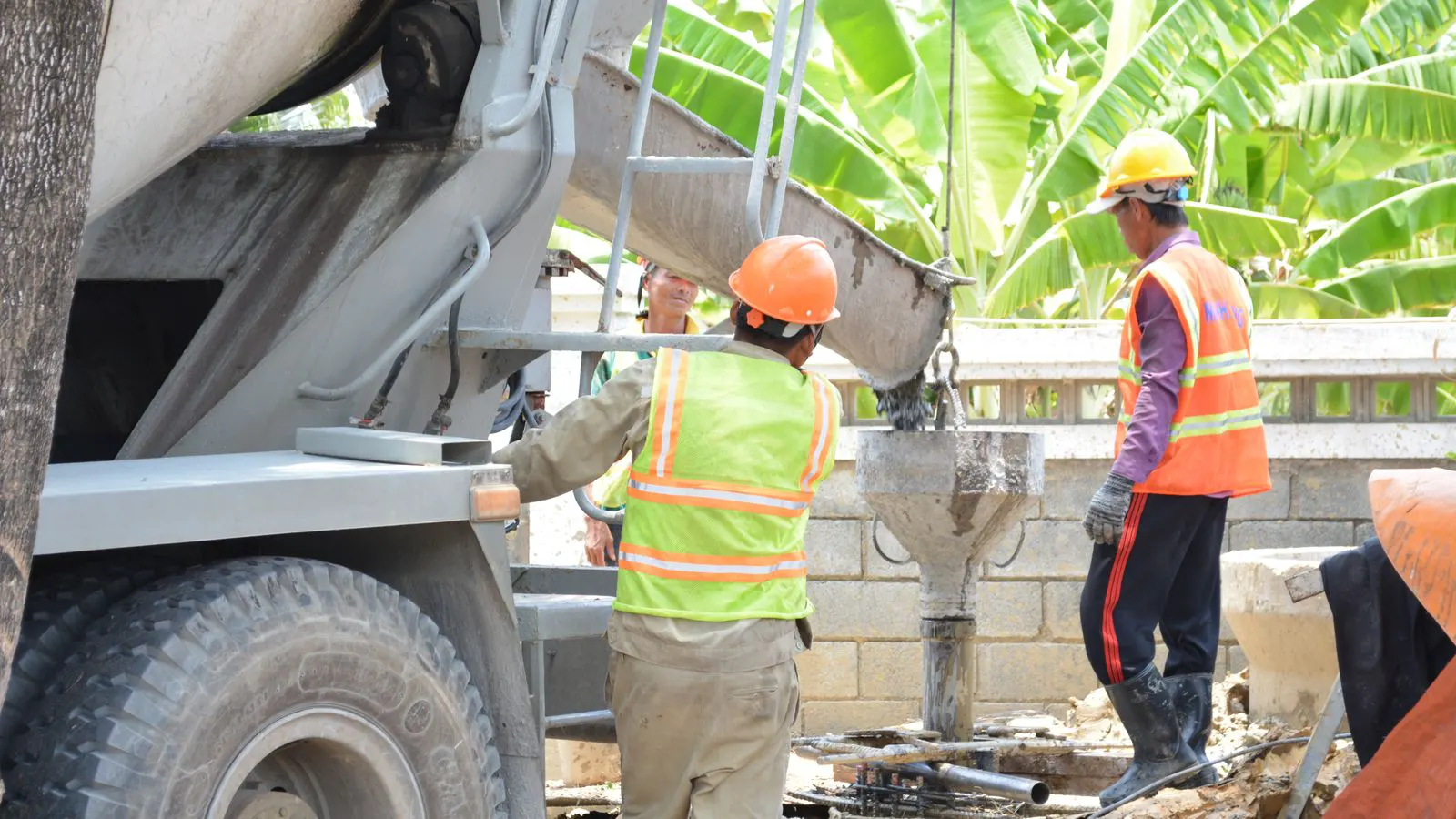
A batch plant centralizes concrete production in a fixed facility, while a concrete mixer handles mixing at the job site. This difference affects delivery logistics, material sourcing, and project scheduling.
- Batch plants centralize mixing operations in fixed facilities with automated controls.
- On-site concrete mixers provide flexibility but limit production volume per hour.
- Material sourcing and delivery logistics differ significantly between the two methods.
- Project scale and site accessibility drive the choice between centralized and on-site mixing.
- Both methods require careful planning for quality control and placement timing.
What Is a Batch Plant
A batch plant is a fixed facility that produces concrete in controlled quantities. The equipment sits in one location and moves materials through a defined sequence. Aggregate, cement, water, and admixtures enter separate bins or hoppers. Sensors measure each ingredient as it falls into the mixing drum.
The plant operates on a set recipe. The control system calculates the required batch based on the target mix design. It times the discharge of each ingredient to match the drum cycle. This automation keeps the concrete consistent from one batch to the next.
Batch plants serve multiple customers or projects from one location. The concrete travels to the site in ready-mix trucks. The truck carries the material from the plant to the placement point. This setup separates production from placement.
The plant itself contains the mixer, dosing equipment, aggregate conveyors, and water systems. It also has storage bins for each ingredient. The layout is designed for efficiency. Materials flow in one direction from receipt to finished concrete.
How an On-Site Concrete Mixer Works
A concrete mixer operates directly on the construction site. It receives bulk materials or pre-packaged cement and aggregate. The operator loads these into the drum or hopper. The mixer combines them with water and admixtures to form concrete.
On-site mixers come in fixed and mobile forms. Fixed units are installed at a permanent location. Mobile units sit on a trailer or truck. Both types handle the mixing process at the point of use or near it.
The operator controls the batch manually or with a simple control panel. There is no automated recipe system in most cases. The operator adjusts water and cement based on the desired workability. This introduces human variation into the process.
The mixer produces concrete for immediate placement. The material moves from the drum directly to the pump, hopper, or placement area. There is no transit time in a ready-mix truck. The concrete stays at the site during mixing.
Operational Differences in Daily Production
The operational rhythm differs between the two systems. A batch plant runs on a continuous cycle. Batches are produced in sequence and loaded into trucks. The plant can serve multiple deliveries per hour.
An on-site mixer works in smaller, intermittent batches. The operator mixes, places, and then mixes again. The drum may sit idle while the placement crew works. The cycle depends on the pace of the placement team.
The batch plant has dedicated personnel for production. Operators monitor the dosing system and drum cycles. Quality technicians check the concrete at regular intervals. The site crew focuses on placement and finishing.
On-site mixing combines production and placement duties. The operator manages the mixer and coordinates with the placement team. The same person may adjust the mix and direct the concrete. This requires broader skill but reduces the number of workers needed.
Material Sourcing and Logistics
Material sourcing changes the logistics entirely. A batch plant receives bulk deliveries of cement, aggregate, and water. These materials are stored on-site for the duration of the project or contract. The plant manages its own inventory.
An on-site mixer sources materials closer to the job. Cement may come in bags or bulk. Aggregate may arrive in separate trucks or be sourced from a nearby quarry. Water can come from a tank truck or an on-site source.
The batch plant reduces the number of truck movements. One cement delivery serves many batches. One aggregate delivery serves many batches. The site receives only the finished concrete. This simplifies site access and reduces traffic.
On-site mixing increases the number of deliveries. Each material type requires its own truck or delivery. The site must manage multiple arrivals at different times. This can congest the site and complicate scheduling.
Impact on Sourcing Decisions
The choice between the two methods affects how you source the concrete. A batch plant requires a contract for ready-mix supply. The plant produces the concrete to the specified mix design. The site receives it in trucks at scheduled times.
An on-site mixer requires sourcing of raw materials. The buyer purchases cement, aggregate, and admixtures separately. These materials must be delivered to the site in usable quantities. The buyer manages the inventory and mixing process.
Sourcing from a batch plant shifts responsibility to the plant. The plant is responsible for the quality of the concrete. The site is responsible for placement and finishing. The contract defines the mix design and delivery terms.
Sourcing for an on-site mixer keeps responsibility with the site. The buyer must verify the quality of each material. The operator must mix correctly. The site is responsible for the final concrete. This requires more oversight.
Quality Control and Consistency
Quality control is managed differently in each system. A batch plant uses automated dosing to ensure consistency. The sensors measure each ingredient. The control system prevents over- or under-dosing. This keeps the mix uniform.
An on-site mixer relies on the operator. The operator measures cement and aggregate by volume or weight. Water is added by eye or with a simple gauge. Admixtures are added based on experience. This introduces variability.
The batch plant can test the concrete at the plant. Samples are taken from the drum and checked for slump, air content, and other properties. The results are recorded and shared with the site. The site can verify the mix before placement.
On-site testing is more limited. The operator can check slump and workability. The site engineer can take samples for lab testing. But the mix may have already been placed. Correcting a bad batch is difficult.
| Factor | Batch Plant | On-Site Concrete Mixer |
|---|---|---|
| Production Location | Fixed facility | Job site or nearby |
| Batch Control | Automated dosing system | Operator-controlled mixing |
| Material Handling | Bulk storage and automated feeding | Manual or semi-automatic loading |
| Delivery Method | Ready-mix trucks | Direct placement from mixer |
| Quality Testing | Plant-based with records | Site-based with limited records |
| Scheduling Complexity | Centralized delivery schedule | Multiple material deliveries |
A Worked Example
Consider a project that requires concrete for a series of foundation walls. The site is remote with limited road access. The project needs a total volume of concrete over several weeks. The mix design specifies a particular strength and workability.
Using a batch plant, the project team orders ready-mix concrete. The plant produces the concrete to the specified design. The trucks deliver the material to the site in scheduled batches. The site crew places the concrete as it arrives. The materials for the plant are sourced and stored at the plant. The site handles only the finished product.
Using an on-site concrete mixer, the project team sources cement, aggregate, and water. These materials are delivered to the site in separate trucks. The operator loads them into the mixer. The concrete is mixed and placed directly. The site manages the inventory of each material. The operator adjusts the mix for each batch.
The batch plant approach reduces site complexity. The site receives one type of material in trucks. The on-site mixer approach requires managing multiple materials. The batch plant approach centralizes quality control. The on-site mixer approach places quality control on the site team.
The choice depends on the project. The remote site may make batch plant delivery difficult. The on-site mixer may be more practical despite the extra material handling. The project team weighs logistics against quality control needs.
When Each Method Fits Best
A batch plant suits projects with large concrete volumes. The site needs consistent quality and reliable delivery. The location is accessible for truck traffic. The project schedule allows for scheduled deliveries.
An on-site concrete mixer suits projects with smaller volumes or limited access. The site cannot accommodate truck traffic. The concrete volume is low enough to mix on-site. The team has the skill to manage mixing.
The decision also depends on the mix design. Complex mixes may be easier to produce in a batch plant. Simple mixes can be handled on-site. The project team must match the method to the technical requirements.
Final Considerations for Buyers
Buyers should evaluate the site before choosing. Road access, space, and traffic limits affect the decision. The batch plant requires truck access. The on-site mixer requires space for material storage and mixing.
The project team must consider the skill required. A batch plant provides trained operators. An on-site mixer requires the site team to handle mixing. The team’s experience with concrete production affects the outcome.
Cost is not the only factor. The batch plant may have higher delivery costs. The on-site mixer may have higher material sourcing costs. The total cost includes labor, equipment, and time.
The decision should align with the project goals. Quality, schedule, and logistics all matter. The right method depends on the specific circumstances of the project.
Frequently asked questions
Can a batch plant produce custom mix designs?
Yes. Batch plants can produce concrete to specific mix designs. The control system can be programmed with the required ratios.
How much concrete can an on-site mixer produce?
On-site mixers produce smaller batches. The output depends on the drum size and cycle time. They are better for smaller projects.
Who is responsible for the quality of concrete from a batch plant?
The batch plant is responsible for the quality of the concrete. The plant tests the mix and provides records. The site verifies it before placement.
Can an on-site mixer handle high-volume projects?
On-site mixers are not ideal for high-volume projects. They produce smaller batches and require manual loading. The throughput is limited.
What materials does a batch plant need?
A batch plant needs cement, aggregate, water, and admixtures. These are stored in bins and hoppers. The plant receives bulk deliveries of these materials.