Checklist: Verifying Battery Health for Hybrid Excavators
This guide provides a practical audit checklist to verify hybrid excavator battery health. It covers documentation, diagnostics, load tests, and thermal checks. Use it to assess condition before purchase or lease and identify red flags early.
- Verify battery health using service logs, diagnostic readings, and load tests before signing a purchase or lease agreement.
- A healthy hybrid system should show stable voltage under load and no unexplained battery degradation between service intervals.
- Thermal management performance and battery state of charge trends are strong indicators of long-term reliability and residual value.
- Inspect physical components, including cables, connectors, and cooling systems, for wear and corrosion that can mask underlying electrical faults.
- Cross-check manufacturer warranty terms and service history to ensure the battery system remains covered and that no major repairs were deferred.
Why Battery Verification Matters in Hybrid Excavator Transactions
Hybrid excavators combine diesel engines with electric drive systems to reduce fuel consumption and emissions. The battery pack serves as the primary energy source for electric operation and energy storage. If the battery degrades quickly, the machine may run more like a standard diesel unit, losing the efficiency benefits that justify the premium purchase price.
Before committing to a hybrid excavator, buyers and lessees need a verification protocol that goes beyond a short test drive. The protocol should inspect documentation, run diagnostics, observe electrical behavior under load, and check physical components. This guide provides that protocol in a copyable checklist format.
Section 1: Review Documentation and Service History
Start with the paper trail. The service history tells you how the machine was maintained and whether the battery system received the care it requires.
- Request the full service log from the previous owner or fleet manager. Look for records of hydraulic oil changes, engine service, and any hybrid system updates.
- Check for battery-specific service entries. These may include coolant top-ups, firmware updates, or inspections of the battery pack.
- Review the warranty status. Confirm whether the battery pack, inverter, or hybrid controller is still under warranty. Note any exclusions or conditions that require specific maintenance to keep coverage active.
- Ask about previous repairs. If the battery was replaced or a module was swapped, request the parts number and labor hours.
- Inspect the title or registration for any liens or restrictions that could affect ownership or financing.
Red flags: Missing service records, gaps in maintenance history, or a battery warranty that expired without documented service. If the previous owner could not provide a complete log, treat the battery condition as unknown until proven otherwise.
Section 2: Inspect Physical Components
The battery pack and associated hardware are exposed to vibration, heat, and moisture. A physical inspection can reveal issues that diagnostics will not catch.
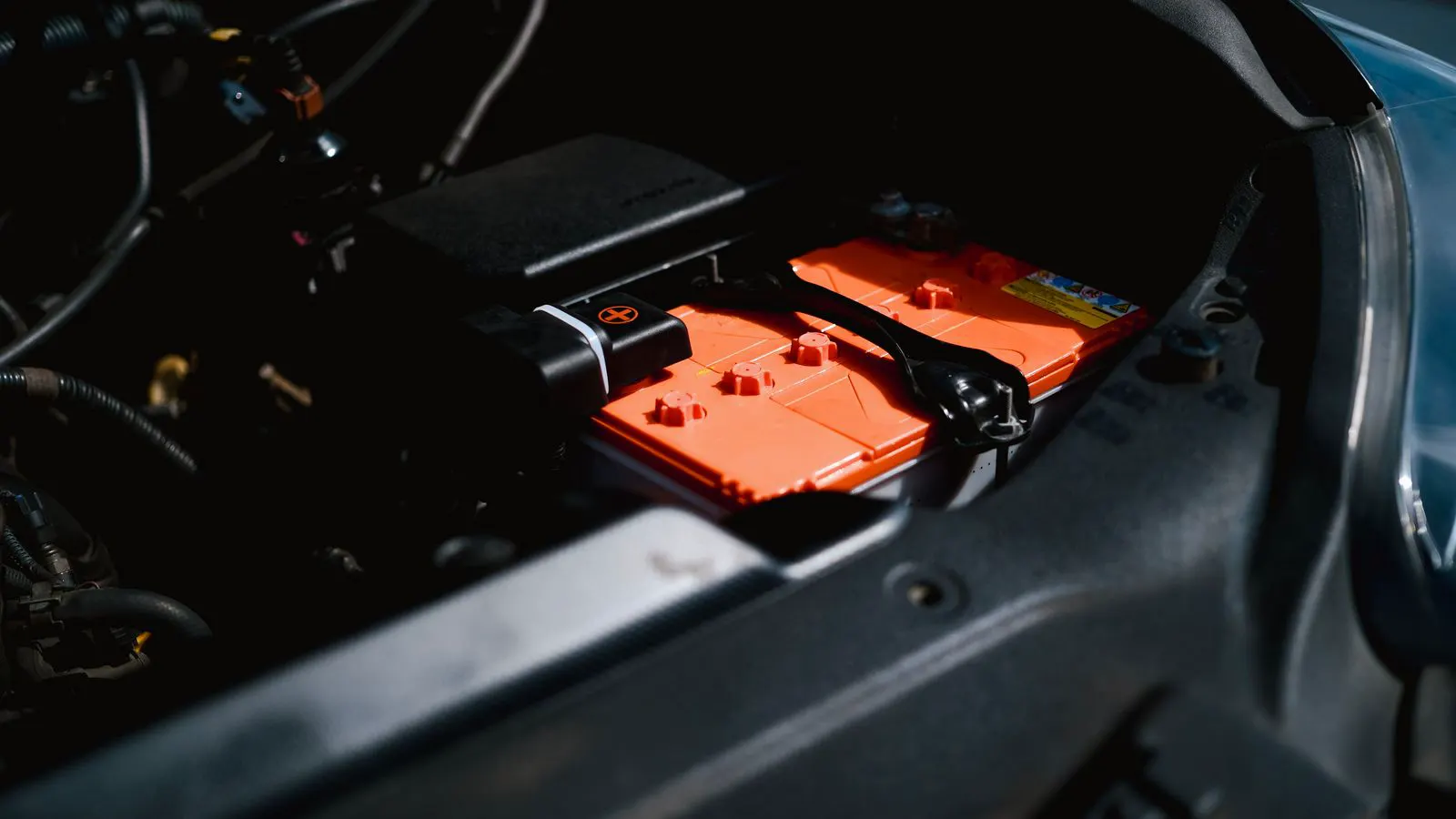
- Open the battery compartment and visually inspect the battery pack. Look for swelling, discoloration, or physical damage to the casing.
- Check all cables and connectors. Tighten loose terminals and inspect for corrosion, fraying, or burnt insulation.
- Examine the cooling system. Many hybrid systems use liquid cooling for the battery. Verify coolant levels and inspect hoses for leaks or cracks.
- Look at the inverter and hybrid controller. These components are sensitive to heat. Check for discoloration, loose mounting bolts, or signs of overheating.
- Inspect the battery enclosure seals. Water ingress can cause short circuits and reduce battery life.
Red flags: Visible swelling of the battery pack, heavy corrosion on connectors, or a coolant leak. These issues are costly to repair and can indicate broader maintenance neglect.
Section 3: Run Hybrid System Diagnostics
Modern hybrid excavators have onboard diagnostic systems that provide real-time data on battery health. This data is the most direct measure of battery state of charge and overall condition.
- Turn on the diagnostic interface. Record the current battery state of charge.
- Check the reported battery temperature. Compare it to the manufacturer’s recommended operating range.
- Review the battery health percentage or remaining capacity. Many systems display a number that estimates the current capacity relative to the original.
- Look for stored fault codes. Even if no code is active, history logs may show intermittent issues that were resolved.
- Check the inverter and hybrid controller status. Fault codes here can indicate problems that affect how the battery is charged and discharged.
Red flags: A battery health reading below the manufacturer’s recommended threshold, persistent fault codes, or a battery temperature that stays high even when idle. If the diagnostic system does not display battery health data, ask the seller for a printed report from the last service.
Section 4: Perform an Electric Power Validation Test
The diagnostic readings are a snapshot. An electric power validation test shows how the battery behaves under actual load. This is where you see if the hybrid system delivers the power it claims.
- With the engine off or in electric-only mode, operate the boom and arm on a light load. Observe the response time and smoothness.
- Engage a heavier load, such as digging a small trench or lifting a moderate weight. Monitor the battery state of charge drop and the engine’s response.
- Listen for unusual noises. A healthy electric motor should run quietly. Grinding, whining, or rattling can indicate mechanical or electrical issues.
- Watch the battery temperature rise during the test. It should climb gradually and cool down when the load stops.
- Repeat the test with a different set of tasks. Varying the load helps identify inconsistencies in power delivery.
Red flags: Delayed response when engaging the electric drive, a sharp drop in battery state of charge, or the engine kicking in more frequently than expected. These signs suggest the battery cannot deliver sustained power.
Section 5: Assess Battery State of Charge and Degradation Trends
Battery state of charge is a moving target. To understand degradation, you need to look at trends over time.
- Ask the previous owner for records of battery state of charge at different times. This may be available from the fleet management system.
- Compare the current battery health percentage to the initial value. A significant drop over a short period is a warning sign.
- Check the charge cycle count. If the system tracks this, compare it to the expected range for the machine’s operating profile.
- Look for patterns in how quickly the battery recharges. A slow recharge rate can indicate a failing charge controller or battery imbalance.
- Review the battery state of charge after a full workday. If it consistently starts at a low level, the previous owner may not have been following best practices for battery care.
Red flags: A rapid decline in battery health percentage, a mismatch between reported and observed charge cycles, or a battery that does not fully recharge after a long idle period.
Section 6: Review Financing and Lease Implications
The condition of the battery system directly affects the cost of financing and the terms of a lease. A weak battery can increase your risk and reduce the machine’s residual value.
- Check the financing model. Some loans or leases require a minimum battery health rating to qualify. Ask your lender or leasing company for their specific requirements.
- Review the residual value clause. If the lease has a buyout option, confirm how the battery condition is assessed at the end of the term.
- Ask about capital reserves. If you are buying, set aside a fund for potential battery replacement or major hybrid system repairs.
- Compare the cost of a new or used hybrid excavator with a well-maintained standard diesel unit. The battery health status is a key factor in that comparison.
- Negotiate based on findings. If the battery shows signs of degradation, use that information to negotiate a lower purchase price or a better lease rate.
Red flags: A financing offer that does not account for battery condition, or a lease agreement that shifts all battery replacement costs to the lessee. These terms can turn a hybrid excavator into a liability.
Section 7: Final Verification and Sign-Off
Before signing any agreement, bring together all your findings into a single document.
- Summarize the physical inspection results. Note any repairs or replacements that are needed.
- Record the diagnostic readings and fault codes. Include screenshots or printed reports if possible.
- Document the electric power validation test. Describe the loads used, the battery response, and any issues observed.
- List the battery state of charge trends and degradation data.
- Attach the service history and warranty documents.
- Have a qualified technician review the checklist. A second opinion can catch issues you might have missed.
Red flags: Any unresolved issues that were not addressed during the audit. Do not proceed with the purchase or lease until all critical problems are fixed or priced into the deal.
Quick Reference Table
| Check Area | What to Look For | Red Flag |
|---|---|---|
| Documentation | Service logs, battery warranty, repair history | Missing records, expired warranty |
| Physical Inspection | Battery casing, cables, cooling system | Swelling, corrosion, coolant leaks |
| Diagnostics | Battery health %, temperature, fault codes | Low health %, persistent faults |
| Electric Power Test | Response time, load handling, noise | Delayed response, engine kicking in |
| Degradation Trends | Charge cycles, recharge rate, SoC patterns | Rapid capacity loss, slow recharge |
| Financing/Lease | Residual value clauses, capital reserves | Shifted battery costs, no warranty |
Common Mistakes to Avoid
- Relying only on a short test drive. A ten-minute run does not reveal long-term battery issues.
- Ignoring the cooling system. A weak battery may be a symptom of poor thermal management.
- Accepting verbal assurances. Get all battery health data in writing.
- Skipping the diagnostic fault code review. Intermittent faults are often the first sign of a deeper problem.
- Underestimating repair costs. Battery replacement and hybrid system repairs are expensive.
When to Walk Away
Not every hybrid excavator is a good deal. Consider walking away if the battery shows any of the following conditions:
- The battery health percentage is significantly below the manufacturer’s threshold and the cost to replace it is high.
- There is no service history and the physical inspection reveals signs of neglect.
- The diagnostic system reports multiple fault codes that cannot be cleared.
- The electric power validation test shows inconsistent performance or excessive heat.
- The financing or lease terms do not account for the battery’s condition and shift the risk to you.
A hybrid excavator can be a powerful tool if the battery system is healthy. The verification protocol in this guide helps you confirm that before you commit. Use it to make an informed decision and protect your investment.
Frequently asked questions
How often should I check the battery state of charge on a hybrid excavator?
Check it during regular inspections and after each shift if possible. A quick review of the diagnostic screen takes seconds and helps you spot unusual drops in capacity.
What is the biggest red flag when inspecting a hybrid excavator battery?
A visible swelling of the battery pack or a rapid decline in battery health percentage over a short period. These are clear signs of internal failure and can lead to sudden system shutdown.
Can I verify battery health without a diagnostic system?
It is difficult. Most hybrid excavators require the onboard diagnostics to read battery health and fault codes. If the system is unavailable, rely more heavily on physical inspection and load tests.
How does battery condition affect the residual value of a hybrid excavator?
A healthy battery increases the machine's value. A degraded battery reduces it. Buyers and lessees will discount the price if they know the battery needs replacement or has a short lifespan.
What should I do if the battery warranty is expired but the health percentage is still high?
You can still use the machine, but you are responsible for any future battery failures. Consider setting aside a capital reserve for a potential replacement and verify the battery's thermal management system.