Outlook: AI-Driven Fleet Maintenance Cost Predictions
AI shifts machinery maintenance spending from reactive repairs to planned interventions. This article outlines five budgetary shifts, including data integration, residual value adjustments, and staffing changes. It provides practical steps to prepare your capital planning for predictive analytics.
- AI changes maintenance spending from unpredictable repair bills to scheduled, data-backed interventions.
- Budgeting must account for higher initial data and software costs, offset by lower unplanned downtime.
- Fleet managers should integrate maintenance analytics with utilization tracking to improve forecasting accuracy.
- Staffing roles are shifting toward data interpretation rather than manual record-keeping.
- Residual values may improve as machines receive precise, condition-based servicing.
Machinery maintenance budgets have historically relied on fixed intervals and repair history. As digital sensors and machine data accumulate, the calculation of AI fleet maintenance costs moves away from calendar-based assumptions. Predictive cost modeling allows operators to align spending with actual equipment condition. This shift requires changes to how capital reserves are funded and how lease residuals are assessed.
How Predictive Cost Modeling Changes the Budget Line
Traditional budgeting treats maintenance as a percentage of operating hours or a fixed annual fee. This approach masks the cost of unplanned downtime and emergency parts. Predictive cost modeling uses digital maintenance analytics to estimate repair needs based on sensor readings from hydraulic systems, engines, and structural components. The result is a budget that reflects likely maintenance events rather than theoretical maximums.
The budget line splits into two distinct categories. One covers planned preventive service, such as filter changes, fluid analysis, and hydraulic hose inspections. The other covers corrective maintenance, which now occurs only when sensor thresholds indicate a specific failure risk. This separation makes the budget easier to audit. Finance teams can review the logic behind each expense. They can verify that a major gearbox replacement was predicted by specific torque or vibration patterns, not just a scheduled 2000-hour interval.
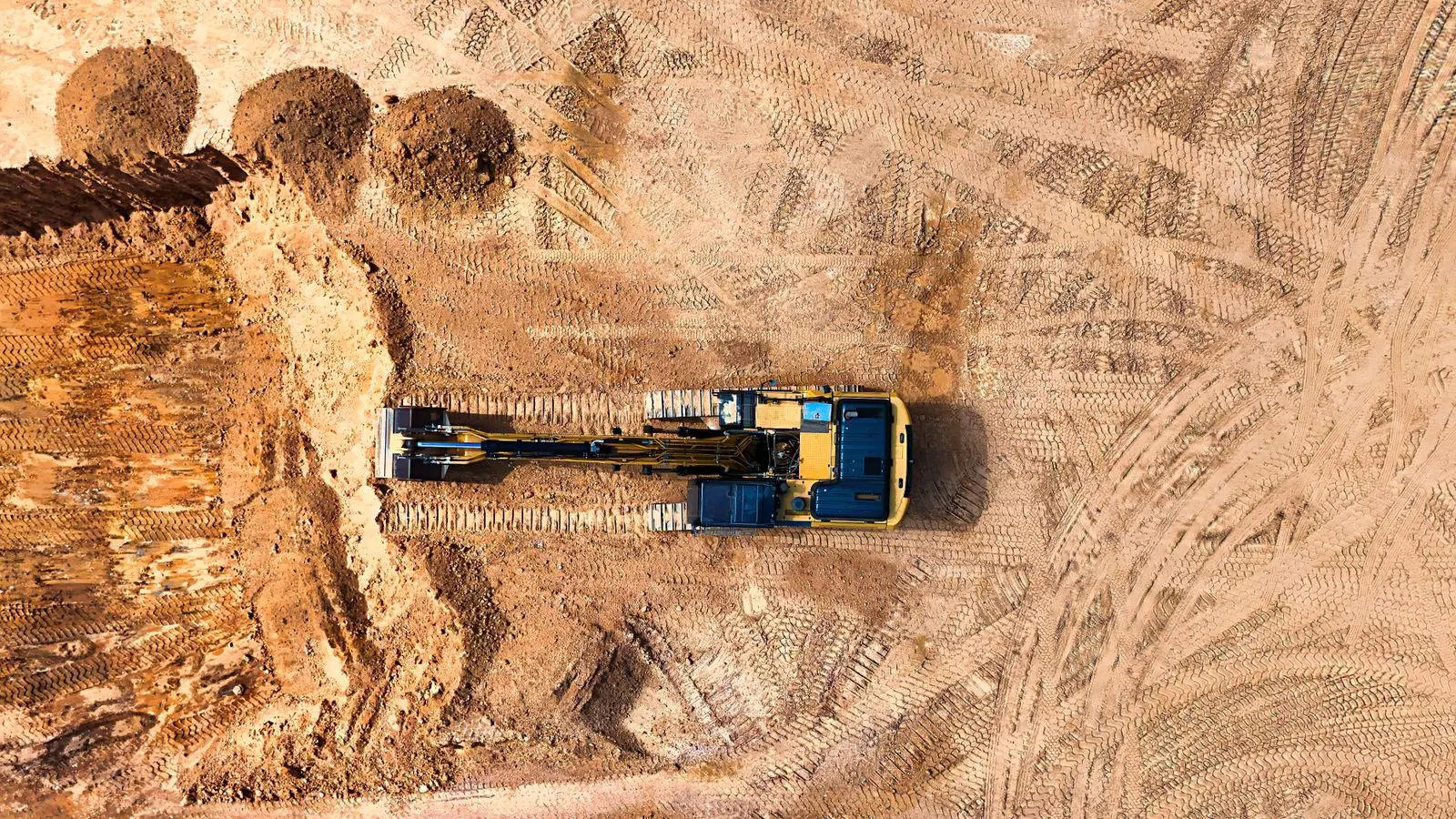
Consider a heavy earthmover operating in a dense urban site. The machine’s hydraulic system experiences high peak loads during compacting operations. A traditional budget might allocate funds based on a standard interval, ignoring the stress. A predictive model, however, monitors pressure spikes and temperature variances in real time. If the model detects a deviation in cylinder seal performance, it flags a specific component for replacement. The budget then includes the cost of that seal and labor, rather than a generic “hydraulic service” line item. This level of granularity allows finance teams to track the cost of specific wear patterns.
This method also affects parts inventory significantly. Instead of stocking spare parts for every possible component, operators can order items when the model predicts a failure window. This reduces capital tied up in unsold inventory. It also lowers the risk of obsolete parts sitting in the warehouse. For example, an operator might previously stock ten different types of hydraulic hoses for a fleet of ten excavators. With predictive modeling, they might only need to stock two types, ordered just-in-time based on the specific machine’s telemetry. This frees up cash flow and warehouse space.
The Role of Digital Maintenance Analytics in Forecasting
Digital maintenance analytics processes data from multiple sources. It combines machine telemetry, job site conditions, and operator inputs into a single dataset. The algorithm identifies patterns that human technicians might miss, such as slight variations in hydraulic pressure during cold starts or subtle changes in engine combustion efficiency.
For budgeting purposes, this analytics layer provides confidence intervals. Instead of a single estimate for a repair, the model provides a range of probabilities. A 30% chance of a hydraulic hose failure within 500 hours carries a different budgetary weight than a 90% chance. Finance teams can use these probabilities to set aside capital reserves. They can prioritize machines with higher risk profiles for immediate inspection.
The analytics also account for machine utilization and environmental factors. A machine operating in a rocky quarry experiences different wear patterns than one in a clean excavation pit. Digital maintenance analytics adjusts the cost prediction based on the actual stress loads. This makes the AI fleet maintenance costs more accurate for specific fleet segments.
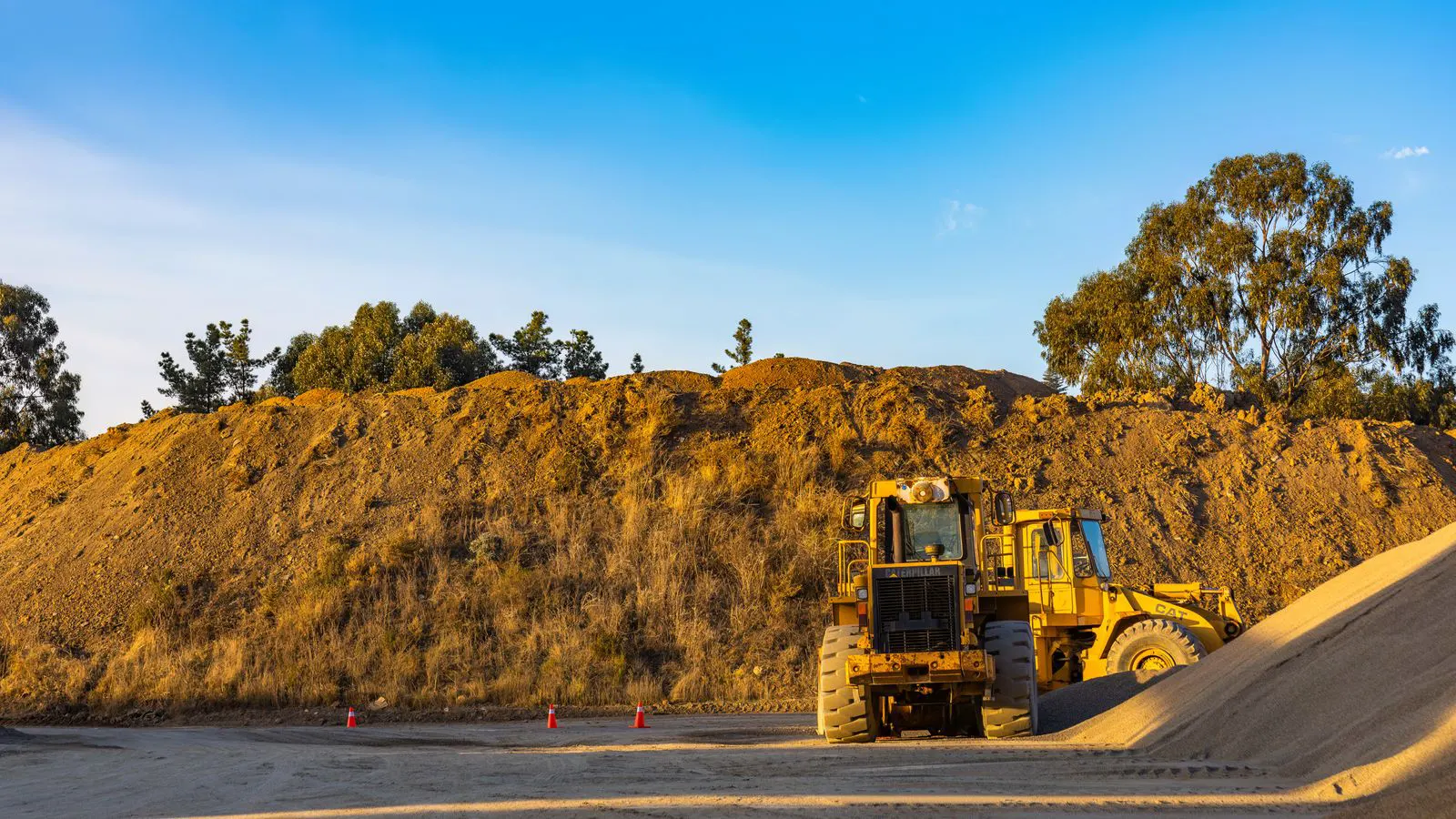
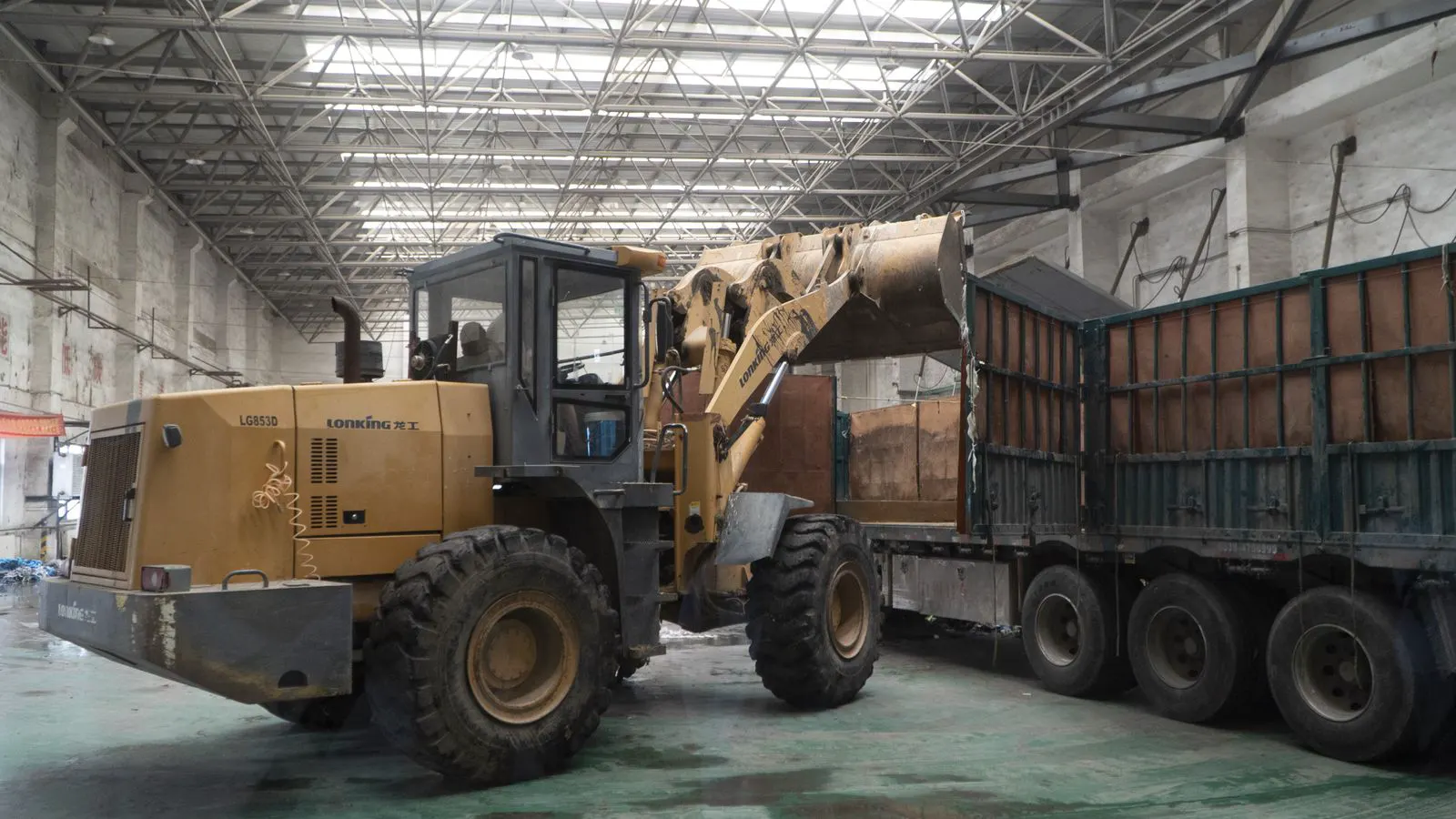
Take a fleet of wheel loaders used in aggregate processing. One unit operates in a dry, sandy environment, while another works in wet, clay-heavy soil. The hydraulic systems of both machines show similar operating hours. However, the unit in the clay environment may show higher internal resistance in the hydraulic pumps due to contaminated fluid. The analytics platform detects this increased resistance and predicts earlier wear on the pump seals. The budget for the second machine will reflect higher corrective maintenance costs, even though the operating hours are identical. This nuance prevents underestimating costs for machines in harsher environments.
Shifts in Staffing and Skill Requirements
The adoption of predictive models changes the labor requirements for maintenance teams. Technicians who previously relied on visual inspections and basic diagnostics now need to interpret data dashboards. They must understand what specific sensor readings indicate about component health.
This shift impacts the training budget. Companies must invest in upskilling their workforce. New roles may emerge, such as fleet data analysts, who monitor the predictive models and flag anomalies. The cost of hiring or training this specialized staff becomes a line item in the maintenance budget.
However, the labor cost savings can be significant. If a model predicts a failure two weeks in advance, the team can schedule the repair during a planned shutdown. This avoids overtime pay for emergency repairs. It also reduces the need for multiple technicians to diagnose a complex issue. The labor cost per repair event drops as the diagnostic process becomes more targeted.
For instance, a diagnostic team might previously spend three days troubleshooting an intermittent hydraulic leak. With predictive data, the leak might be identified as a failing seal in a specific cylinder based on pressure decay patterns. The technician can replace the seal in half a day. The labor cost drops from a multi-day, multi-person effort to a single-day, single-technician task. This efficiency directly reduces the labor portion of the maintenance budget.
Impact on Residual Value and Financing
Maintenance quality directly affects the resale value of construction machinery. When AI fleet maintenance costs are managed through predictive analytics, the machine history becomes more transparent. A detailed log of sensor-based interventions proves that the equipment was cared for according to its actual condition.
This transparency can improve lease residual value clauses. Lenders may be more willing to accept higher residual values for machines with verified predictive maintenance records. The risk of unexpected breakdowns at the end of a lease term decreases. This can lower the financing cost for the operator.
Buyers should review their lease agreements to see if they can require digital maintenance records as a condition for the residual value. If the lease contract does not specify this, the operator must ensure that the maintenance data is stored securely and accessible. A machine with a clean digital health history is a stronger asset than one with only paper records of service.
Consider a used excavator sold after a five-year lease. The buyer inspects the machine and reviews its maintenance history. If the history shows only vague statements like “regular service performed,” the buyer may discount the price due to uncertainty about internal condition. If the history includes detailed sensor logs showing that hydraulic pressure remained within specified limits and no warning codes were triggered, the buyer has higher confidence. This confidence can translate into a higher sale price or a lower residual risk for the leasing company.
The Data Infrastructure Cost
Before the benefits of predictive cost modeling appear, there is a significant upfront cost. Operators need to install sensors or upgrade existing telematics units. They need a platform to store and process the data. This infrastructure cost is a one-time or recurring expense that must be included in the initial budget.
The cost of this infrastructure varies based on the fleet size and the complexity of the machines. Heavy equipment with complex hydraulic systems may require more sensors than a simple wheel loader. The budget must account for the hardware installation, the software license, and the integration with existing fleet management systems.
Operators should evaluate the total cost of ownership for this technology. The initial investment must be weighed against the expected savings in parts, labor, and downtime. If the fleet is large and operates continuously, the payback period for the analytics platform is likely shorter. For smaller fleets, the savings may take longer to materialize.
For example, a fleet of ten small compactors may not generate enough data to justify a high-end analytics platform. The cost of the software license and sensor upgrades might outweigh the savings from reduced downtime. However, a fleet of twenty large hydraulic excavators operating 24/7 on major infrastructure projects will generate substantial data. The savings from avoiding even one major hydraulic failure or engine breakdown can cover the initial investment quickly.
Practical Steps for Budget Preparation
To prepare for AI-driven maintenance budgeting, operators should take the following steps:
- Audit current machine data. Identify which machines already have telematics and which need new sensors.
- Define the cost centers. Separate planned service, corrective maintenance, and data infrastructure costs in the budget.
- Review lease and financing contracts. Check if residual values are tied to maintenance records.
- Assess staffing needs. Determine if current technicians need training or if a new data analyst role is required.
- Pilot the analytics platform. Test the predictive cost modeling on a small segment of the fleet before applying it to the whole.
This phased approach allows operators to measure the accuracy of the models. It also helps identify any gaps in the data collection. If the model predicts a failure that does not occur, the budget forecast becomes less reliable. Testing the system in a controlled environment helps refine the algorithm and build trust with the finance team.
Start by selecting a single machine type, such as a specific model of excavator, and track its data for one quarter. Compare the predicted maintenance costs to the actual costs incurred. If the model overestimates costs, adjust the parameters or investigate if the data sources are incomplete. This iterative process ensures that the budget is grounded in reality rather than speculation.
Long-Term Cost Trends
As the technology matures, the cost of sensors and software will likely decrease. This will make it easier for smaller fleets to adopt predictive maintenance. The data quality will also improve as more machines generate information. The algorithms will become better at distinguishing between normal wear and actual failure risks.
This trend will make AI fleet maintenance costs more predictable for both operators and lenders. The uncertainty that currently drives up capital reserves will decrease. Operators can fund their capital reserves with greater confidence. They can allocate more capital to new equipment or expansion projects.
The integration of these tools with other financial planning methods, such as utilization rate calculations, will further enhance accuracy. A machine with high utilization but good predictive maintenance scores is a different asset than one with low utilization and poor sensor health. Future budgeting will reflect this nuanced view of equipment value.
Frequently asked questions
How does AI change the timing of maintenance expenses?
AI shifts maintenance from scheduled intervals to condition-based triggers. Expenses occur when sensor data indicates a need, which can reduce emergency repair costs.
What is the biggest cost barrier to adoption?
The initial investment in sensors and analytics software is the main barrier. This must be weighed against the long-term savings in downtime and parts.
Does predictive maintenance affect lease terms?
Yes, it can. Lenders may offer better terms for machines with verified digital maintenance records, as the risk of unexpected damage is lower.
How accurate are AI fleet maintenance cost predictions?
Accuracy depends on the quality of the data and the age of the model. Predictions are usually ranges rather than exact figures, and they improve with more historical data.
Do small fleets need these systems?
Small fleets can benefit, but the return on investment may take longer. Starting with a pilot program on a few machines is a practical way to test the value.