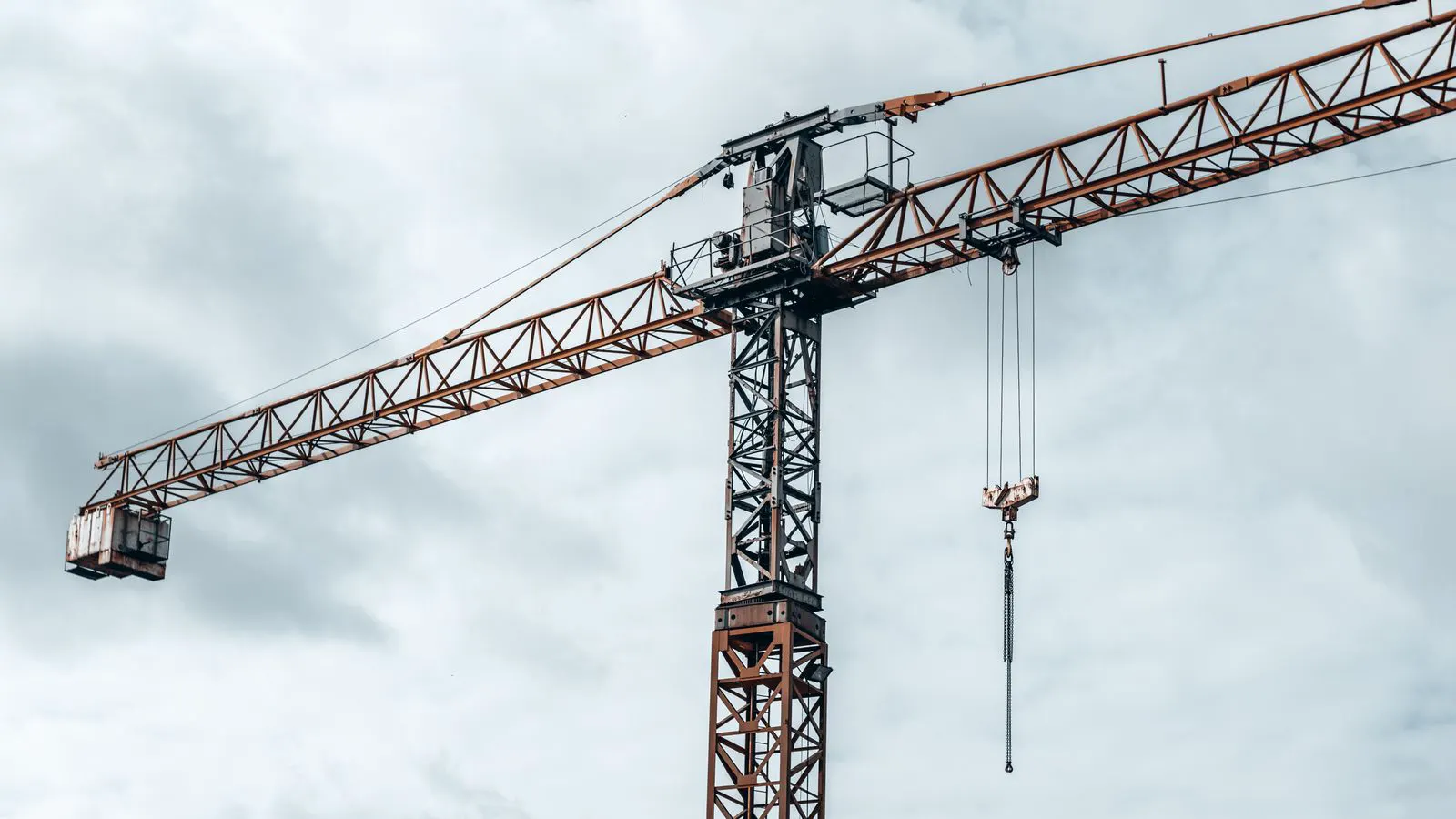
Comparison: Full Service vs Do-It-Yourself Maintenance Costs
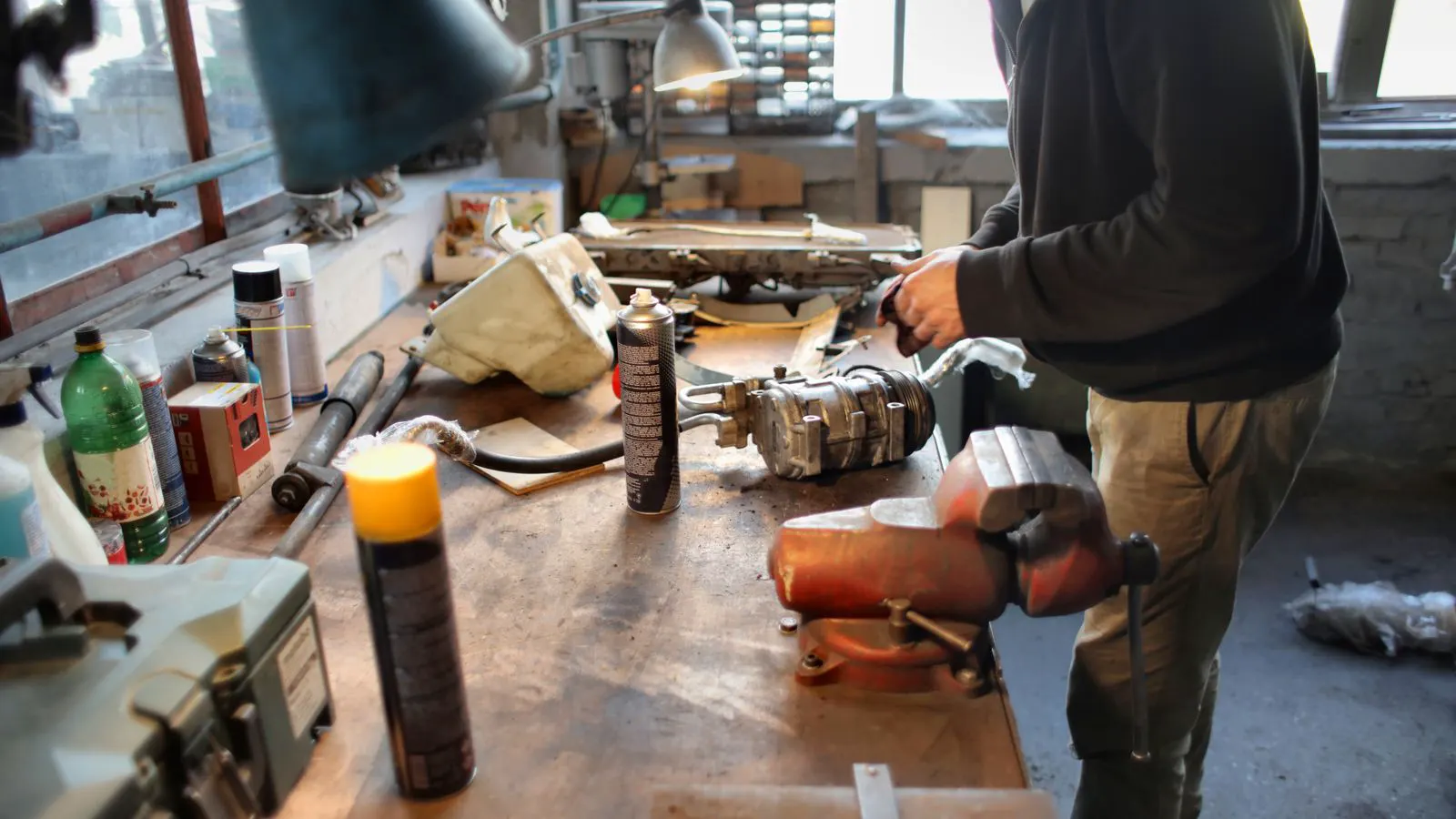
In-house maintenance lowers direct labor rates but requires spare parts inventory and technical skill. Contracted service transfers risk and ensures compliance but carries premium fees. The right choice depends on fleet size, asset criticality, and internal technical capacity.
- In-house maintenance reduces labor costs but requires upfront investment in tools, parts, and trained staff.
- Full service agreements transfer unexpected repair risks but often include higher hourly rates.
- Total cost of ownership analysis must account for downtime, fuel consumption, and equipment lifespan.
- Hybrid models can balance cost control with guaranteed uptime for critical assets.
- Equipment budgeting should factor in maintenance intervals and warranty expiration dates.
How In-House Maintenance Changes the Cost Equation
In-house maintenance shifts the financial burden from external service providers to internal operations. You pay mechanics directly and manage spare parts inventory yourself. This approach typically lowers hourly labor rates compared to external technicians. However, it requires a dedicated workshop, specialized diagnostic tools, and trained personnel.
The cost structure changes significantly. Instead of paying for every hour a technician works on your machine, you pay salaries, benefits, and overtime. You also carry the risk of obsolete parts sitting in storage. For a small fleet with one or two operators, this model often costs more than it saves. For larger fleets, the fixed costs spread across more machine-hours and become manageable.
How Full Service Agreements Shift Risk
Full service agreements transfer maintenance tasks to a provider. The provider handles scheduled servicing, repairs, and often supplies parts. You pay a fixed monthly fee or an hourly rate that is higher than in-house labor. In exchange, you gain guaranteed response times and access to specialized expertise.
The primary advantage is reduced downtime. When a hydraulic pump fails on a load hauler at 06:00, a contracted service team can dispatch a technician with the correct parts. An in-house team may need to source parts, causing delays. For assets that generate revenue every hour, this difference can outweigh the premium service fees.
The limitation is transparency. You may not know exactly how many hours were spent or which parts were used. Some agreements include mileage-based or utilization-based pricing that can become unpredictable during high-demand seasons.
Total Cost of Ownership Comparison
The following table compares the primary options for managing maintenance costs.
| Option | Best for | Limitations |
|---|---|---|
| In-house maintenance | Large fleets with high utilization and internal technical teams | High fixed costs, spare parts inventory risk, variable skill levels |
| Full service agreement | Critical assets, small fleets, or sites with strict uptime requirements | Higher hourly rates, less control over repair methods, potential for over-maintenance |
| Hybrid model | Mixed fleets with some critical assets and some older equipment | Complex contract management, potential gaps between providers, dual accountability |
| Owner-managed with third-party support | Fleets with basic in-house skills but need specialized diagnostics | Requires clear boundaries between internal and external tasks, variable response times |
Total cost of ownership extends beyond direct labor. It includes fuel consumption changes due to maintenance quality. A poorly maintained engine consumes more fuel. It also includes resale value. Well-maintained equipment retains value better. It includes warranty compliance. Missing a scheduled service can void a warranty, turning a minor repair into a major expense.
Equipment Budgeting for Different Fleet Sizes
Equipment budgeting changes based on fleet size. A fleet of five machines requires different planning than a fleet of fifty. With five machines, in-house maintenance may not be cost-effective. You might hire a part-time mechanic or use a mobile service provider. The budget should cover mobile service visits, parts markup, and emergency call-out fees.
With fifty machines, in-house maintenance becomes more attractive. You can employ a lead mechanic and two assistants. You can buy tools in bulk and maintain a central parts warehouse. The budget shifts to salaries, training, and inventory management. You still need to account for specialized tasks like electronic diagnostics, which may require external support.
The transition point depends on machine type. Concrete pumps require specialized knowledge for hydraulic systems and boom controls. Excavators have different wear patterns than trucks. A single maintenance strategy rarely fits all asset classes. Budgeting should separate costs by asset type and criticality.
When to Choose In-House Maintenance
In-house maintenance works best when you have a large, standardized fleet. If you operate ten similar excavators, you develop consistent maintenance routines. You know which filters to change, how to torque specific bolts, and how to diagnose common hydraulic leaks. The learning curve flattens over time.
It also works when you have stable cash flow. In-house maintenance requires upfront investment in tools and parts. If your revenue is seasonal, carrying spare parts inventory can strain your liquidity. You must be confident that the labor savings will cover the initial setup costs.
The main risk is skill gaps. A mechanic who is excellent at engine work may struggle with electronic controls. If your fleet includes newer models with complex diagnostics, you may need to hire specialized technicians, increasing labor costs. You must monitor skill levels and invest in training.
When to Choose Full Service Agreements
Full service agreements suit fleets with high asset criticality. If a machine stops, your project stops. You cannot afford to wait for a parts delivery or for a technician to arrive the next day. Contracted service providers often keep local parts inventories and offer same-day response.
They also suit fleets that lack internal technical capacity. If you have no workshop and no trained mechanics, you need external support. The agreement should specify response times, parts availability, and reporting requirements. You want to know exactly what you are paying for.
The main risk is cost creep. Some providers add charges for expedited service, after-hours work, or specialized parts. You should define these in the contract. You should also review usage reports regularly. If the provider reports more hours than your telematics data shows, you need to investigate.
Hybrid Models and Practical Trade-offs
Hybrid models combine in-house basic maintenance with external specialized repairs. Your team handles oil changes, filter replacements, and tire inspections. You contract a provider for engine rebuilds, major hydraulic repairs, and electronic diagnostics. This approach reduces downtime and controls costs.
The trade-off is complexity. You need clear protocols for when to call the provider. You need a system to track parts used by both your team and the provider. You need to maintain a relationship with the external provider while managing your internal staff.
This model works well for mid-sized fleets. You keep basic skills in-house to reduce routine costs. You outsource specialized work to avoid hiring highly paid specialists for infrequent tasks. The budget should reflect both fixed internal costs and variable external service costs.
Managing Warranty and Compliance Costs
Maintenance costs are not just about labor. They are about keeping your equipment within warranty and meeting regulatory standards. Many manufacturers require documented service intervals to keep warranties valid. If you miss a service or use non-approved parts, you may lose warranty coverage.
In-house maintenance requires strict record-keeping. You need a system to log every service, part replaced, and technician used. If you do not keep these records, you risk disputes with the manufacturer. Contracted service agreements often include warranty compliance as part of the service scope. The provider handles the documentation and ensures the work meets manufacturer specifications.
You should review your warranty terms before choosing a maintenance strategy. Some warranties require service by authorized dealers. Others allow independent service if specific parts are used. The cost of non-compliance can be high. A single missed service can void coverage for thousands of dollars of repairs.
Final Selection Criteria
The choice between in-house and contracted maintenance depends on three factors. Fleet size determines fixed cost efficiency. Asset criticality determines the cost of downtime. Technical complexity determines the need for specialized skills.
Start with a total cost of ownership analysis. List all assets. Estimate annual operating hours. Identify which assets are revenue-generating and which are support equipment. For each asset, calculate the cost of in-house maintenance versus contracted service. Include parts, labor, downtime, and warranty risks.
Do not rely on hourly rates alone. A cheaper rate does not mean a lower total cost if it causes longer repairs or more downtime. A higher rate may be justified if it ensures faster repairs and better equipment lifespan. Your budget should reflect the true cost of keeping your fleet operational and productive.
Frequently asked questions
Is in-house maintenance always cheaper than full service?
No. In-house maintenance lowers labor rates but requires upfront investment in tools, parts, and staff. For small fleets or low-utilization assets, contracted service often costs less when downtime and risk are included.
How do I measure the true cost of maintenance?
Include labor, parts, fuel consumption changes, downtime, and warranty risks. A simple hourly rate comparison misses these factors. Track actual machine hours and revenue lost during repairs.
What is the best model for a small fleet?
A hybrid model usually works best. You handle basic maintenance in-house and contract specialized repairs. This reduces fixed costs while ensuring access to expertise for complex issues.
Can I switch from in-house to contracted service later?
Yes, but review your current parts inventory and tooling. You may need to sell or store equipment. Transitioning may also affect warranty compliance if you have missed service intervals.
How do telematics help with maintenance costs?
Telematics provide real-time data on operating hours, fault codes, and wear patterns. This helps you schedule maintenance before failures occur and verify service reports from providers.