Checklist: Verifying Lease Terms Before Signing Machinery Contracts
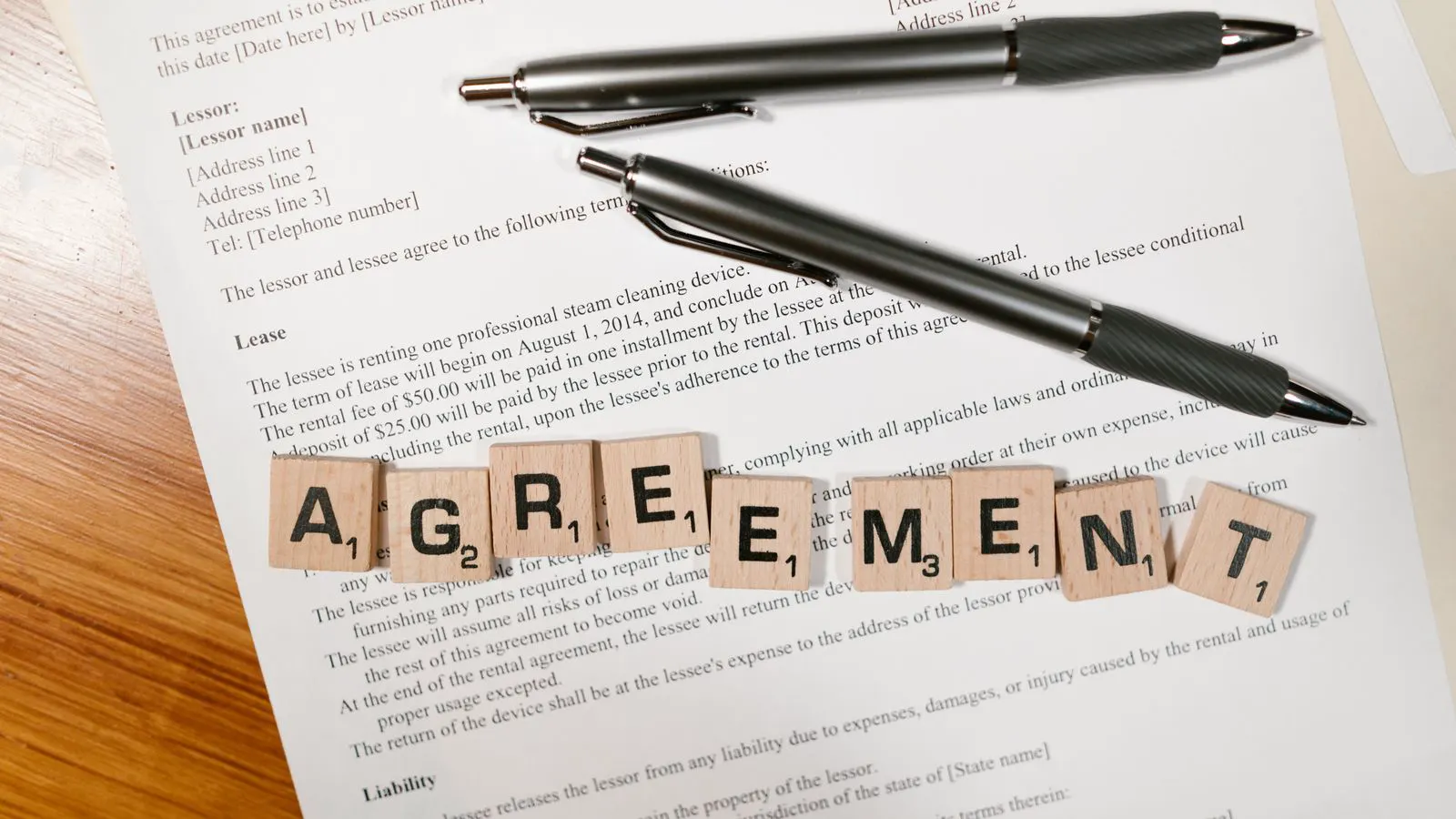
Verify lease terms by checking residual values, maintenance coverage, and total cost of ownership. This checklist helps buyers align machinery financing with project needs, avoid hidden fees, and make informed decisions on lease vs buy options for equipment budgeting.
- Check the residual value clause to understand how equipment depreciation affects the final payment.
- Confirm whether maintenance and repairs are included in the monthly machinery financing payment.
- Review the total cost of ownership to compare lease terms against buying the asset outright.
- Verify default and termination rights to protect your project timeline if equipment fails.
Why Lease Terms Matter Before You Sign
A machinery lease is a contract with long-term consequences. The monthly payment often looks straightforward, but the fine print determines who absorbs risk during the project life cycle. Before signing, treat the contract as a technical document. Read every clause related to payments, maintenance, and ownership transfer.
The difference between a clean lease and a problematic one often comes down to a handful of specific terms. If you miss these, the equipment may perform well, but the financial structure will strain your cash flow.
Financial Structure and Payment Obligations
Start with the money. The payment schedule defines your cash flow requirements. Confirm the payment frequency, due dates, and grace periods. A standard lease pays monthly, but some agreements require quarterly payments. This matters for project-based work where revenue may be tied to milestones rather than calendar months.
Look at the interest rate or finance charge. Some agreements use a fixed rate, while others use a floating rate tied to market indices. A floating rate can shift your total cost if market conditions change during the lease term.
Checklist: Payment Terms
- Payment Frequency: Confirm if payments are due monthly, quarterly, or at project milestones.
-
- Grace Period: Verify the number of days late payment is allowed before penalties apply.
- Late Fees: Identify the specific dollar amount or percentage charged for late payments.
- Prepayment Penalties: Check if paying off the lease early incurs a fee.
Red Flags: A contract that requires prepaying the entire lease upfront to secure a rate. This ties up capital you might need for labor or materials. Also watch for “hidden” fees like documentation charges that appear only in the final invoice.
Maintenance, Service, and Repair Responsibilities
Maintenance is where lease agreements often create friction. A bare-bones lease may shift all repair costs to the operator. A full-service lease may cover parts and labor, but with strict conditions. You need to know exactly what is covered and what is not.
Checklist: Maintenance Coverage
- Routine Service: Confirm who performs oil changes, filter replacements, and coolant top-offs.
- Major Repairs: Determine if the lessor covers engine block failures or hydraulic pump replacements.
- Parts and Labor: Check if the monthly payment covers both parts and technician labor, or just one.
- Usage Limits: Verify if maintenance coverage drops if you exceed specific hourly limits.
Red Flags: A clause that excludes “wear and tear” from coverage. In heavy construction, wear and tear is common. If the lessor defines wear and tear too broadly, you may pay out of pocket for items like track pads or hydraulic hoses that should be covered.
Total Cost of Ownership and Residual Value
The sticker price or monthly payment is not the full cost. You must calculate the total cost of ownership (TCO). This includes the initial down payment, all monthly payments, insurance, and any fees at the end of the lease.
The residual value is the estimated market value of the machine at the end of the lease. This number is critical. If the residual value is high, the monthly payment is lower. However, if the market value drops below the agreed residual, you may owe the difference.
Checklist: Residual Value and TCO
- Residual Value Clause: Verify how the residual value is calculated. Is it a fixed number or based on an index?
- Market Adjustment: Check if the residual value adjusts if the market value of the machinery changes significantly.
- End-of-Lease Buyout: Confirm the formula for buying the machine at the end of the term.
- TCO Calculation: Sum all payments to see if the lease is cheaper than buying a similar used unit.
Red Flags: A fixed residual value that does not adjust for market downturns. If you lease a high-value excavator and the market crashes, the lessor may require you to pay the difference to return the machine or buy it at a loss.
Operational Constraints and Usage Restrictions
Leases often come with usage restrictions. These can limit where you operate the machine or how you use it. A standard lease might allow use within a specific country or state. Some agreements restrict use in corrosive environments or high-altitude sites.
Checklist: Operational Limits
- Geographic Limits: Confirm if the machine can be moved to job sites outside the lease territory.
- Usage Limits: Check if there is a maximum number of operating hours per year.
- Environment Restrictions: Verify if the machine can be used in dusty, salty, or extreme temperature conditions.
- Subletting: Confirm if you can rent the machine to a subcontractor during downtime.
Red Flags: Strict geographic limits. If your project requires moving the machine to a new site across state lines, you may need to renegotiate the lease. Also watch for strict hour limits. If you exceed them, you may face penalties or lose maintenance coverage.
Default, Termination, and Dispute Resolution
The default clause defines what happens if you cannot pay. The termination clause defines how you can end the lease early. These clauses protect the lessor, but you need to understand your own exit options.
Checklist: Default and Termination
- Default Events: Identify what constitutes a default. Is it a single late payment or a pattern of late payments?
- Cure Period: Verify the number of days you have to fix a default before the lessor can take action.
- Termination for Convenience: Check if you can end the lease early without penalty. Most leases do not allow this.
- Dispute Resolution: Confirm if disputes are handled by court or arbitration.
Red Flags: A short cure period. If a bank transfer fails, a two-day cure period may be too short to fix the issue. Also watch for automatic termination clauses. If the machine breaks down and is out of service for 30 days, some lessors may terminate the lease and demand immediate return of the asset.
Insurance and Liability
The lessor requires you to carry insurance. The type and amount of insurance vary. You need to know if you are responsible for liability if the machine injures a worker or damages third-party property.
Checklist: Insurance Requirements
- Property Insurance: Confirm the required coverage amount for the machine itself.
- Liability Insurance: Verify the liability limits for third-party damage or injury.
- Gaps: Check if the policy covers the machine while it is in transit.
- Lessors’ Interest: Confirm if the lessor is listed as a loss payee on the policy.
Red Flags: A policy that excludes the machine while it is being transported to a job site. If the machine is damaged in a truck accident, you may be liable for the full repair cost.
Comparing Lease vs Buy
Before you sign, run the numbers. A lease provides access to equipment without a large upfront payment. A buy purchase gives you ownership and control. The best choice depends on your cash flow, project duration, and equipment needs.
Lease vs Buy Comparison Table
| Feature | Machinery Lease | Equipment Buy |
|---|---|---|
| Upfront Cost | Lower down payment | Higher down payment or full payment |
| Ownership | Transfers at end of term (if bought) | Immediate ownership |
| Maintenance | Often included in payment | Your responsibility |
| Depreciation | Absorbed by lessor | Absorbed by you |
| Flexibility | Can swap equipment at term end | Must sell or store old equipment |
| Total Cost | May be higher over time | Lower over long term |
If your project is short, a lease allows you to return the machine after the job. If you plan to keep the machine for five years, buying may be cheaper. Use your equipment budgeting tools to model both scenarios.
Final Verification Steps
Before you sign, take these final steps.
- Print the Contract: Read the physical copy. Do not rely on the digital version.
- Ask Questions: Write down any clause you do not understand. Ask the lessor to explain it in writing.
- Check the Name: Ensure the company name matches your business registration.
- Verify the Date: Confirm the start date matches your project schedule.
- Keep a Copy: Store a signed copy in your project file.
If the lessor refuses to explain a clause, walk away. A fair lessor will explain the terms. A difficult lessor may be hiding a problem.
Your machinery financing decision affects your project margin. Take the time to verify the terms. A good lease is a tool, not a trap.
Frequently asked questions
Can I buy the machine at the end of the lease?
Most leases offer a buyout option. Check the residual value clause to see the formula for the final price.
What if I need more hours than the lease allows?
You can usually negotiate an extension or upgrade the lease. Check the usage limits clause before signing.
Who pays for the machine if it is stolen?
Your property insurance pays for the machine. The lessor pays for their interest. Verify the policy covers theft.
Can I return the machine early?
Most leases do not allow early return without penalty. Check the termination clause for early exit fees.
Is a lease cheaper than buying?
It depends on the term. A short lease may be cheaper than buying. A long lease may cost more than buying.