Outlook: Fleet Telematics for Real-Time Maintenance Planning
Fleet telematics is moving maintenance from reactive schedules to data-driven actions. Buyers must plan for predictive maintenance, real-time diagnostics, and new data integration to reduce downtime and manage total cost of ownership effectively.
- Fleet telematics shifts maintenance from time-based to condition-based decisions.
- Data integration with existing maintenance software is a primary adoption challenge.
- Real-time alerts reduce unplanned downtime on critical assets.
- Training operators and mechanics on interpreting data is as important as the technology itself.
- Total cost of ownership improves when maintenance timing aligns with actual wear patterns.
The Shift from Calendar Scheduling to Condition Monitoring
Traditional maintenance planning relies on engine hours, filter intervals, and manufacturer service checklists. These schedules work well for predictable usage patterns, but they fail when equipment operates in variable conditions. A backhoe in a dusty quarry wears filters faster than the same model on a clean residential site. Calendar-based service often means unnecessary part replacements or, worse, missed wear on critical components.
Fleet telematics changes this equation. Sensors track engine load, hydraulic pressure, temperature, and vibration in real time. This data allows maintenance teams to see when a component is actually degrading, not just when the service interval arrived. The result is a move from generic schedules to condition-based interventions.
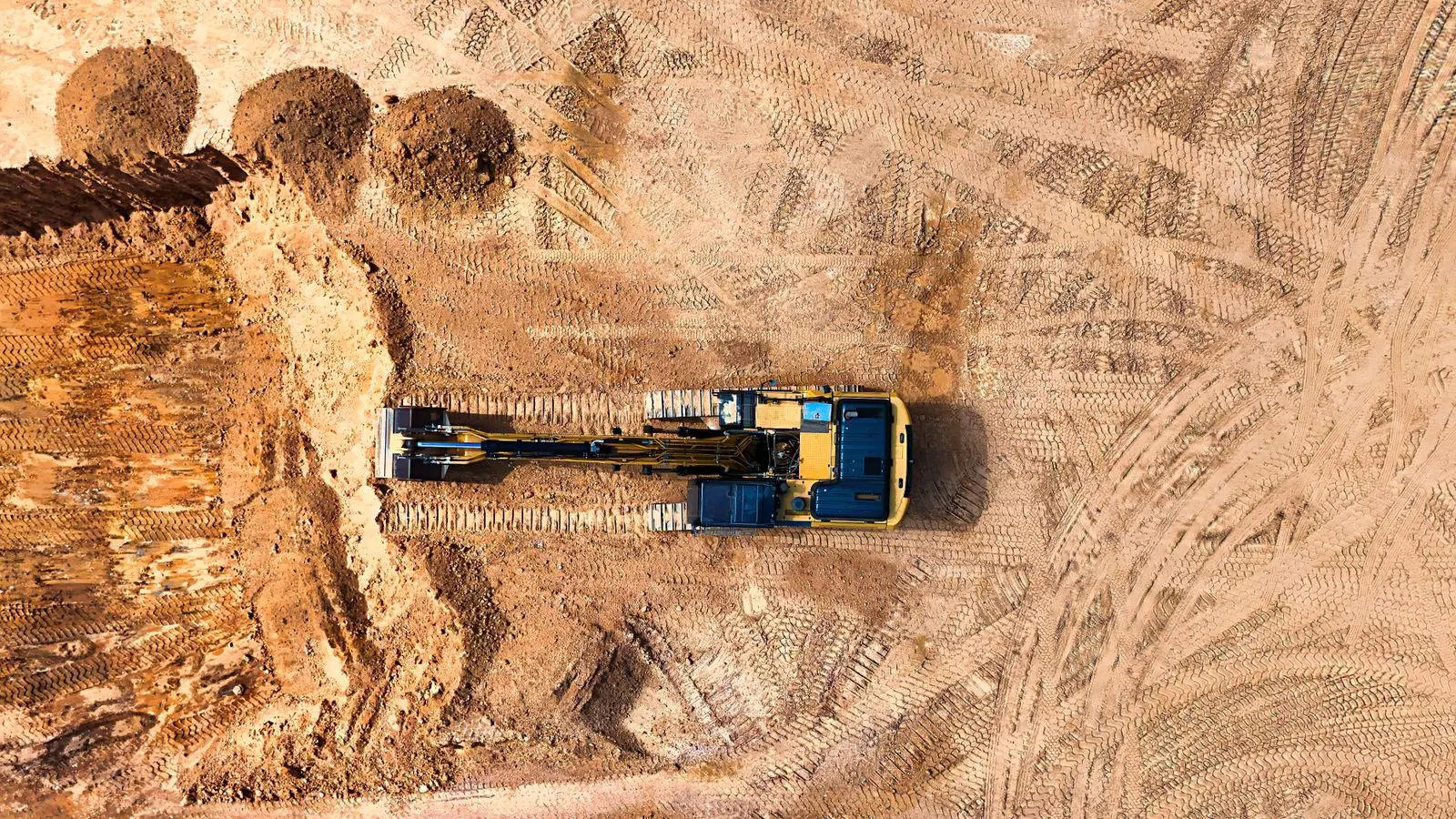
Consider a standard excavator running in a hot desert climate. A calendar schedule might dictate a coolant check every 100 hours. However, if the machine operates near its thermal limit for extended periods, the cooling system may show signs of stress well before that mark is reached. Conversely, the same machine working in cool, low-impact soil might show no signs of thermal stress even after 200 hours. Condition monitoring captures this nuance. It allows the maintenance team to service the machine only when the data supports it, preserving budget and reducing the risk of unnecessary part swaps that can introduce new failure points.
How Telematics Data Feeds Predictive Maintenance
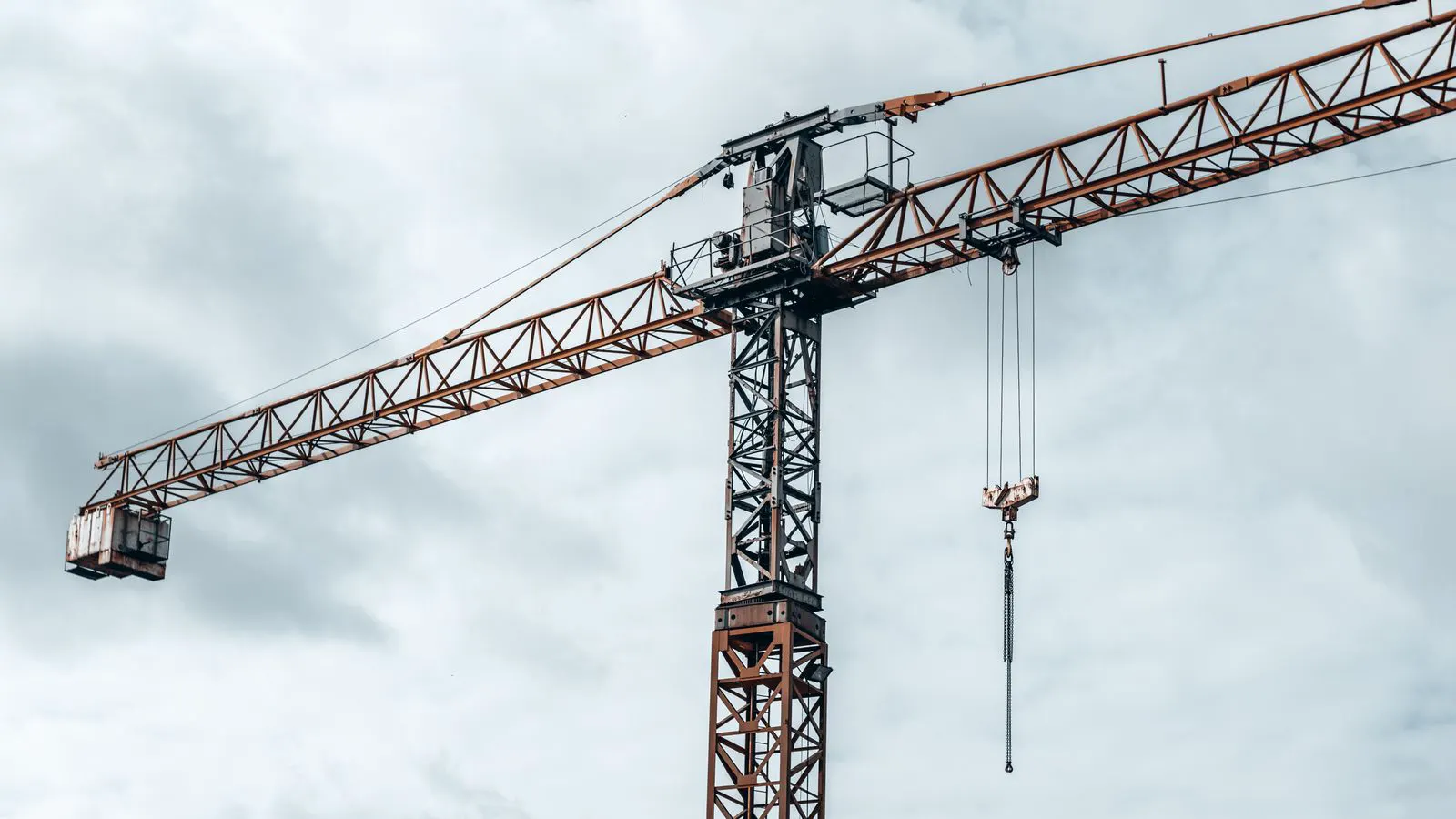
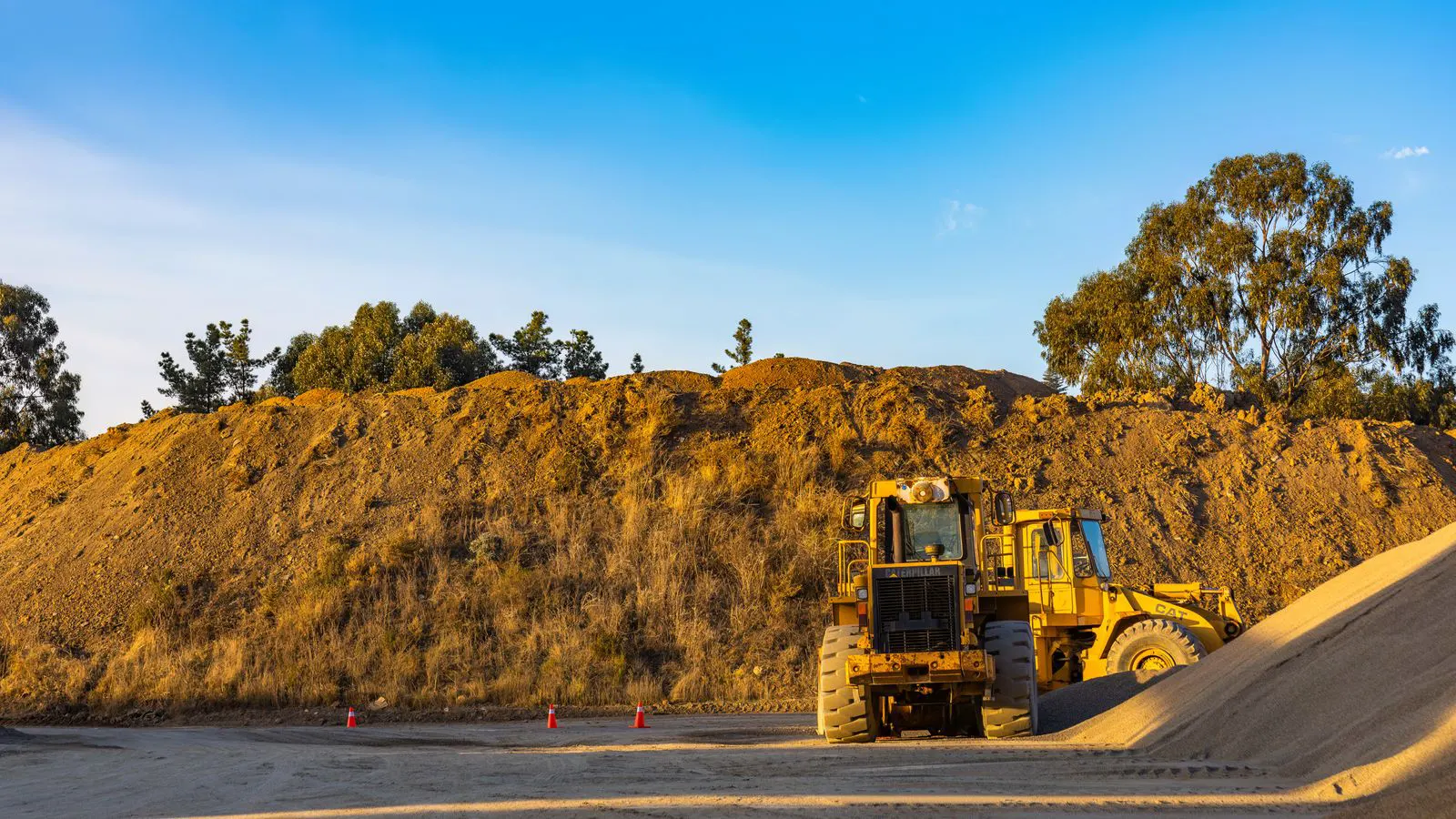
Predictive maintenance uses continuous data streams to forecast failures before they happen. For a wheel loader, the system might flag rising hydraulic fluid temperatures during sustained operation. For a crane, it could monitor structural vibration patterns that indicate bearing wear.
The value lies in the lead time. Instead of discovering a failure during operation, mechanics get a window to schedule work during planned downtime. This reduces emergency repairs, which typically cost more due to overtime, expedited shipping, and production delays. It also extends component life by catching early signs of wear that manual inspections might miss.
Take the example of a hydraulic pump on a large grader. As the pump begins to wear, internal clearances increase. This causes a slight drop in efficiency and a rise in fluid temperature. A manual inspection might not catch this until a leak appears or the pressure drops significantly. Telematics, however, can detect the subtle rise in temperature and pressure fluctuations over several days. The system can then issue an alert indicating that the pump is operating outside its normal efficiency range. The mechanic can then inspect the pump during the next scheduled shutdown, rather than waiting for a sudden loss of hydraulic power on the job site.
Key Data Points That Matter for Maintenance Planning
Not all telematics data is equally useful for maintenance decisions. Focus on parameters that correlate directly with mechanical stress and wear.
| Data Point | Maintenance Indicator | Typical Action |
|---|---|---|
| Engine Oil Temperature | Cooling system stress | Inspect radiator, check coolant levels |
| Hydraulic Fluid Pressure | Pump and valve wear | Verify pressure, check for leaks |
| Vibration Patterns | Bearing or gear wear | Schedule alignment or bearing replacement |
| Fuel Consumption Rate | Engine efficiency and tuning | Check injector timing, air intake |
| Operating Load | Component stress levels | Adjust operational procedures |
These parameters provide early warning signals that do not appear in standard service logs. They turn maintenance from a calendar event into a diagnostic process.
Engine oil temperature is a primary indicator of cooling system health. Consistently high readings suggest a blocked radiator, a failing fan clutch, or low coolant levels. Hydraulic fluid pressure indicates the health of the pump and control valves. A drop in pressure without an external leak can point to internal pump wear or valve spool damage. Vibration patterns are particularly useful for rotating components. Abnormal frequencies in the vibration data can indicate imbalance in a fan or motor, or misalignment in a gear train. Fuel consumption rate serves as a proxy for engine efficiency. A sudden increase in fuel burn, even with the same operating load, can signal dirty air filters, poor injector timing, or excessive engine load.
Integrating Telematics with Existing Maintenance Systems
Most construction fleets already use maintenance software, service records, and asset management tools. Telematics data must flow into these systems to be useful. Standalone dashboards create information silos that mechanics ignore.
Integration requires standard data formats and API connections. Many newer machines offer open data ports, but older equipment may need retrofit sensors. The challenge is not just connectivity but data normalization. Converting raw sensor readings into actionable maintenance tasks requires clear logic and thresholds.
Buyers should evaluate whether telematics providers offer native integrations with major maintenance platforms. Manual data entry defeats the purpose of real-time monitoring. The system should push alerts directly to the maintenance team’s workflow, not just display them on a screen.
For instance, if a telematics platform detects abnormal vibration in a crane’s slew bearing, it should generate a work order in the existing maintenance software. This work order should include the specific sensor readings, the timestamp, and a suggested inspection procedure. The mechanic can then pull up the digital record while walking the site. This eliminates the gap between data collection and physical action. Without integration, the mechanic might receive an alert on a tablet but have to manually transcribe the data into a paper log or a separate database. This manual step introduces errors and delays, reducing the effectiveness of the predictive model.
The Impact on Maintenance Costs and Budgeting
Maintenance costs are a major line item in fleet budgeting. Telematics affects this cost in three ways. First, it reduces unnecessary service events. Second, it prevents catastrophic failures that require major rebuilds. Third, it optimizes parts inventory by providing accurate forecasts of what components will need replacement.
This changes how finance and operations teams plan. Instead of allocating a fixed percentage of asset value for maintenance, budgeting can become more granular. Teams can reserve funds for specific components based on predicted wear. This reduces cash flow volatility and improves forecasting accuracy.
The cost structure also shifts from labor-intensive inspections to data analysis. Mechanics spend less time on routine checks and more time on corrective work. This requires a different skill set, which affects training budgets and staffing plans.
Consider a fleet of ten excavators. A traditional budget might allocate 5% of the fleet’s total value for maintenance each year. This is a rough estimate that may not reflect the actual wear patterns. Telematics allows the finance team to see that three excavators are operating in highly abrasive conditions, while the other seven are running in mild soil. The budget can then be adjusted to allocate more funds for filters and undercarriage parts for the three high-wear machines. This targeted approach prevents overspending on low-wear assets and ensures adequate funds for high-wear assets.
Operational and Cultural Shifts Required
Technology alone does not change maintenance culture. Operators must understand that their driving habits affect equipment health. Aggressive operation accelerates wear and generates data that triggers early maintenance alerts.
Mechanics must learn to interpret data alongside physical inspection. A sensor reading is a hypothesis, not a diagnosis. They must verify findings with traditional checks before committing to repairs. This combination of digital and manual expertise is the new baseline for maintenance teams.
Management must accept that some maintenance delays are acceptable. The goal is not zero downtime but optimized downtime. This requires trust in the data and willingness to adjust operational schedules around predicted maintenance windows.
The operator’s role is critical. An operator who constantly operates the hydraulic system at maximum pressure will generate vibration and temperature data that triggers alerts much sooner than an operator who uses smooth, controlled movements. Training programs must include modules on how operating style impacts equipment lifespan. Mechanics must be trained to question the data. For example, a high vibration reading might indicate a bearing issue, or it could be caused by a loose component that was recently moved. The mechanic must inspect the physical component to confirm the diagnosis before ordering expensive parts.
Management must shift their mindset from “downtime is bad” to “downtime is a cost to be managed.” If a bearing is predicted to fail in 50 hours, scheduling a repair during a planned weekend shutdown is more cost-effective than allowing the machine to break down on a Tuesday afternoon. This requires coordination between the operations team and the maintenance team. The operations team must be willing to adjust the work schedule to accommodate the maintenance window.
Preparing Your Fleet for Telematics Adoption
Before purchasing telematics, conduct an assessment of current maintenance practices. Identify which assets have the highest downtime costs and which components fail most frequently. This helps prioritize where to deploy sensors first.
Review your existing data infrastructure. Can your maintenance software handle incoming sensor streams? Are your team members trained to interpret digital alerts? Budget for both hardware and the human capital required to manage the transition.
Start with a pilot program on a subset of critical assets. Measure the impact on maintenance scheduling, downtime, and repair costs. Use this data to refine thresholds and workflows before fleet-wide deployment.
The pilot program is the most important phase of the adoption process. It allows the fleet to test the technology in a controlled environment. Choose a small group of machines that represent the variety of operating conditions in the fleet. For example, include one machine working in a quarry and one working in a residential site. This comparison will help the team understand how operating conditions affect sensor data. During the pilot, measure the accuracy of the alerts. How many alerts were false positives? How many actual failures were caught early? Use this data to adjust the thresholds in the telematics platform. If the system is too sensitive, it will generate too many false alerts, causing alert fatigue. If it is too insensitive, it will miss early signs of wear.
The Road Ahead: From Data Collection to Decision Intelligence
The next phase of fleet telematics moves from simple data collection to decision intelligence. Artificial intelligence and machine learning will analyze historical patterns to recommend specific actions. The system will not just say “bearing wear detected” but “replace bearing within 50 hours based on similar failure patterns across your fleet.”
This requires clean, consistent data over time. Every maintenance event, sensor reading, and operational context must be logged accurately. The quality of decisions depends on the quality of the historical record.
Buyers should look for providers who invest in data analytics, not just data transmission. The value of telematics lies in the insights, not the raw numbers. As the technology matures, the competitive advantage will belong to fleets that turn maintenance data into a strategic asset rather than an administrative burden.
The transition to decision intelligence relies on the accumulation of data. A new fleet will not have enough historical data to provide accurate predictions. The system must be used consistently for a period of time to build a baseline of normal operation. Once this baseline is established, the system can identify deviations and predict failures with greater accuracy. This is why data quality is so important. If maintenance records are incomplete or inconsistent, the system will not be able to build an accurate baseline.
Final Considerations for Fleet Managers
The transition to telematics-driven maintenance is not a one-time purchase. It is an ongoing process of refinement and integration. Each season, each project, and each fleet change will require adjustments to thresholds and workflows.
Focus on the operational benefits rather than the technology itself. The goal is a fleet that runs longer, costs less to maintain, and provides predictable service. Telematics is the tool that makes this possible, but it must be implemented with clear objectives and proper support.
Fleet managers must be prepared to adapt. As the fleet grows or shrinks, and as operating conditions change, the telematics system must be adjusted to reflect these changes. This requires a dedicated point of contact within the fleet who is responsible for managing the telematics system. This person must be able to communicate with the maintenance team, the operations team, and the telematics provider. They must be able to interpret the data and make decisions about how to adjust the system. This role is critical for the long-term success of the telematics program.
Frequently asked questions
How does fleet telematics differ from basic machine monitoring?
Basic monitoring tracks engine hours and simple alerts. Telematics provides real-time data on multiple parameters like hydraulic pressure, temperature, and vibration, enabling condition-based maintenance decisions.
What is the typical cost to implement telematics on a fleet?
Costs vary widely based on fleet size, machine age, and data integration requirements. Newer machines often have built-in capabilities, while older equipment may require retrofit sensors.
Can telematics replace traditional maintenance schedules?
No. Telematics complements manufacturer schedules by adding condition-based data. The most effective approach combines both, using schedule data as a baseline and telematics for adjustments.
How long does it take to see cost savings from predictive maintenance?
Savings typically appear within the first year as unplanned downtime decreases and unnecessary service events are reduced. The exact timeline depends on fleet size and initial maintenance practices.
What skills do mechanics need to work with telematics data?
Mechanics need basic digital literacy to interpret dashboards and alerts. They must still rely on physical inspection to verify findings. Training should focus on the relationship between data patterns and mechanical wear.