Troubleshooting: High Hydraulic Pump Noise in Load Haulers
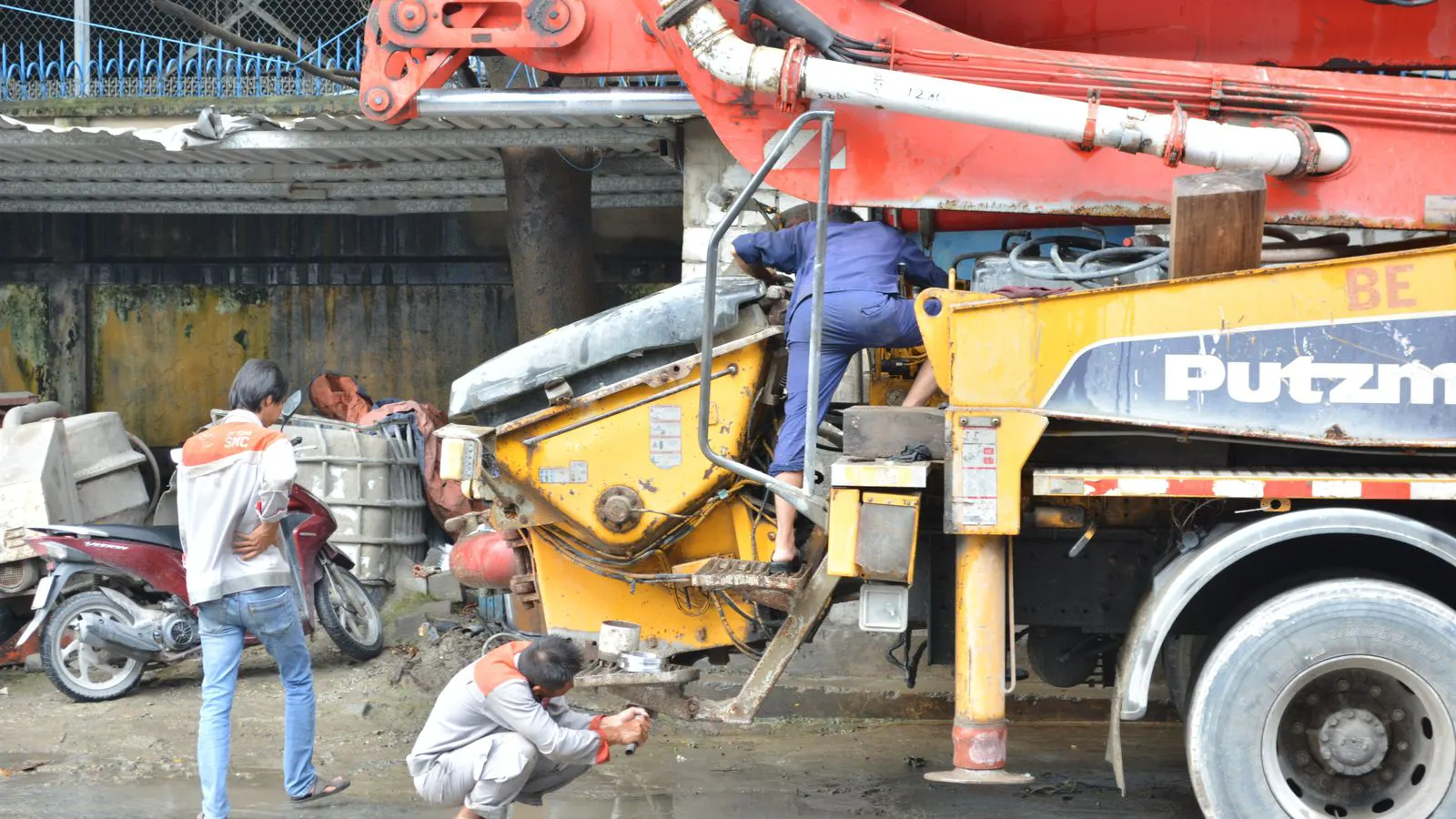
High hydraulic pump noise signals cavitation, low fluid levels, or worn internal components. This guide lists symptoms, likely causes, and practical fixes to help operators identify root causes quickly and reduce downtime.
- High hydraulic pump noise in load haulers typically points to cavitation, low fluid levels, or worn internal components.
- Operators should check suction line restrictions, fluid condition, and pressure settings before assuming major mechanical failure.
- Regular inspection of filters, hoses, and seals prevents most noise-related faults before they escalate into costly repairs.
What does abnormal hydraulic pump noise indicate
Load haulers rely on hydraulic systems to handle high load cycles, aggressive tipping, and continuous transmission of force. When the pump begins to make noise beyond normal operating range, it signals something wrong in the hydraulic circuit. The noise usually comes from the pump itself, the suction side, or the control valve.
The most common cause is cavitation. This occurs when air enters the fluid or pressure drops below the vapor pressure threshold. The result is tiny bubbles that collapse violently inside the pump chambers. The sound is often described as a grinding, rattling, or knocking noise. It can also sound like a high-pitched whine depending on the pump type.
Another common cause is low hydraulic fluid level. When the pump does not get enough fluid to fill its chambers, it draws air into the system. The noise pattern changes with load. It may be loudest when the loader is fully loaded or when the pump is at maximum pressure.
Worn internal components can also create noise. A pump with worn bearings, cracked housing, or damaged vanes will produce irregular knocking or grinding. This type of noise usually gets worse over time and is not always related to fluid condition.
How to identify the symptom
Before opening the pump or replacing parts, operators should identify the exact nature of the noise. The symptom pattern helps narrow down the cause.
A grinding or rattling noise at idle often points to low fluid level or air ingress. The noise may decrease when the operator slowly fills the reservoir or when the system is bled. A high-pitched whine that increases with pressure usually indicates cavitation or internal wear. A deep knocking sound that changes with load can signal bearing damage or a failing seal.
Operators should also note when the noise appears. Does it happen only during high load? Only after the machine has been parked? Only in cold weather? Only after the pump has been running for a while? These clues matter. A noise that appears only in cold weather suggests fluid viscosity issues or poor heating. A noise that appears after parking suggests air in the system or a leaking suction seal.
Troubleshooting high hydraulic pump noise in load haulers
| Symptom | Likely cause | What to do |
|---|---|---|
| Grinding or rattling noise at idle | Low hydraulic fluid level or air ingress | Check reservoir level, inspect suction hose for leaks, bleed the system |
| High-pitched whine that increases with pressure | Cavitation from restricted suction line or worn pump | Clean suction filter, check for hose collapse, inspect pump for internal wear |
| Deep knocking sound that changes with load | Worn bearings or cracked pump housing | Inspect pump shaft and housing, check for metal particles in fluid, replace pump if needed |
| Noise only in cold weather | Fluid too thick for low temperatures | Use correct fluid viscosity for operating conditions, install heater if needed |
| Noise after machine has been parked | Air trapped in suction line or leaking seal | Check suction hose connections, inspect reservoir cap seal, bleed system |
| Noise that worsens over time | Worn vanes or damaged internal seals | Perform fluid analysis, check for metal contamination, replace pump or seals |
Common causes and what to check
The suction side of the hydraulic system is the first place to inspect. A restricted suction line is one of the most common causes of pump noise. The suction hose can kink, collapse, or become partially blocked by debris. The suction filter can clog with particles from the reservoir. The reservoir cap vent can also restrict airflow, creating a vacuum that prevents fluid from flowing properly.
Check the suction hose for kinks, cracks, or internal damage. Inspect the filter for clogging. Verify that the reservoir cap vent is open and not blocked by dust or grime. If the suction line is long or runs over a hot engine component, it may expand and contract during operation, causing intermittent noise.
The hydraulic fluid itself matters. Old or contaminated fluid can contain air, water, or particulates. Water in the fluid changes the compressibility and can cause noise. Particulates can wear pump surfaces and create irregular noise. Operators should check fluid level and condition before assuming a mechanical fault. If the fluid is dark, milky, or contains visible particles, it needs attention.
Pressure settings also affect noise. If the relief valve is set too high, the pump works against excessive pressure. This can cause overheating and internal stress. If the setting is too low, the pump may cavitate under load. Operators should verify settings against the machine specification and not rely on guesswork.
Fixing the noise without replacing the pump
Many noise complaints can be resolved without pulling the pump. The first step is to address fluid level and air ingress. Drain and refill the reservoir if the level is low. Bleed the system by cycling the controls slowly until the noise stops. Inspect all suction line connections and replace any damaged O-rings or clamps.
If the suction filter is clogged, replace it. If the hose is damaged, replace it. If the reservoir cap vent is blocked, clean it. These steps are quick and inexpensive. They solve a large share of noise complaints.
If the noise persists, check the fluid condition. A fluid analysis can reveal water contamination, metal particles, or degraded additives. If contamination is present, change the fluid and flush the system. In many cases, this stops the noise without pump replacement.
If the pump itself is worn, replacement or rebuild is needed. Worn vanes, damaged bearings, or cracked housing cannot be fixed with fluid changes. The pump should be removed, inspected, and rebuilt or replaced. A rebuilt pump is often less expensive than a new one and performs to the same standard.
Prevention tips for load hauler maintenance
Preventing hydraulic pump noise starts with routine maintenance. Operators and maintenance teams should inspect the hydraulic system at every service interval. This includes checking fluid level, fluid condition, suction hose, suction filter, and reservoir cap.
Use the correct hydraulic fluid for the machine and operating conditions. Fluid viscosity affects pump performance and noise. Too thick fluid in cold weather increases resistance and noise. Too thin fluid in hot weather reduces lubrication and increases wear. The correct viscosity range is specified by the machine manufacturer.
Keep the suction line clean. Debris from the work site can enter the reservoir and clog the suction filter. A clogged suction filter is a direct path to cavitation. Install a fine mesh strainer in the reservoir if the machine operates in dusty or dirty conditions.
Monitor the pump during operation. Operators should listen for changes in noise and note them in the machine log. A small change in sound can indicate a developing fault. Early detection prevents major failures.
Train operators to report unusual noises immediately. Do not ignore a new sound. Do not run the machine for days with a grinding pump. A few hours of operation can turn a minor fault into a major repair.
When to call a hydraulic technician
Some noise issues are beyond the scope of basic maintenance. If the noise includes metal particles in the fluid, a visible leak from the pump housing, or a shaft that turns with excessive play, the pump needs professional inspection. A hydraulic technician can disassemble the pump, inspect internal components, and determine whether a rebuild or replacement is needed.
A technician can also perform a pressure and flow test to verify pump performance. This test checks whether the pump is still within specification. If the pump is losing efficiency, it will draw more power and create more heat. Replacing it before it fails prevents damage to the transmission and other hydraulic components.
Do not attempt to bypass the relief valve or increase pressure to “quiet” the noise. This can damage the pump and other components. The noise is a symptom, not a nuisance to be suppressed.
Frequently asked questions
Can hydraulic pump noise in a load hauler be caused by low fluid level?
Yes, low fluid level is one of the most common causes. The pump draws air into the system, which creates a grinding or rattling noise. Check the reservoir level and bleed the system before assuming a mechanical fault.
Is hydraulic pump noise always a sign of pump failure?
No. Many noise complaints are caused by air ingress, restricted suction lines, or contaminated fluid. These issues can be fixed with simple maintenance. Only a portion of noise complaints require pump replacement.
How often should the suction filter be replaced?
The replacement interval depends on operating conditions and fluid condition. In dusty or aggressive environments, the suction filter may need to be checked and replaced more frequently. A clogged suction filter is a direct cause of cavitation and noise.
Can using the wrong hydraulic fluid cause pump noise?
Yes. Fluid with the wrong viscosity can increase resistance, reduce lubrication, or change compressibility. This can create noise and accelerate wear. Use the fluid specified by the machine manufacturer for the operating conditions.
Should operators report hydraulic pump noise immediately?
Yes. A small change in sound can indicate a developing fault. Running the machine with a noisy pump can turn a minor repair into a major failure. Report the issue and stop the machine if the noise is severe.