Explainer: How Fleet Depreciation Affects Equipment Budgeting
Machinery depreciation reduces the book value of heavy equipment over time. Accurate equipment budgeting requires tracking residual value, maintenance, and financing costs to align purchase timing with fleet needs.
- Depreciation schedules determine when replacement costs hit the annual budget.
- Total cost of ownership includes purchase price, fuel, repairs, and residual value.
- Matching asset useful life with project duration prevents cash flow gaps.
- Tracking service history and hours helps predict real-world depreciation.
- Financing choices alter monthly cash flow but do not remove the need for replacement reserves.
What Machinery Depreciation Means for Cash Flow
Machinery depreciation is the reduction in the book value of equipment as it ages and accumulates operating hours. It is not a cash outflow when it happens. Instead, it represents the loss of value that must be recovered before the next unit is purchased. For fleet managers, this timing mismatch is where budgeting problems often begin.
A machine bought today may hold significant resale value after three years. That value drops further after five. If the annual budget only covers fuel and routine maintenance, the company has no reserve for the large capital expenditure required when the unit is finally retired. The depreciation schedule acts as a hidden line item in the long-term financial plan.
How Depreciation Schedules Shape Purchase Timing
Different depreciation methods affect how the asset is viewed on the balance sheet. Straight-line depreciation reduces value evenly over the expected useful life of the machine. Accelerated depreciation applies a larger charge in the early years, reflecting the fact that heavy equipment often loses more value and suffers more wear in its first few seasons.
The choice of schedule influences tax reporting and internal cash flow planning. A fleet that uses accelerated depreciation will show higher expenses early on. This can strain short-term budgets but may offer tax benefits. Straight-line depreciation provides a smoother financial picture but may delay the recognition of value loss. When sourcing new equipment, managers should align the chosen schedule with the actual project horizon. If a project lasts four years, a five-year asset may retain more value at the end, but the budget must account for that remaining equity.
The Role of Total Cost of Ownership
Total cost of ownership extends beyond the sticker price. It includes the initial purchase or lease payment, fuel consumption, operator wages, maintenance parts, insurance, and the residual value at the end of the life cycle. Ignoring residual value in total cost of ownership calculations leads to overestimating the true cost of ownership.
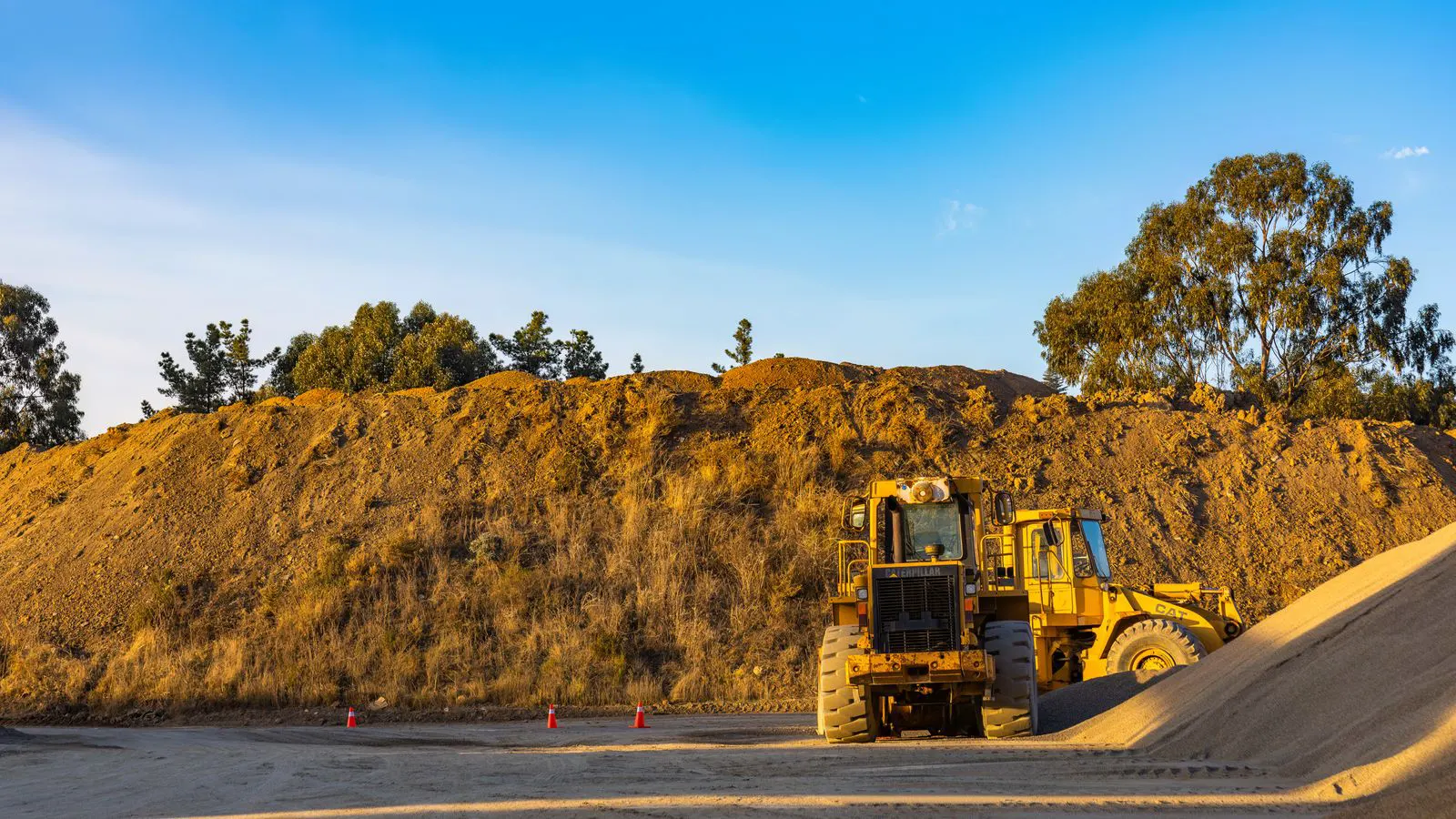
A track loader used in a high-abuse environment will depreciate faster than one used in lighter earthmoving tasks. The service history and operating hours are key indicators of this wear. High fuel consumption or frequent repairs signal that the machine is aging faster than the standard schedule. When comparing two units for a fleet, the one with a lower purchase price may have a higher total cost of ownership if it requires more frequent component replacement.
A Worked Example in Plain Words
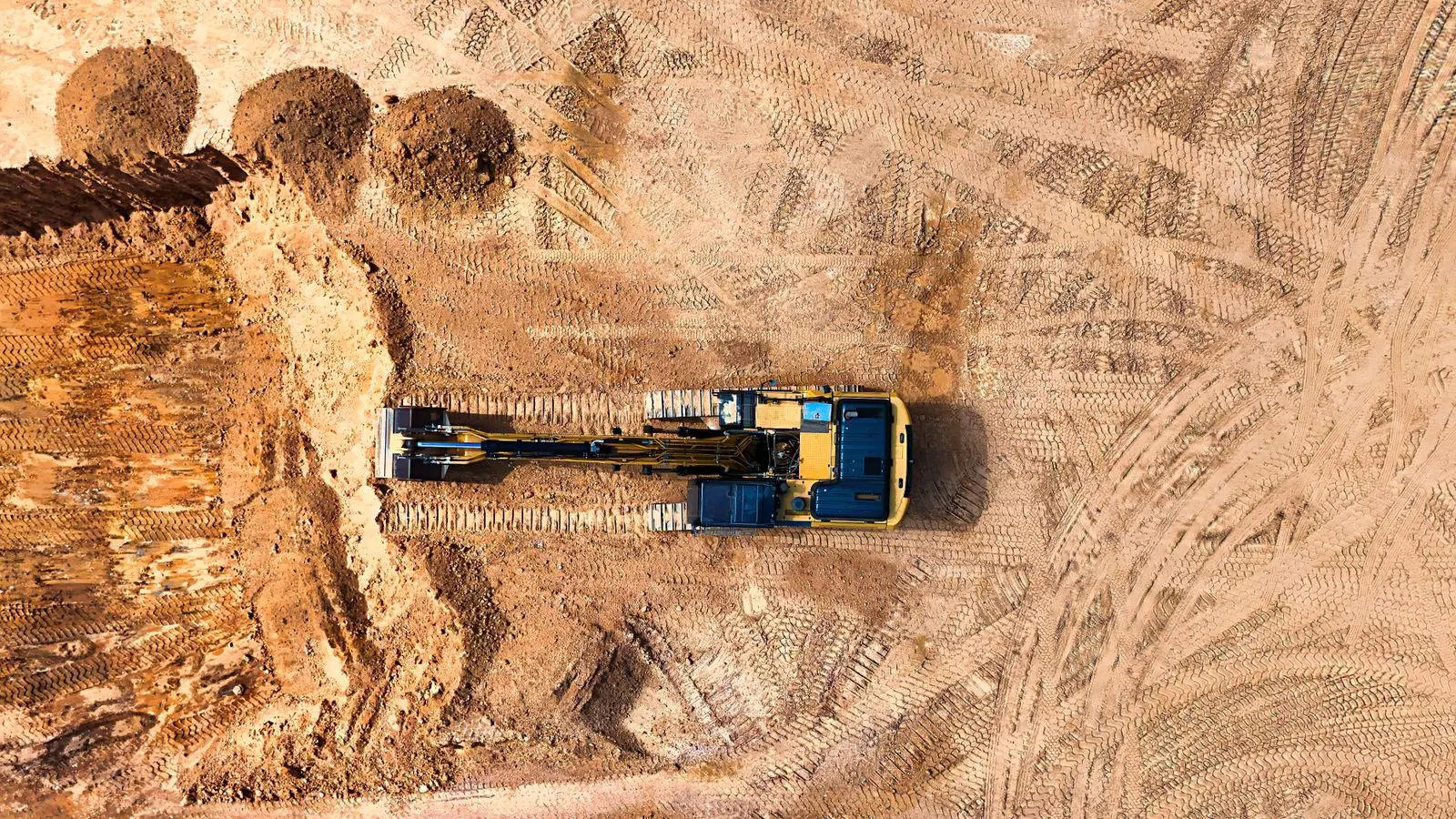
Consider a fleet that buys a single hydraulic excavator for a five-year project. The machine costs a certain amount upfront. Over the five years, the operator logs regular hours, and the service team performs scheduled maintenance. At the end of year five, the machine is sold or traded in. The amount received from the sale is subtracted from the original cost. This difference represents the net capital loss for that project.
If the fleet had budgeted only for the purchase price and fuel, the cash required to buy the next excavator would come from an unexpected source. By setting aside a portion of the annual operating budget equal to the estimated annual depreciation, the company creates a replacement reserve. This reserve ensures that the next purchase does not disrupt ongoing operations or require emergency financing. The worked example shows that depreciation is a planning tool, not just an accounting entry.
Financing Options and Their Impact on Depreciation
Financing choices do not change the underlying depreciation of the machine, but they change the timing of cash payments. A bank loan requires fixed monthly principal and interest payments. A lease may require lower initial payments but a larger payment at the end of the term. Deferred payment plans allow the buyer to delay a portion of the purchase price until the machine has generated revenue.
Each method affects the equipment budgeting process in a different way. A loan ties up cash flow for the duration of the term. A lease may allow the fleet to match the payment schedule to project cash inflows. However, all methods require the fleet to plan for the point when the asset is no longer on the books. If the machine is sold before the end of a loan term, the buyer must settle the remaining balance from the sale proceeds. This can reduce the replacement reserve if the residual value is lower than expected.
Common Budgeting Mistakes to Avoid
One common mistake is treating depreciation as an expense that disappears after the machine is bought. It is actually the cost of using the asset over time. Another error is ignoring the condition of the machine when calculating residual value. A unit with a complete service history and low hours will command a better price on the secondary market than one with a gap in maintenance records.
Managers should also avoid overestimating the useful life of equipment. Heavy machinery is often pushed beyond its standard service interval to meet project deadlines. This accelerates wear and reduces the time the machine can be sold for a fair price. Regularly reviewing the service history and comparing actual operating hours against the budgeted hours helps correct these assumptions.
Aligning Fleet Strategy with Depreciation
To keep the fleet aligned with the budget, managers should review the depreciation schedule at least annually. This review includes checking the current market value of the units, assessing the condition of the fleet, and updating the residual value estimates. If a machine is underperforming or costs more to maintain than expected, it may be better to sell it earlier than planned.
The goal of equipment budgeting is to ensure that the fleet always has the right mix of assets for the work at hand. Depreciation is the bridge between the current fleet and the future one. By treating it as a core part of the financial plan, fleet managers can avoid the shock of sudden capital needs. The process is simple but requires discipline. Track the hours, review the service records, and set aside funds for replacement as part of the regular budget cycle.
How to Track Real-World Value Loss
Tracking the real-world value loss of a machine involves comparing the book value with the actual market value. The book value is calculated using the depreciation schedule. The market value is determined by checking comparable units with similar hours and condition. If the market value is consistently lower than the book value, the fleet is overestimating the asset.
If the market value is higher, the fleet may be underestimating the residual value. In either case, the budget needs adjustment. A detailed service history helps explain these differences. A machine with regular oil changes, filter replacements, and documented repairs will hold its value better than one with ad-hoc maintenance. When sourcing new equipment, buyers can use this tracking data to negotiate better terms or plan for a smoother transition when the current unit is retired.
| Budgeting Factor | Effect on Equipment Budgeting |
|---|---|
| Depreciation Schedule | Determines annual capital reserve requirements |
| Operating Hours | Accelerates or slows value loss |
| Service History | Influences residual value at sale |
| Financing Term | Alters monthly cash flow but not total cost |
| Project Duration | Aligns asset life with revenue generation |
| Maintenance Costs | Reduces net profit available for replacement |
The Bottom Line for Fleet Managers
Equipment budgeting is not just about buying the right machine. It is about managing the value of that machine over time. Machinery depreciation is the mechanism that turns a capital purchase into an operating expense. By understanding how depreciation affects cash flow, total cost of ownership, and replacement timing, fleet managers can build a budget that supports long-term growth. The process requires regular review and accurate data, but the result is a fleet that is always ready for the next job.
Frequently asked questions
How does depreciation affect the monthly operating budget?
Depreciation itself is a non-cash charge, but it indicates how much capital must be set aside each month to replace the machine. Including this in the operating budget prevents cash shortages when the unit is retired.
What is the difference between book value and residual value?
Book value is the calculated asset value on the balance sheet based on the depreciation schedule. Residual value is the actual amount the machine can be sold for in the market at the end of its useful life.
Can a lease improve equipment budgeting?
A lease can smooth out cash flow by matching payments to project revenue. However, it does not eliminate the need to plan for the cost of the next machine when the lease term ends.
How do operating hours impact machinery depreciation?
Higher operating hours increase wear and tear, which reduces the machine's value faster. This often leads to a lower residual value and a shorter useful life than the standard schedule suggests.
What documents should I keep to support my depreciation estimates?
Keep detailed service records, maintenance logs, and operator hours. These documents prove the condition of the machine and help justify the residual value when selling or trading in the equipment.