Cost of Ownership: Excavators vs Track Loaders
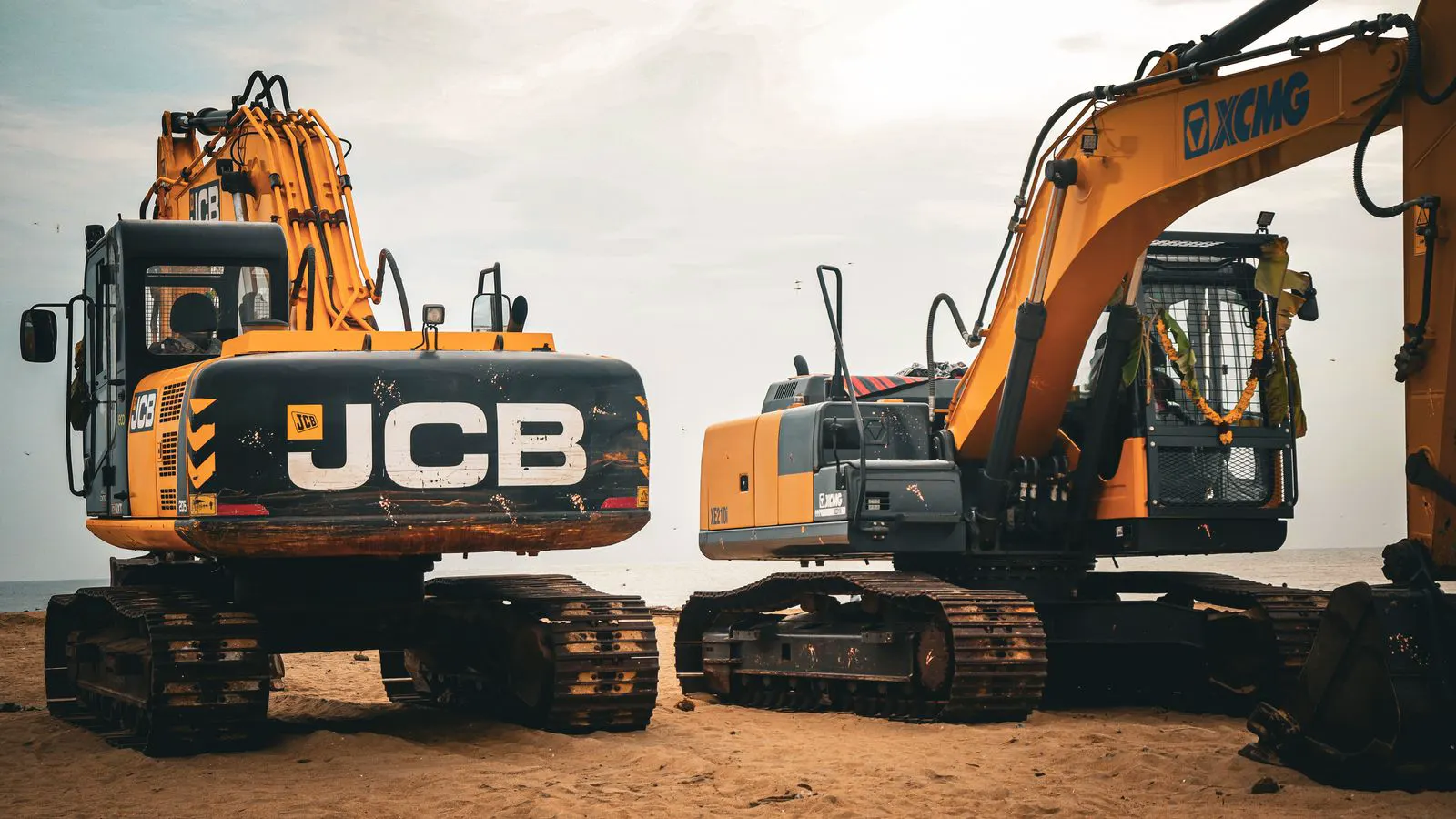
The cost of ownership for excavators and track loaders depends on the job site. Excavators generally cost more to maintain but handle complex digging. Track loaders have lower maintenance costs but face higher tire and track wear. Choose based on specific site requirements.
- Excavators typically have higher upfront costs and complex hydraulic systems, leading to higher maintenance expenses.
- Track loaders offer a simpler mechanical layout, which often reduces repair frequency and labor time.
- Fuel consumption varies based on machine size and the specific earthmoving task required.
- Resale value depends on the machine's condition, local demand, and the specific model's age.
- Calculating total cost of ownership requires tracking fuel, parts, labor, and depreciation over a set period.
What drives the cost of ownership?
Cost of ownership is the total financial burden of running a machine. It includes the purchase price, fuel, maintenance, parts, labor, insurance, and the machine’s residual value. Two machines can have similar sticker prices but very different operating costs. An excavator might cost less to buy than a track loader, but its hydraulic system could demand more frequent service. A track loader might be more expensive to buy, but its mechanical drive train could last longer with basic upkeep.
You need to look at the machine as a system. A hydraulic cylinder seals a hose. A track pin wears a roller. A loader bucket tooth takes impact. Each of these components has a failure mode and a repair cost. The machine with the lowest annual operating cost is usually the one that matches the job profile.
How do excavators and track loaders compare?
The table below outlines the primary cost differences between the two machines. This comparison assumes similar operating hours and comparable machine classes.
| Option | Best for | Limitations |
|---|---|---|
| Excavator | Precision digging, narrow sites, trenching | Higher hydraulic maintenance costs, complex diagnostics |
| Track Loader | General earthmoving, hauling material, mixed tasks | Higher wear on tracks and tires, less precise digging |
| Mini Excavator | Tight urban work, small trenches | Lower payload, limited reach, higher hourly wear rate |
| Wheel Loader | High-speed material transport, open sites | No digging capability, higher tire replacement cost |
| Large Track Loader | Heavy material handling, rough terrain | High fuel consumption, expensive replacement parts |
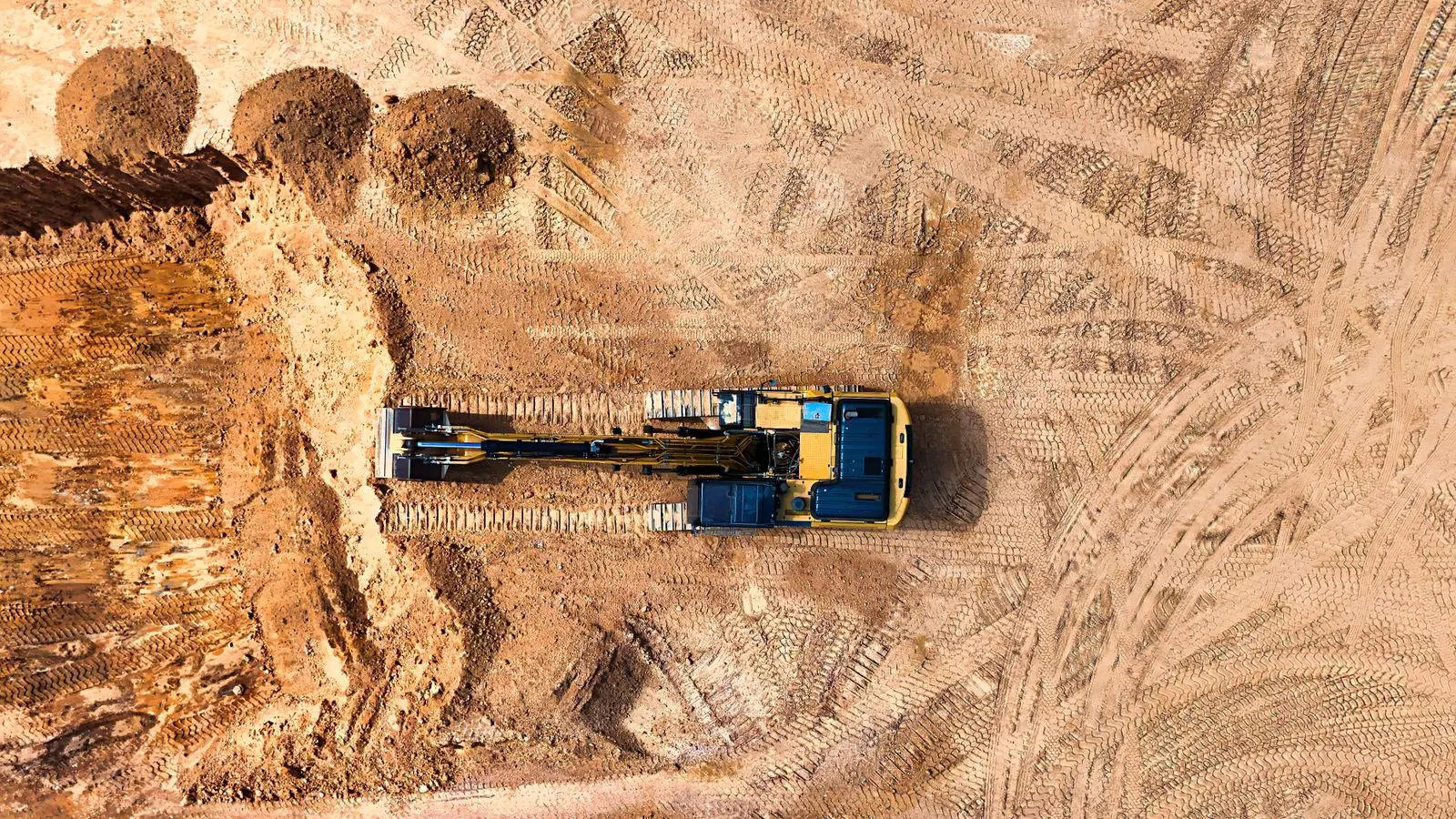
Excavators are designed for digging. The boom, arm, and bucket form a complex hydraulic assembly. This assembly moves thousands of pounds of earth with high precision. However, the complexity comes with a price. Hydraulic fluid leaks, hose bursts, and cylinder seal failures are common issues. Replacing a hydraulic hose is a labor-intensive task. The pump and motor inside the excavator are high-pressure components that require strict fluid quality to avoid premature wear.
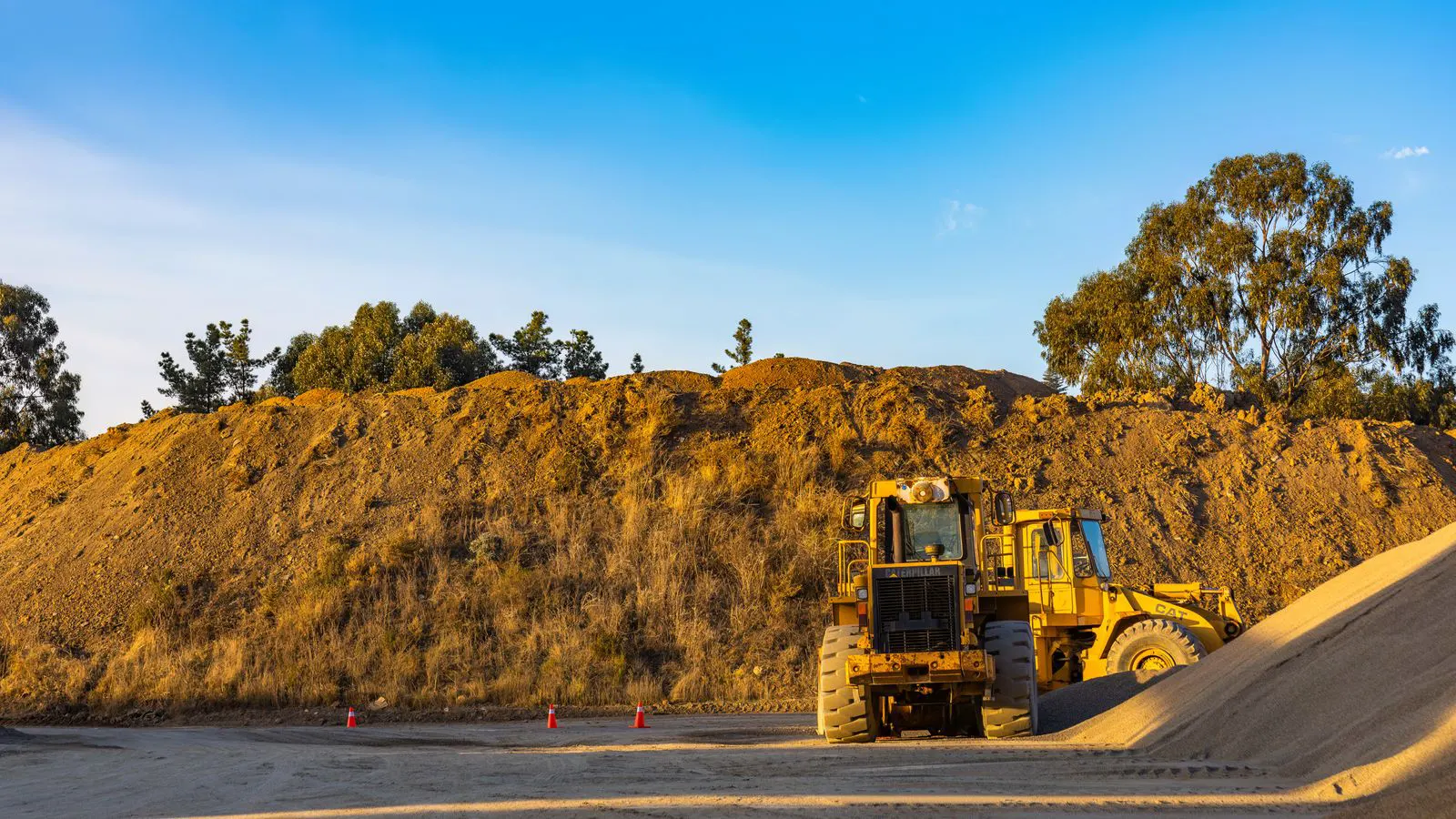
Track loaders are built for hauling and pushing. The machine has a bucket at the front and a set of tracks at the rear. The engine drives the tracks through a final drive. The bucket is lifted by a lift cylinder. This design is mechanically simpler than the excavator’s multi-joint arm. There are fewer hydraulic circuits. The maintenance tasks are often mechanical rather than hydraulic. Checking track tension, lubricating the pin and roller, and inspecting the final drive are standard routine checks.
How does fuel consumption affect the budget?
Fuel is usually the largest operating expense for earthmoving machinery. The exact consumption depends on the engine displacement, the machine’s weight, and the workload. An excavator idling at a dig site burns fuel while waiting. A track loader idling while dumping material burns fuel while the engine revs.
Excavators tend to have higher fuel consumption during active digging. The hydraulic pump is driven by the engine. When the operator swings the boom and lowers the bucket, the pump works hard. This creates a high demand for hydraulic power. The engine runs at a higher RPM to meet this demand. Track loaders use their engine power for two main tasks: moving the tracks and lifting the bucket. Hauling a load on a grade requires significant power. However, the hydraulic lift for the bucket is less demanding than the excavator’s continuous hydraulic cycling.
In practice, a track loader may consume less fuel per hour if the job involves mostly hauling and pushing. An excavator will consume more fuel if the job involves deep digging and heavy swinging. The operator’s style matters. Smooth operation reduces fuel waste. Jerky movements increase the load on the engine and the hydraulic system.
What about maintenance and parts?
Maintenance costs are where the two machines diverge significantly. Excavators have a higher parts inventory cost. The hydraulic system has many seals, hoses, and fittings. These are consumable items. A single hose burst can cost a significant amount and take hours to replace. The labor cost for hydraulic work is higher because the technician needs specialized tools and knowledge.
Track loaders have a different maintenance profile. The tracks are subject to heavy wear. The pin and roller assembly is exposed to dirt, gravel, and moisture. Regular lubrication is mandatory. If the pins are not lubricated, they will wear out quickly. This leads to expensive replacements. The tracks themselves can be replaced if they become too worn. The labor cost for track replacement is high, but the parts are standard.
The engine and transmission on both machines are similar in complexity. The main difference is in the working attachment. The excavator’s arm is a precision tool. The loader’s bucket is a work tool. Precision tools have tighter tolerances. Work tools are built for impact. The loader bucket teeth and edges take damage from rocks and hard soil. Replacing bucket teeth is cheap. Replacing a hydraulic cylinder seal is not.
How does resale value change the equation?
Resale value is the final part of the cost of ownership equation. When you sell the machine, the money you receive reduces the total cost you paid to operate it. A machine that holds its value well means the operator has a lower net cost.
Excavators are in constant demand. They are used in construction, mining, landscaping, and utilities. The market for used excavators is strong. A well-maintained excavator with low hours will command a good price. The model matters. Popular models with common parts hold value better. A rare model may be hard to sell.
Track loaders also have a strong resale market. They are versatile. They can be used for hauling, pushing, and light digging. However, the condition of the tracks is a major factor in resale. A buyer will inspect the tracks carefully. If the tracks are worn, the buyer will deduct that cost from the price. The final drive condition is also a key inspection point. If the final drive is leaking or making noise, the price will drop significantly.
When should you choose one over the other?
The decision comes down to the job. If the site requires deep trenches, rock breaking, or precise grading, an excavator is the right tool. The hydraulic arm allows for work in tight spaces. The bucket can dig below the machine’s tracks. The excavator is a specialist.
If the site requires moving large volumes of material, grading a road, or pushing debris, a track loader is the right tool. The loader can haul material from one point to another. It can push material into a pile. It can work in areas where a wheel loader would get stuck. The loader is a generalist.
The operator’s skill level also affects cost. An experienced operator can make a cheap machine efficient. A new operator may waste fuel and wear parts on both machines. The machine must match the operator’s capability.
How to calculate the total cost
To make an informed decision, you need to calculate the total cost of ownership for each machine over a specific period. A common method is to calculate the cost per operating hour. You take the annual operating costs and divide them by the total operating hours.
The annual operating costs include fuel, maintenance, parts, labor, insurance, and depreciation. Depreciation is the loss in value over time. It is a non-cash expense, but it is a real cost. You lose that value whether you use the machine or not.
By calculating the cost per hour, you can compare the two machines directly. If the excavator costs more per hour, you need to justify the higher cost with the quality of work it produces. If the track loader costs less per hour, you need to ensure it can do the job. The most cost-effective machine is the one that does the job for the lowest total cost.
Frequently asked questions
Which machine has the lower maintenance cost?
Track loaders generally have lower maintenance costs due to a simpler hydraulic system. Excavators have more complex hydraulic components that require frequent service.
How does fuel consumption differ between the two?
Excavators typically use more fuel during active digging due to high hydraulic demand. Track loaders use less fuel when hauling or pushing, but fuel use rises on steep grades.
What is the main wear item on a track loader?
The track system, specifically the pin and roller assembly, is the main wear item. It requires regular lubrication and eventual replacement.
Does the machine size affect the cost comparison?
Yes. Larger machines have higher absolute costs for fuel and parts. The ratio of maintenance to fuel may change with size and job type.
How does resale value impact the final cost?
Resale value reduces the net cost of ownership. A machine with high residual value means the operator recovers more money at the end of its life.