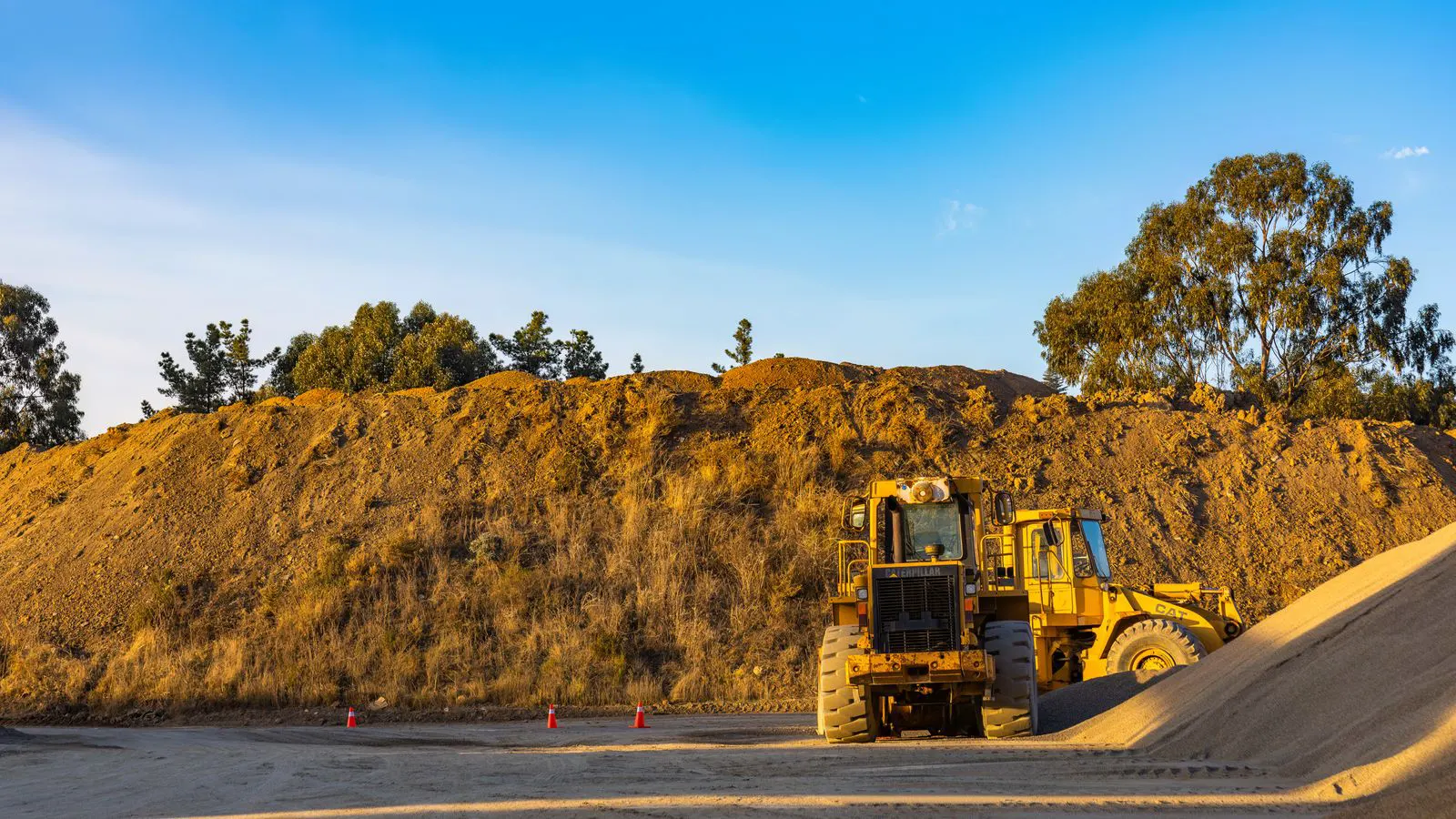
Troubleshooting High Fuel Consumption in Wheel Loaders
High fuel consumption in wheel loaders usually stems from worn air filters, low tire pressure, or inefficient operator habits. This guide maps common symptoms to specific mechanical or operational causes. It provides a troubleshooting table and prevention tips to restore loader efficiency and control maintenance costs.
- High fuel consumption often points to clogged air filters, low tire pressure, or excessive idle time.
- A structured inspection of the engine, transmission, and tires can isolate the root cause quickly.
- Regular maintenance and operator training are the most effective ways to protect loader efficiency and lower costs.
- Tracking fuel data per shift helps separate mechanical faults from operational habits.
A wheel loader that burns fuel faster than expected is a direct hit on your operating budget. The machine still moves material, but the cost per ton rises quickly.
The problem is rarely a single fault. It usually comes from a combination of mechanical wear and operator behavior. The first step is to stop guessing and start checking the system in a logical order.
This guide walks through the most common symptoms of high fuel consumption. It links each symptom to a likely cause and a specific action. The goal is to get your equipment running at its intended efficiency again.
Symptoms That Signal a Fuel Problem
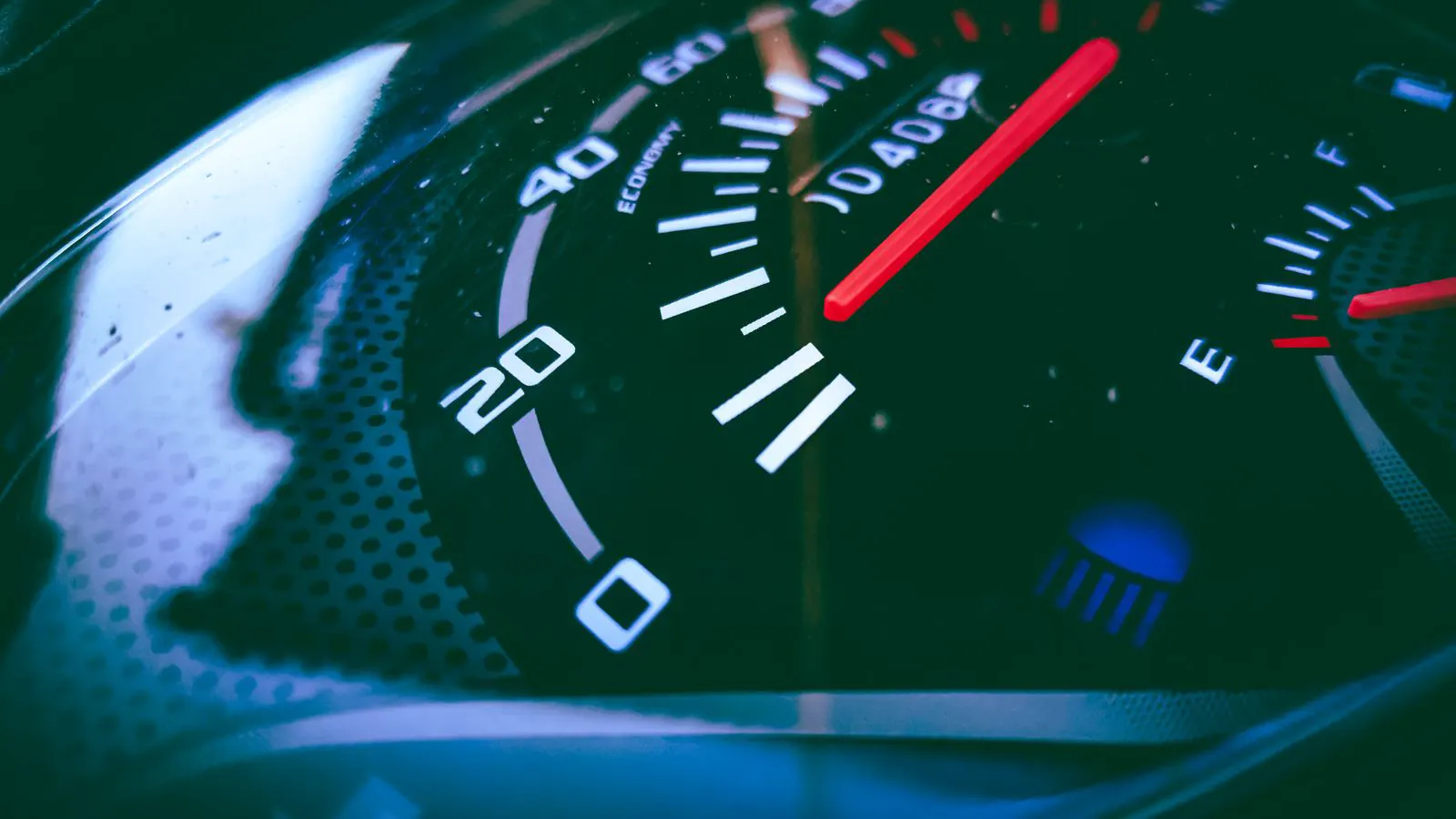
Before you open a panel, look at the data. A sudden spike in fuel use is easy to miss if you only check the tank at refill time. Start by looking at the fuel gauge trend during a single shift.
Watch for these indicators:
- The fuel gauge drops noticeably faster than usual during the same type of work.
- The engine sounds rough or labors when you accelerate from a stop.
- There is a visible blue or black exhaust smoke.
- The loader feels sluggish when climbing a slope or lifting a heavy bucket.
- The temperature gauge climbs higher than normal during a standard operating cycle.
These signs tell you the engine is working harder than it should. It is either not getting enough clean air, not burning fuel correctly, or fighting against mechanical resistance.
The Troubleshooting Table
This table connects the field symptoms to the likely mechanical or operational causes. Use it as a checklist. Check the items in order, starting with the simplest and most common causes.
| Symptom | Likely cause | What to do |
|---|---|---|
| Fuel drops fast, engine sounds rough, low power | Clogged air filter or dirty fuel filter | Inspect the air filter element. Check for oil mist. Replace the fuel filter if the fuel lines show dark residue. |
| Sluggish acceleration, black exhaust smoke | Worn fuel injectors or low compression | Perform a compression test. Check injector spray patterns. Look for fuel leaks at the injectors. |
| High fuel use, engine overheats | Low engine oil level or degraded oil | Check the oil dipstick. Top up with the correct grade. Replace the oil and filter if the oil is dark or gritty. |
| Loader feels heavy, tire pressure low | Under-inflated tires or worn tires | Check tire pressure with a gauge when cold. Rotate or replace tires if the sidewalls are worn or cracked. |
| Fuel use rises during idle or low load | Excessive idle time or stuck throttle | Review operator habits. Check the throttle cable or electronic sensor for sticking. Inspect the idle speed control. |
Air and Fuel System Checks
The engine breathes and burns. If either process is dirty, it wastes energy.
Start with the air intake. A restricted air filter forces the engine to work harder to pull in the same volume of air. This unbalances the air-to-fuel ratio. The engine compensates by injecting more fuel than it can burn.
Check the air filter housing for cracks. A cracked housing can pull in unfiltered dust. The dust then gets into the engine. It wears the piston rings. It also clogs the filters faster.
Next, check the fuel system. A dirty fuel filter restricts flow. The engine starves for fuel. It tries to make up the difference by holding the throttle open longer. This increases consumption without increasing output.
If you have a diesel engine, check the fuel injectors. Worn injectors leak fuel back into the engine when it should not. They also spray in a pattern that does not atomize the fuel properly. The result is incomplete combustion. You get black smoke and higher fuel use.
Do not ignore the fuel lines. Small leaks in the return line can cause air to be drawn into the fuel system. Air in the fuel line causes rough running and poor combustion.
Tires and Drivetrain Resistance
The loader is a heavy machine. The tires are the only part touching the ground. If the tires are not doing their job, the engine burns more fuel to move the same weight.
Check the tire pressure. Under-inflated tires increase rolling resistance. The tires flatten more than they should. The engine works harder to push the machine forward.
Check the tire condition. Worn or cracked tires lose grip. The wheels slip. The engine revs but the loader moves slower. Every slip is wasted fuel.
Look at the drivetrain. A worn transmission or a slipping clutch can cause power loss. If the machine shifts harshly or slips under load, the engine works harder to maintain speed.
Check the wheel bearings. A seized bearing creates friction. The wheel heats up. The engine has to push against that friction. It consumes more fuel to maintain the same speed.
Operator Habits and Work Practices
Mechanical faults are not the only cause. Operator behavior has a direct impact on fuel use.
Watch for excessive idling. If the engine idles for long periods while the operator waits for a truck, the fuel tank drains. The engine warms up but does no work.
Check the throttle usage. A full-throttle habit wastes fuel. The engine produces more power than the job requires. The excess energy becomes heat.
Look at the bucket technique. Dumping from a height wastes energy. The loader uses more fuel to lift the bucket and then dump it. Dumping from a lower height or using a bucket brake can reduce this energy use.
Train operators to use the machine as designed. A skilled operator shifts smoothly, avoids unnecessary stops, and keeps the engine in the right RPM band.
Monitoring and Prevention
Once the problem is fixed, you need to make sure it does not return. Set up a simple monitoring system.
Record the fuel consumption for each shift. Compare it against the baseline you had before the problem. If the number climbs, you have a new issue.
Create a maintenance schedule. Change the air filter, fuel filter, and oil at set intervals. Do not wait for the warning lights.
Inspect the tires daily. Check the pressure and the tread. A quick visual check takes five minutes. It prevents a major problem later.
Review the operator data. If possible, use the machine’s onboard computer to track idle time and throttle position. Compare the data for different operators.
Keep a log of repairs. If a part fails again, you know the root cause was not fixed the first time.
Cost Impact on Maintenance and Budget
High fuel consumption is not just a fuel cost. It affects your total maintenance costs.
A machine that burns more fuel is often running outside its design parameters. This puts extra stress on the engine and the drivetrain. Parts wear faster. Repairs happen more often.
The cost of a new air filter is low. The cost of a rebuilt engine is high. The difference is in the routine checks.
Track the fuel data against the maintenance log. When a part is replaced, check the fuel consumption after the repair. If the number does not drop, the repair did not solve the root cause.
This data helps you budget. You can predict your fuel spend and your maintenance spend. You can plan for the next major service. You can compare the cost of different machines.
When to Call a Technician
Some issues are not safe to diagnose in the field. If the engine is smoking heavily, or if the hydraulic system is leaking, stop the machine.
A fuel system leak is a fire risk. Do not drive the machine if you smell fuel.
If the transmission is slipping, do not force the machine to work. Slipping causes heat. Heat damages the clutch plates.
Call a qualified technician for:
- Injector replacement or calibration.
- Transmission service or clutch replacement.
- Engine compression repair.
- Electrical sensor diagnosis.
A professional can find the fault faster. They have the tools to test the system under load. They can source the correct parts.
Final Checks Before You Start
Before you start the machine for the day, run this quick check.
- Check the fuel level. Note the level in your log.
- Check the engine oil level. Top up if needed.
- Check the tire pressure. Look for obvious damage.
- Listen to the engine on startup. Note any unusual sounds.
- Check the air filter housing for cracks.
This takes two minutes. It catches the small problems before they become big ones.
A wheel loader is a workhorse. It is designed to run for years. If you keep it clean and maintained, it will run efficiently. If you ignore the warnings, it will burn fuel and cost you money.
The most expensive mistake is waiting. Fix the problem early. Protect your loader efficiency. Keep your maintenance costs under control.
Frequently asked questions
What is the most common cause of high fuel consumption in a wheel loader?
Clogged air filters and low tire pressure are the two most common causes. They are easy to check and cheap to fix.
Can operator habits cause a wheel loader to use more fuel?
Yes. Excessive idling, full-throttle habits, and high dump heights all increase fuel use. Training operators is a direct way to cut costs.
How often should I check the air filter on a wheel loader?
Check it weekly. Replace it based on the operating environment. If the machine works in dusty conditions, check it more often.
What should I do if I see black exhaust smoke?
Stop the machine. Black smoke usually means the engine is not burning fuel properly. Check the air filter and the fuel injectors.
Is it worth tracking fuel consumption by shift?
Yes. It gives you a baseline. When the number changes, you know something is wrong. It helps you find the problem before it grows.