How to Calculate Machinery Depreciation for Budgeting
You estimate machinery depreciation by choosing a method based on usage and market data, then applying it to your asset value. This process supports accurate budget planning and asset valuation decisions for major equipment purchases.
- Select a depreciation method that matches how you actually use the equipment, such as straight line or units of production.
- Track operating hours and maintenance costs to validate your depreciation figures against real asset value.
- Adjust your budget for market fluctuations and local demand to avoid overestimating residual asset value.
Start With a Clear Baseline
Accurate machinery depreciation begins with a documented purchase price and a realistic estimate of useful life. Most equipment buyers record the total cost, including delivery, installation, and required attachments. If you bought a second-hand unit, use the purchase price rather than the original manufacturer price. Do not include financing charges, sales tax, or internal transfer fees in the base asset value unless your accounting policy requires capitalizing those specific costs. A clear baseline prevents disputes later when comparing book value against market reality.
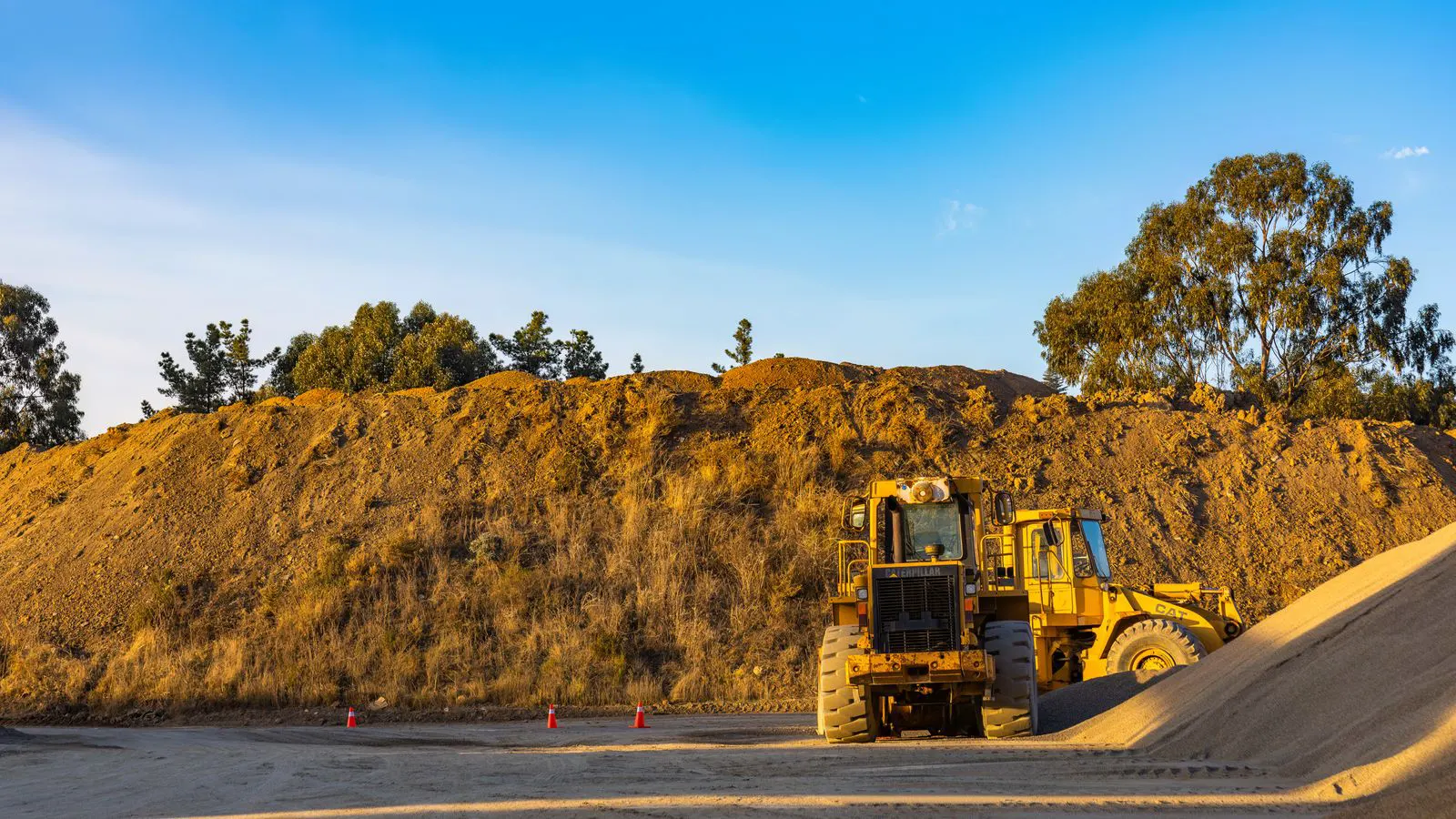
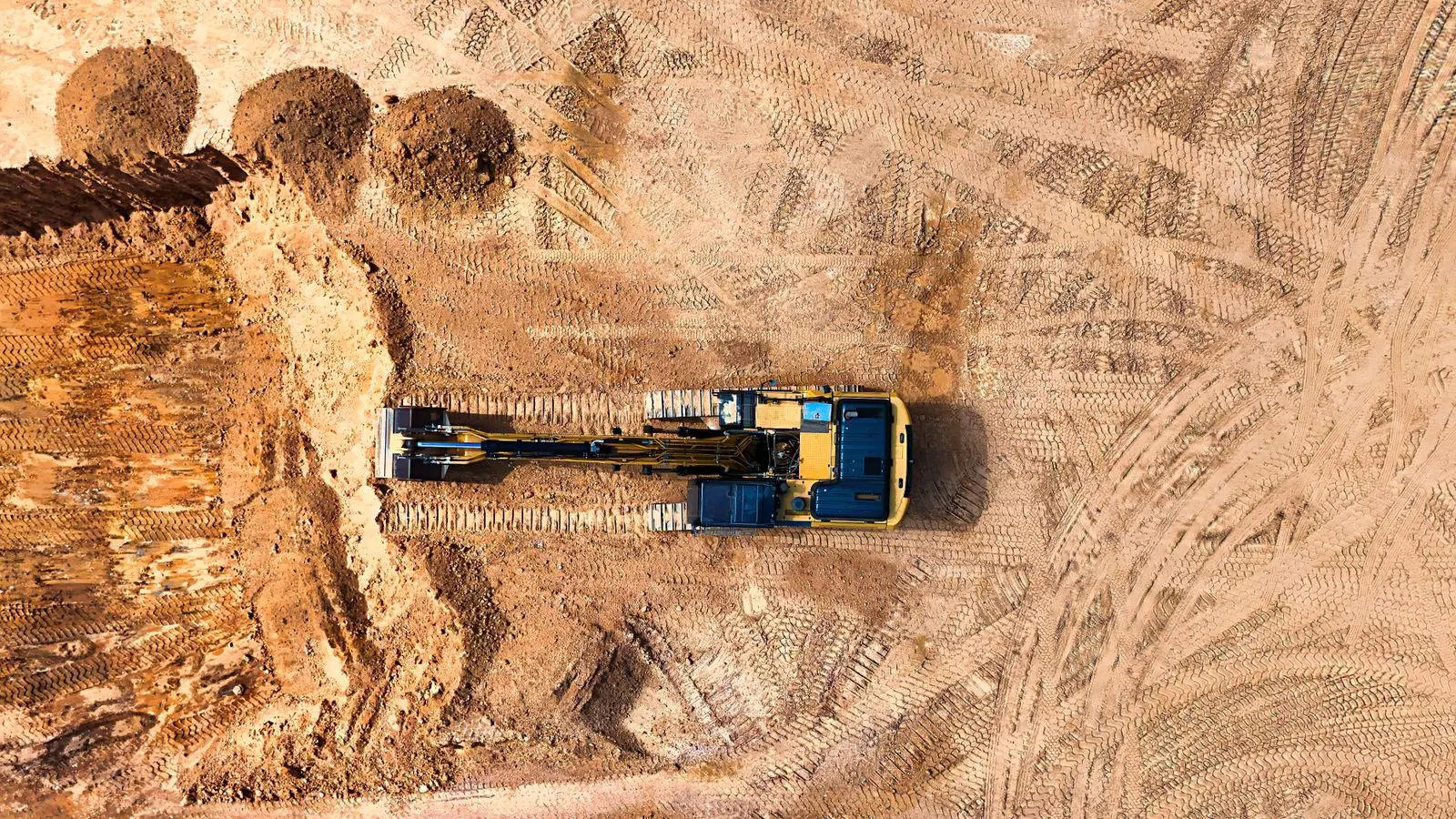
Your useful life estimate depends on the machine type and your work schedule. A compact excavator working in residential landscaping may last longer than a large crawler excavator used in heavy civil earthmoving. Define this life in years or total operating hours. For budget planning, most operators use a mix of calendar time and engine hours. Consider the duty cycle. A wheel loader that runs two shifts daily in an aggregate plant will reach its structural fatigue limits much faster than a telehandler used once a week on a small site. If you cannot find a specific standard for your machine type, look at the service life of major components like the engine block, hydraulic pump, and undercarriage. The machine is usually only as good as its most expensive component.
Gather your purchase invoice, warranty terms, and any financing agreements. These documents form the base for your asset valuation. Without them, your depreciation calculation will rely on guesses rather than records. Keep digital copies of the serial number, the final configuration sheet, and any modification orders. If you modified the machine after purchase, such as adding a different bucket or a higher lift mast, record the cost separately. Those modifications may have a shorter useful life than the base machine, requiring a different depreciation schedule.
Choose the Right Depreciation Method
No single method fits every machine. The right choice depends on how you operate the equipment and what you need from your budget.
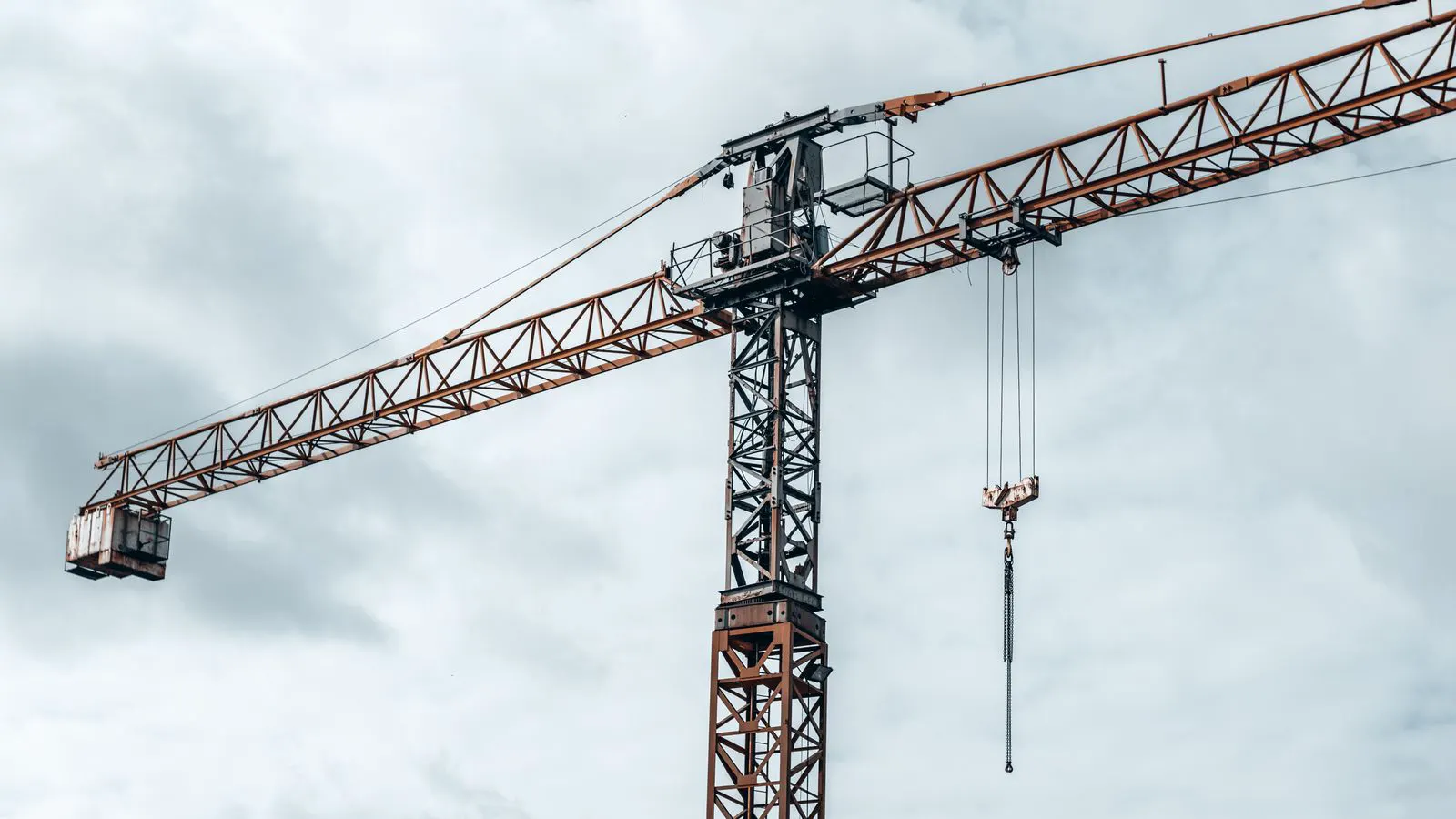
Straight line depreciation divides the asset value by its useful life. It is simple and predictable. Use it when the machine runs steadily year after year, such as a stationary crane or a wheel loader in a long term material handling role. This method works well for assets that do not have distinct high or low usage periods. It spreads the cost evenly across the budget period, which simplifies financial reporting.
Units of production depreciation ties value loss to actual use. You divide the asset value by the total expected operating hours and apply that rate to each hour logged. This method works well for machines that sit idle during off seasons or run at variable intensity. It aligns the expense with the revenue generated by the machine. If a machine only runs for three months a year, this method captures that reality better than a fixed annual charge.
Declining balance depreciation applies a fixed percentage to the remaining book value each period. It reflects higher early wear and maintenance costs. Use it for high intensity machines that lose value quickly in the first few years of service. This method front-loads the expense. It is useful for tax planning or when you want to reflect the rapid loss of market value that often occurs in the first few years of a machine’s life.
| Method | Best For | Calculation Basis | Budget Impact |
|---|---|---|---|
| Straight Line | Steady year round use | Calendar years | Predictable annual charge |
| Units of Production | Variable or seasonal work | Operating hours | Matches actual usage |
| Declining Balance | High wear early service | Remaining book value | Higher early budget charges |
| Market Residual | Active resale market | Estimated resale value | Reflects current market conditions |
Build Your Annual Budget Line
Once you have your method, calculate the annual depreciation amount. For straight line, subtract the expected residual value from the purchase price, then divide by the useful life. For units of production, multiply the per hour rate by the hours you plan to run the machine in the budget year. Ensure your hour estimates are conservative. Overestimating hours leads to underestimating the hourly depreciation rate if the machine runs fewer hours than planned, or overestimating it if it runs more.
Add this figure to your project budget as a non cash expense. It does not represent money leaving the account each month. It represents the loss of asset value over time. This distinction matters for cash flow planning. A project can be profitable on an accrual basis but still face cash shortfalls if you confuse depreciation with actual cash outlays.
Create a separate line item for operating costs. Depreciation does not cover fuel, maintenance, tires, or operator wages. Keep these distinct so you can see the true cost of ownership. If you are comparing rental versus purchase options, include both depreciation and operating costs in the same analysis. Rental rates often bundle maintenance and insurance, while purchase requires you to manage those variables yourself. A direct comparison requires normalizing these costs so you are comparing like with like.
Factor in Market Conditions
Asset valuation shifts when market demand changes. A machine that held value well five years ago may depreciate faster today if new models are available or if local demand has cooled. Check recent sale prices for similar equipment in your region. Do not rely solely on the manufacturer’s suggested retail price. That figure reflects what the company wants to charge, not what the market will bear.
Talk to dealers or brokers who track local inventory. Ask what a comparable machine in similar condition would sell for now. Use that figure as your residual value estimate. If the market is strong, your residual value may be higher than the machine’s book value. If the market is soft, you may need to write down the asset sooner. Consider the age of the machine. Older models with outdated emissions standards or safety features often lose value faster than newer models. Also consider the availability of parts. If a model is being discontinued, the residual value may drop sharply as the market shifts to the successor model.
This step prevents budget surprises. Many operators assume their equipment will hold a fixed percentage of value. In reality, the market decides that percentage. Track local market trends quarterly. If you see a sudden drop in demand for a specific machine type, adjust your residual value estimate immediately.
Adjust for Maintenance and Wear
Depreciation is not just about the machine’s metal. It includes the cost of keeping it in working order. A machine that needs frequent hydraulic repairs or has a history of component failures will lose value faster than a well maintained unit. A machine with a documented history of overloads or improper use will also depreciate faster.
Review your maintenance logs. Look for recurring issues such as seal failures, track replacement cycles, or engine overhauls. If a specific component has a known replacement interval, factor that cost into your depreciation estimate. For example, if a hydraulic system requires major service every 1,000 hours, include that cost in your per hour rate. If the machine operates in a dusty or abrasive environment, expect more frequent filter changes and seal wear. Adjust your useful life estimate downward to reflect these harsher conditions.
This adjustment makes your asset valuation more realistic. It moves the figure from a theoretical number to a practical one based on how the machine actually performs in your operation. A machine that is always in the shop for repairs has a shorter effective life and a higher cost of ownership than an equivalent machine that stays in service.
Verify Against Cash Flow and Resale Plans
Before finalizing your budget, test your depreciation figure against your actual cash flow. If you are financing the machine, your loan payments may differ from your depreciation charge. Reconcile these two figures in your financial model. The difference between loan payments and depreciation is the interest component. Ignoring this distinction can lead to inaccurate cash flow projections.
Now look at your resale plan. Do you intend to sell the machine at the end of its budget period? If so, estimate the sale price based on current market data. Compare that figure to your calculated residual value. If the market price is lower, you need to increase your annual depreciation to cover the gap. If you plan to keep the machine longer, extend the useful life estimate. If you plan to sell earlier, shorten it.
This verification step catches errors early. It ensures your budget reflects the true economic reality of the asset. If your budget assumes a high residual value but the market is soft, you will face a write-down when you sell.
Common Mistakes to Avoid
The most frequent error is using a fixed rate without checking the market. Operators often apply a standard percentage to all machines, regardless of type or condition. This leads to inaccurate asset valuation. A standard rate may work for a new machine, but it fails for used equipment with unknown history.
Another mistake is ignoring operating hours. A machine that runs 3,000 hours a year will wear out differently than one that runs 1,000 hours. If you use straight line depreciation for a high use machine, you will understate the value loss in the early years. Always cross-reference your calendar year estimate with your hour estimate. If they do not align, choose the method that matches your actual usage pattern.
Do not forget to update your records. If you extend the useful life of a machine or improve its condition through major refurbishment, adjust your depreciation schedule accordingly. Stale data leads to poor budget planning. Keep a log of major repairs, upgrades, and downtime. This information helps you refine your useful life and residual value estimates.
Finally, avoid mixing depreciation with operating costs. If you combine them in one line item, you lose the ability to track the true cost of ownership. Keep them separate in your financial statements. This separation allows you to analyze the efficiency of the machine and the accuracy of your depreciation calculations independently.
Final Verification Step
Run a final check on your complete budget. Confirm that your depreciation figures align with your operating hours, market data, and maintenance history. If you are using units of production, verify that your hour estimates match your project schedule. Ensure that your residual value is based on recent comparable sales, not on outdated assumptions.
Review your asset valuation one last time. Ask whether the residual value is realistic based on current market conditions. If your budget shows a machine retaining high value after five years, but local dealers quote lower prices, adjust your numbers. A conservative residual value is better than an optimistic one that leads to budget shortfalls.
This last review ensures your machinery depreciation calculation is grounded in facts rather than assumptions. It gives you a reliable foundation for project budgets and long term equipment planning.
Frequently asked questions
Do I need to account for inflation when calculating machinery depreciation?
Yes, inflation affects both the purchase price and the potential resale value of your equipment. Adjust your residual value estimate to reflect current market conditions rather than relying on historical prices.
Can I use a different depreciation method for different machines in my fleet?
Yes. Matching the method to the machine's usage pattern improves accuracy. A high use excavator may work best with units of production while a steady crane may use straight line depreciation.
How often should I review my depreciation estimates?
Review them at least once a year or after any major market shift. Regular checks keep your asset valuation aligned with current conditions and prevent budget drift.
What if my machine’s condition is better than expected?
You may need to adjust your residual value upward. Better condition can increase resale value, which should reduce the amount of value you allocate as annual depreciation.
Is depreciation a cash outflow I need to budget for?
No. Depreciation is a non cash expense that reflects value loss. Cash outflows come from loan payments, maintenance, and operating costs, which you should budget separately.