Importing Wheel Loaders: Lead Times and Cost Factors
Importing wheel loaders involves significant lead times and variable costs. This guide explains what drives price and delivery schedules, how to structure a request for quotation, and how to compare international bids fairly to avoid hidden expenses.
- Total landed cost includes the machine price, shipping, insurance, duties, and port handling.
- Lead times depend on production capacity, shipping route, and regulatory clearance.
- A clear RFQ reduces the risk of receiving quotes that do not match your site requirements.
- Always request a breakdown of costs to compare bids from different regions fairly.
- Factor in after-sales support and spare parts availability when evaluating international manufacturers.
Why Importing Wheel Loaders Can Save Money
Sourcing wheel loaders from overseas markets is a common strategy for contractors looking to reduce capital expenditure. While local dealers often offer convenient financing and immediate delivery, manufacturers in other regions frequently produce similar machines at lower base prices. However, the savings on the purchase price are not the whole story.
The total cost of ownership for an imported machine includes much more than the invoice price. You must account for ocean freight, marine cargo insurance, customs duties, port handling fees, and potential compliance costs. For many buyers, the initial savings can be eroded by these additional expenses.
Understanding these variables is essential before committing to a foreign purchase. A machine that looks cheap in one currency may become expensive once all import-related costs are added. This article breaks down the financial and logistical factors that influence both the price and the delivery timeline for importing wheel loaders.
Key Cost Drivers in the Importing Process
The cost of importing wheel loaders is determined by several distinct factors. The machine’s configuration is the primary variable. A base model with standard tires and a basic cab will cost significantly less than a unit equipped with air suspension, a heated and air-conditioned cab, or specialized attachments.
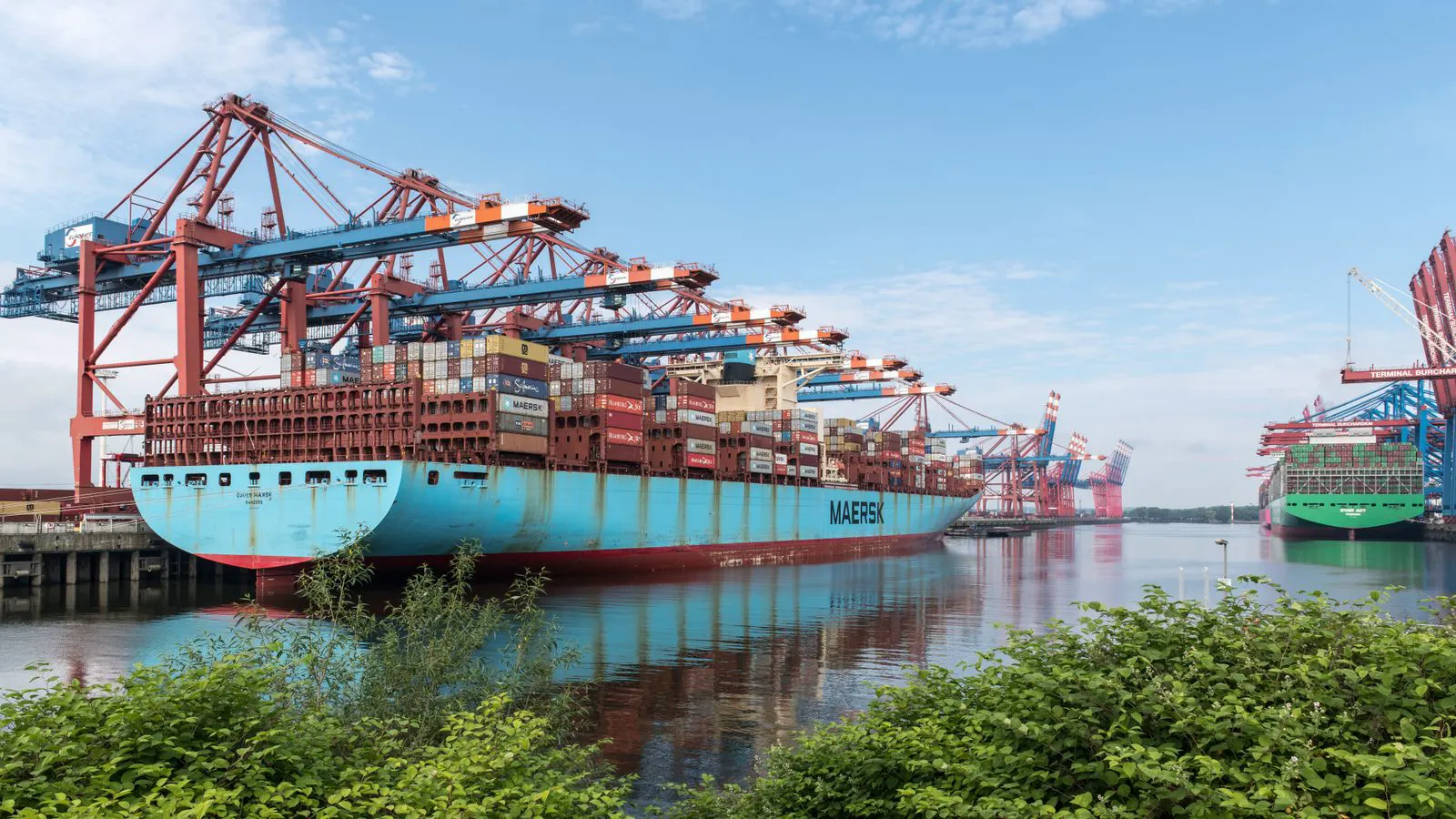
Shipping costs are another major component. The distance from the manufacturing plant to the destination port heavily influences freight rates. Shipping a loader from East Asia to Western Europe involves a different cost structure than shipping from the United States to South America. The mode of transport also matters. Container shipping is common for smaller wheel loaders, while larger units often require roll-on/roll-off (Ro-Ro) vessels or flat containers.
Customs duties and taxes vary by country. The Harmonized System (HS) code for wheel loaders determines the tariff rate applied to the machine. Some countries offer reduced duty rates for certain agricultural or construction equipment, while others impose high tariffs on heavy machinery. Importers must calculate these duties based on the customs value, which often includes the machine price plus shipping and insurance.
Lead Time: From Order to Delivery
Lead time refers to the total duration between placing a purchase order and the machine being ready for operation at your site. This timeline is typically longer than the delivery time offered by domestic dealers.
Production lead times are the first phase. Manufacturers may have backlogs, especially for popular models or specific configurations. If you order a standard machine, it may be ready in weeks. If you request custom colors, specific hydraulic systems, or non-standard tire sizes, production can take several months.
Shipping and transit are the second phase. Ocean freight schedules are fixed. You cannot choose to ship the machine on a specific day; you must wait for the next available vessel. Transit times range from two weeks for short routes to over a month for long-haul journeys.
Customs clearance and final delivery are the final phases. After the ship arrives, the container must be cleared by customs. This process involves documentation checks and duty payments. Delays here can add days or even weeks to the total lead time. Finally, the machine must be transported from the port to your job site, which depends on local logistics.
How to Write a Clear RFQ
A Request for Quotation (RFQ) is the foundation of a successful import negotiation. A vague RFQ leads to vague quotes, making it difficult to compare bids. To get accurate pricing and lead times, your RFQ must be specific.
Start by listing the exact model or a close equivalent. Include the engine power, operating weight, and capacity. Specify the tire size and type, such as standard or super high pressure (SHP) tires. Detail the cab configuration, including whether it has air suspension, heating, and air conditioning.
State the destination port clearly. This allows the supplier to calculate accurate shipping costs. Indicate whether you require the machine to be delivered Incoterms DAP (Delivered at Place) or FOB (Free on Board). DAP means the supplier handles all shipping and insurance, while FOB means you arrange the freight after the machine leaves the factory.
Include a timeline. Specify your required delivery date. This forces the supplier to confirm if they can meet your schedule or if you should adjust your expectations.
How to Compare Quotes Fairly
Receiving quotes from different countries or suppliers can be confusing. To compare them fairly, you must standardize the terms. Look for a breakdown of the total landed cost.
Ask each supplier to itemize the costs: machine price, shipping, insurance, and any optional packages. If one quote includes marine cargo insurance and another does not, adjust the figures to match. If one quote is FOB and another is DAP, convert the FOB price to DAP using current freight rates to make a true comparison.
Also compare the inclusions. Does the price include a full load test? Does it include a set of spare filters? Does the supplier offer a warranty extension for the first year? These inclusions can significantly impact the total cost and the ease of maintenance.
Planning for Regulatory and Compliance Costs
Importing construction machinery into your country may require specific certifications or modifications. Some jurisdictions require emissions standards to be met, such as Tier 4 or equivalent. If the machine does not meet these standards, it may be impossible to register it for work.
Electrical systems must also comply with local regulations. The voltage and frequency of the engine’s electrical components must match the local grid if the machine will be plugged into shore power. The steering and braking systems may need to be inspected by local authorities.
Budget for these potential costs. If a machine requires re-certification or minor modifications, these can add to the total expense. It is safer to source a machine that already complies with your local regulations than to import a non-compliant unit and deal with the paperwork later.
After-Sales Support and Spare Parts
One of the biggest risks of importing wheel loaders is the availability of spare parts and technical support. Domestic dealers have local warehouses and service technicians. International suppliers may have a global network, but local stock might be limited.
Before buying, ask the supplier about their spare parts strategy. Do they have a local distributor? How long does it take to ship a critical part like a hydraulic pump or a hydraulic hose? What is their warranty policy, and who handles the claim?
A machine that is cheap to buy but expensive to maintain is not a good investment. Factor in the cost of spare parts and the potential downtime if a part is unavailable. This is often the most overlooked aspect of the importing wheel loaders process.
Summary of Cost Drivers
The table below summarizes the primary cost drivers when importing wheel loaders.
| Cost Driver | Description |
|---|---|
| Machine Price | Base cost, influenced by configuration and engine type. |
| Shipping | Ocean freight costs based on distance and vessel type. |
| Insurance | Marine cargo insurance to cover loss or damage in transit. |
| Customs Duties | Tariffs applied by the importing country based on HS codes. |
| Port Fees | Handling, demurrage, and storage fees at the destination port. |
| Compliance | Costs for emissions testing, electrical conversion, or registration. |
Final Thoughts
Importing wheel loaders can be a cost-effective strategy if managed carefully. The key is to understand the full scope of costs and lead times. By writing a precise RFQ, comparing quotes on a total landed cost basis, and planning for compliance and after-sales support, you can make a well-informed decision.
Do not let the initial price be the only factor. A slightly more expensive machine with a reliable local support network may offer better value over its lifespan. Always verify the manufacturer’s reputation and check references from other buyers in your region.
Frequently asked questions
How long does it typically take to import a wheel loader?
The total lead time usually ranges from three to six months. This includes production, ocean transit, customs clearance, and delivery to the site.
Can I get a quote that includes shipping and duties?
Yes, you should request a DAP (Delivered at Place) quote. This forces the supplier to include all costs up to your location, making it easier to compare with other bids.
What is the biggest hidden cost when importing machinery?
Spare parts availability and warranty support are often the biggest hidden costs. If a part takes three months to arrive from the home country, the machine downtime can be expensive.
Do I need a local agent to import a wheel loader?
It is not always required, but a local customs broker or agent can help navigate regulations and speed up clearance. This is especially important if you are new to importing heavy equipment.
Is it better to buy FOB or DAP?
DAP is often better for first-time importers because the supplier manages the logistics. FOB gives you more control but requires you to arrange freight and insurance, which can be complex.